
There’s a strong case for using heavy-duty nitrile gloves, especially if your work involves handling harsh chemicals, sharp objects, or bacteria-prone materials. These gloves not only provide superior protection against punctures and tears, but they also offer excellent grip and dexterity. In this post, we will explore the specific scenarios where Diamond Grip 9.0G gloves are invaluable, ensuring your safety and comfort during demanding tasks.
Key Takeaways:
- Heavy duty nitrile gloves, such as Diamond Grip 9.0G, are ideal for tasks requiring high resistance to punctures and chemicals.
- These gloves provide superior grip and dexterity, making them suitable for both industrial and medical applications.
- They are latex-free, reducing the risk of allergic reactions, and are suitable for users with latex sensitivities.
 Understanding Heavy Duty Nitrile Gloves
 Understanding Heavy Duty Nitrile Gloves
Heavy duty nitrile gloves are designed to offer superior protection and durability in demanding environments. These gloves, thicker and more resilient than standard nitrile options, provide an effective barrier against chemicals, punctures, and abrasions while maintaining flexibility for hand movements. They are ideal for professionals in industries such as healthcare, automotive, and food processing, where safety and hygiene are paramount.
What are Nitrile Gloves?
Nitrile gloves are made from synthetic rubber, specifically a copolymer of acrylonitrile and butadiene. Unlike latex gloves, they are latex-free, making them a suitable alternative for individuals with latex allergies. Nitrile gloves are highly resistant to a range of chemicals and provide a comfortable fit, making them popular for various applications.
Advantages of Heavy Duty Nitrile Gloves
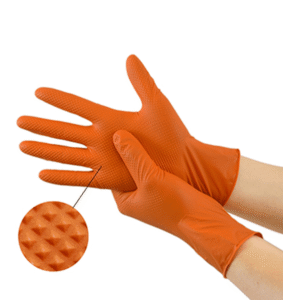
Heavy duty nitrile gloves offer numerous advantages, including enhanced durability, chemical resistance, and reduced risk of allergic reactions. Their thickness provides increased protection, making them suitable for tasks that require handling hazardous materials or working in high-risk environments. Additionally, they often feature textured surfaces for improved grip, ensuring you maintain control while performing intricate tasks.
These gloves also excel in temperature resistance, making them effective for use in both hot and cold conditions. For instance, when working with hot chemicals or handling sharp tools, the thicker material significantly reduces the risk of exposure and injuries. Moreover, many heavy duty nitrile gloves, like the Diamond Grip 9.0G, are designed to be ergonomic, thus enhancing comfort during extended wear, which is necessary for maintaining productivity in demanding tasks. Their versatility across multiple sectors—from medical to industrial—underscores their necessity in your safety gear arsenal.
Applications of Diamond Grip 9.0G Gloves
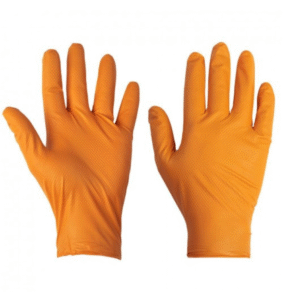
Diamond Grip 0G gloves are highly versatile, suitable for various demanding tasks across different sectors. Their robust construction offers exceptional hand protection while maintaining dexterity, making them ideal for industrial applications, healthcare settings, and even food handling. Users appreciate their textured surface, which enhances grip and control, ensuring safety and efficiency in every task.
Industrial Use
In industrial environments, Diamond Grip 9.0G gloves excel in providing barrier protection against chemicals, abrasives, and sharp objects. Whether you’re handling heavy machinery or performing maintenance tasks, these gloves deliver the durability needed to withstand tough conditions while allowing for tactile sensitivity.
Medical and Healthcare Use
 Medical and Healthcare Use
For medical professionals, Diamond Grip 9.0G gloves are quickly becoming a staple due to their reliability in various healthcare applications. They offer the necessary protection against pathogens while ensuring that you retain the sensitivity required for delicate procedures.
In healthcare settings, the Diamond Grip 9.0G gloves are specifically designed to meet stringent safety standards while allowing for comfortable wear during long shifts. Their latex-free formulation reduces the risk of allergic reactions, making them suitable for both staff and patients. The textured surface ensures secure handling of instruments and materials, enhancing precision during examinations or procedures. With a compliance rate that meets industry regulations, these gloves are an excellent choice for any healthcare professional, ensuring your hands remain protected without compromising on functionality.
Comparing Diamond Grip 9.0G to Other Gloves
| Feature | Diamond Grip 9.0G |
|---|---|
| Material | Nitrile |
| Thickness | 0.5mm |
| Grip Type | Diamond Textured |
| Usage Duration | Single Use |
| Applications | Wide Range |
Durability and Resistance
When assessing durability, Diamond Grip 9.0G gloves excel with their robust nitrile composition, offering exceptional puncture and chemical resistance. Unlike standard latex or vinyl alternatives, these gloves withstand the rigours of demanding tasks, ensuring minimal wear over extended periods. This attribute makes them ideal for industries where reliability is non-negotiable, such as healthcare and auto mechanics.
Comfort and Fit
The comfort of Diamond Grip 9.0G gloves is noteworthy, designed to provide a snug fit without compromising dexterity. This balance allows you to perform intricate tasks without the gloves becoming cumbersome. Their lightweight construction means you can wear them for prolonged periods without discomfort, reducing hand fatigue significantly.
The ergonomic design of Diamond Grip 9.0G gloves ensures that they conform to your hand shape, allowing for natural movement. This attention to fit enhances your ability to manipulate tools or materials with precision. Additionally, the soft nitrile material adds to the overall comfort, making them preferable for long shifts where comfort and ease of movement are paramount.
Choosing the Right Size and Fit
 Choosing the Right Size and Fit
Selecting the correct size and fit of heavy-duty nitrile gloves is necessary for optimal performance and safety. A proper fit ensures that your hands are protected while allowing for dexterity, comfort, and ease of movement. This section will guide you through the necessary steps to find gloves that suit your needs effectively.
Measuring for the Right Size
To determine your glove size, measure the circumference of your dominant hand just below the knuckles using a tape measure. This measurement in inches corresponds to your glove size; for instance, a circumference of 7-8 inches usually indicates a size medium. Ensuring accurate measurement will help you select a glove that fits snugly without being restrictive.
Importance of Proper Fit
A proper fit enhances not only comfort but also effectiveness in protection. Gloves that are too tight can restrict circulation and lead to hand fatigue, while those that are too loose may slip, compromising your safety and grip on tools or materials.
For instance, in sectors like automotive repair or chemical handling, inadequate glove fit can lead to slips and spills, increasing the risk of exposure to harmful substances. A tailored fit allows for better control, ensuring you can perform tasks efficiently without the distraction of shifting or bunching gloves. Investing time in selecting the right size pays off in safety and productivity, making it a vital consideration in your glove choice.
Care and Maintenance of Nitrile Gloves
Proper care and maintenance of nitrile gloves extend their usability and ensure optimal protection. Regular inspection for tears, punctures, or degradation is advisable before each use. Cleaning with a mild soap and water solution can remove contaminants, but avoid harsh chemicals that may compromise the material. Additionally, do not reuse single-use gloves, as this can lead to cross-contamination and reduced effectiveness.
Storage Recommendations
 Storage Recommendations
Store nitrile gloves in a cool, dry environment away from direct sunlight and extreme temperatures. This helps to prevent the breakdown of the material and preserves their elasticity. Keep them in their original packaging or a clean, well-ventilated container to avoid exposure to any harmful chemicals that may degrade the gloves over time.
Disposal Guidelines
Disposing of nitrile gloves should be done in accordance with local regulations. Used gloves, especially those exposed to hazardous substances, should be placed in designated waste containers to prevent contamination. Always check your local waste management guidelines to ensure proper disposal practices are followed.
For proper disposal, ensure that you seal used gloves in a bag to avoid any contact with skin or surfaces. If gloves are contaminated with hazardous materials, refer to the specific regulations for hazardous waste disposal in your area. Observing these guidelines protects both you and the environment, ensuring that waste is managed responsibly and safely.
Frequently Asked Questions
How to tell if gloves are heavy duty?
To determine if gloves are heavy duty, examine the thickness and material properties. Heavy-duty nitrile gloves typically have a thickness of 8 mils or more and are designed for increased puncture resistance and chemical protection. Additionally, look for extra features like textured surfaces for better grip, which can indicate higher-quality construction and suitability for demanding tasks.
Can you reuse nitrile gloves?
Yes, nitrile gloves can be reused in certain situations, provided they are not contaminated or damaged. It’s vital to inspect the gloves for tears or deterioration before reuse, as compromised integrity can lead to exposure to harmful substances.
When reusing nitrile gloves, ensure they are appropriately cleaned and disinfected between uses, especially in settings where hygiene is paramount, such as medical facilities. Reusing gloves in non-critical environments may save costs, but be vigilant about their condition to maintain safety standards. If they become soiled or show signs of wear, it’s best to discard them and opt for a new pair to ensure maximum protection.
To wrap up
Drawing together, heavy-duty nitrile gloves, like the Diamond Grip 9.0G, are crucial when you require robust protection for your hands during tasks involving chemicals, sharp objects, or prolonged wear. You should consider these gloves for industrial work, healthcare settings, or even during extensive cleaning. Their superior grip and durability provide you with the confidence to perform your tasks effectively while safeguarding your skin from potential hazards. Choosing the right gloves will enhance your safety and efficiency in various demanding environments.
FAQ
Q: When should I consider using heavy duty nitrile gloves?
A: Heavy duty nitrile gloves are ideal for tasks that require protection against sharp objects, chemicals, and other hazardous materials. They are particularly useful in industries like automotive, construction, and healthcare, where durability and resistance are paramount.
Q: What are the benefits of choosing Diamond Grip 9.0G nitrile gloves?
A: Diamond Grip 9.0G nitrile gloves provide enhanced grip support due to their textured surface, ensuring better handling of tools and materials. They are also puncture-resistant, offering superior protection in demanding environments while ensuring comfort and dexterity.
Q: Are heavy duty nitrile gloves suitable for food handling?
A: Yes, heavy duty nitrile gloves are suitable for food handling as they are latex-free and do not pose allergy risks. They are also resistant to oils and fats, making them a safe choice for various food preparation tasks.
Q: How do heavy duty nitrile gloves compare to latex gloves?
A: Heavy duty nitrile gloves are more resistant to punctures, chemicals, and heat compared to latex gloves. They are also a better option for individuals with latex allergies, providing a safer alternative without compromising on protection.
Q: Can I reuse heavy duty nitrile gloves?
A: While heavy duty nitrile gloves are designed for durability, they are generally intended for single use to maintain hygiene and prevent contamination. However, if gloves are used in low-risk settings and are free from visible damage, limited re-use may be considered.