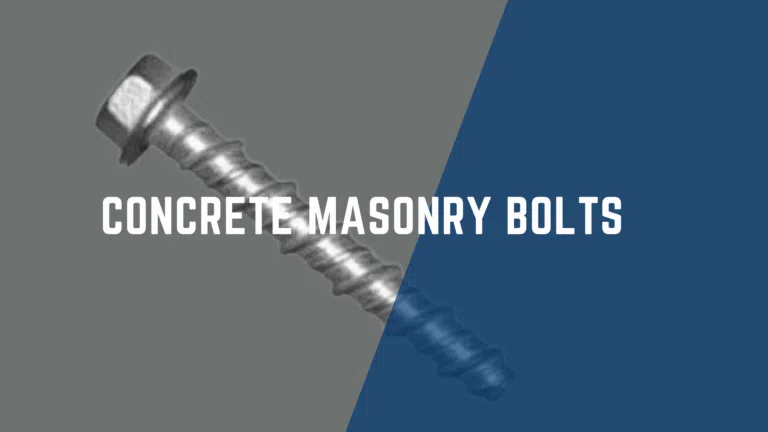
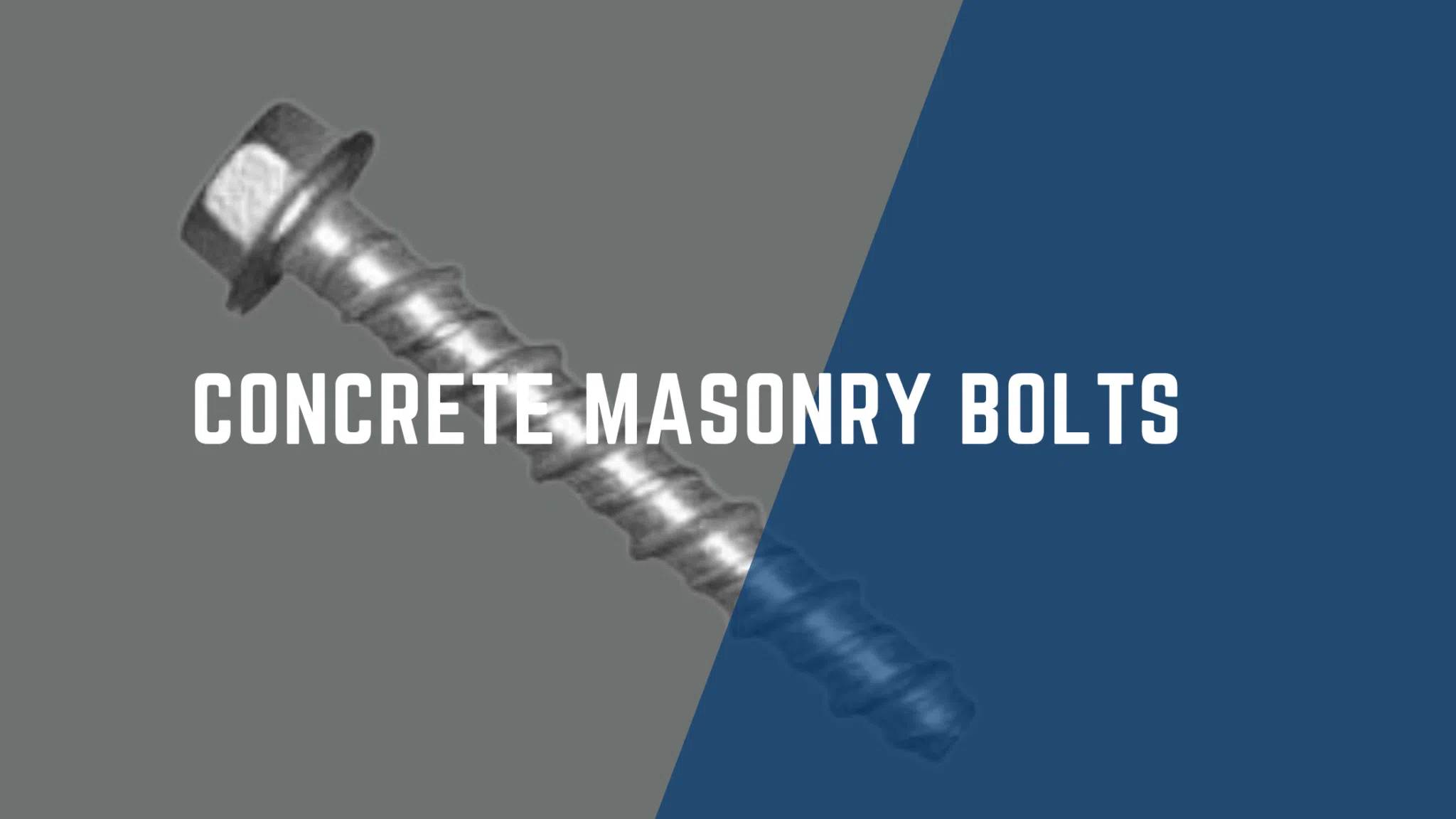
Most DIY enthusiasts and professionals alike are drawn to the versatility of concrete masonry bolts for their formidable anchoring capabilities. In this guide, you will learn how to safely and effectively use these non-certified fasteners to enhance the durability of your projects, with an emphasis on proper techniques and best practices. While they offer substantial strength, it is important to be aware of the inherent risks involved in using untested materials. With the right approach, you can achieve a robust and lasting bond in your constructions.
Key Takeaways:
- Ensure that the concrete masonry bolts are suitable for the specific load requirements and environmental conditions of the project to enhance durability.
- Use the correct installation techniques, including pre-drilling and proper torque settings, to achieve optimal performance from the bolts.
- Regularly inspect the installations for signs of wear or corrosion, and address any issues promptly to maintain the integrity of the system.
 Choosing the Right Concrete Masonry Bolts
 Choosing the Right Concrete Masonry Bolts
Selecting the appropriate concrete masonry bolts can significantly influence the overall success of your project. There are different types available, designed for varying weights, environmental conditions, and specific applications. Assess characteristics such as load capacity, thread design, and material composition to ensure optimal performance and longevity under your unique circumstances.
Assessing Application Needs
Your project’s specific requirements play a pivotal role in determining which concrete masonry bolts to use. For instance, if you’re fastening heavy equipment or securing structural elements, you’ll need bolts with a higher load-bearing capacity. Additionally, consider any potential exposure to moisture or corrosive substances, as these factors can dictate the type of material you choose, impacting the resistance and stability of your installation.
Factors Influencing Durability
The durability of concrete masonry bolts hinges on several factors, including the bolt material, environmental conditions, and installation techniques. Selecting high-grade materials such as stainless steel or hot-dipped galvanised coatings can significantly enhance corrosion resistance. Moreover, proper installation, including adequate hole depth and anchoring methods, contributes to long-lasting performance. Assume that neglecting any of these elements can lead to premature failure.
- Material grades
- Corrosion resistance
- Installation methods
- Environmental factors
- Project requirements
Understanding the various factors influencing durability is imperative for effective decision-making. Environmental elements, such as moisture and temperature fluctuations, can take a toll on your bolts over time. If your project is in a coastal region, exposure to saltwater is an additional concern; therefore, selecting appropriate materials is vital. Assume that a thorough evaluation of these elements ensures a robust and enduring solution for your construction needs.
- Environmental exposure
- Temperature fluctuations
- Material integrity
- Load requirements
- Proper installation
Preparing for Installation: Tools and Techniques
Before commencing with the installation of concrete masonry bolts, gather your tools and plan your technique to ensure a smooth process. Proper preparation can significantly enhance the efficiency of your work and the reliability of the final outcome. Ensure that your workspace is organised and that you have all necessary materials to not compromise on consistency and quality.
Essential Tools for Effective Installation
Having the right tools is vital for a successful installation. You’ll need a high-quality masonry drill, suitable drill bits, a hammer or mallet, a torque wrench, and safety gear, including goggles and gloves. Additionally, a spirit level will help ensure that your bolts are aligned correctly, while cleaning brushes can assist in prepping the surface prior to installation.
 Recommended Techniques for Visibility and Precision
 Recommended Techniques for Visibility and Precision
To achieve optimal visibility and precision during installation, consider using a pencil or chalk to mark your drilling points clearly. Using a template can also aid in maintaining uniform spacing between bolts. Ensuring that your work area is well-lit will prevent errors and enhance accuracy. Moreover, double-check measurements before drilling can save time and reduce material waste.
Adopting proper techniques like using a laser level not only increases visibility but ensures that your measurements are accurate over longer distances. Additionally, utilising painter’s tape can create a non-slip surface for your drill bit, reducing the chances of wandering when you begin drilling. Maintaining a steady hand and taking your time, especially when marking points and aligning bolts, guarantees precision, leading to a more durable and secure installation.
Step-by-Step Installation Process
| Step | Description |
|---|---|
| 1 | Gather necessary tools including a hammer drill and masonry bits. |
| 2 | Mark the position of the bolts on the concrete surface. |
| 3 | Drill holes to the specified depth and align at the correct angle. |
| 4 | Insert the bolts ensuring they are flush with the surface. |
| 5 | Secure with nuts and washers if required, tightening adequately. |
Drilling Holes: Depth and Angle Considerations
Accurate drilling is fundamental in achieving a successful installation. Aim for a depth of at least 1 inch deeper than the bolt’s length to ensure strong anchorage. The angle should ideally be perpendicular to the concrete surface, as this promotes optimal load distribution and reduces the risk of shear failure.
Setting the Bolts: Best Practices for Stability
Securing your concrete masonry bolts correctly significantly influences their strength and longevity. Ensure that all debris from drilling is cleared away before inserting the bolt to guarantee a snug fit. Tighten bolts progressively and evenly to maintain balance, avoiding over-torquing which could damage the bolt or concrete.
Be meticulous about cleanliness in the hole before setting the bolt; any residual dust or debris can lead to instability. A well-fitted bolt will bear weight effectively without compromising the integrity of the surrounding concrete. Additionally, consider using a torque wrench to ensure that each bolt is tightened to the specified tension, helping to prevent any potential loosening over time due to vibrations or weight stresses.
Maintenance and Inspection for Longevity
Regular maintenance and inspection of your concrete masonry bolt installations are vital for ensuring durability and safety. Keep a close eye on any signs of wear or damage, such as rust, corrosion, or loosening. Conducting periodic checks will not only enhance the longevity of your installations but also prevent costly repairs and potential failures in the future.
Signs of Wear and Potential Failures
Look for visible signs of wear, such as rust or corrosion, which could indicate the bolts are compromised. You may also notice loosened or displaced bolts, which can increase the risk of structural failure. Regularly inspect your installations for any discrepancies or irregularities that could signal underlying issues.
 Routine Checks: Keeping Your Installations Secure
 Routine Checks: Keeping Your Installations Secure
Conducting routine checks every six months can ensure your concrete masonry bolts remain secure and functional. During these checks, examine each bolt for signs of wear, tighten loose connections, and assess the surrounding material for any deterioration. Keeping a log of inspections can help you track changes over time and plan necessary maintenance effectively.
When performing routine checks, it’s important to examine not only the bolts themselves but also the underlying surfaces and structures they anchor. Verify that the holes in which they are installed are unaffected, free from cracks or excessive wear. Pay attention to the surrounding environment—factors such as moisture and temperature fluctuations can affect the materials’ integrity, making it imperative to maintain an understanding of how these conditions impact your installations. Should any abnormalities be detected, act quickly to mitigate risks before they lead to serious safety hazards.
The Practical Implications of Using Non-Certified Bolts
Utilising non-certified concrete masonry bolts can yield significant cost savings and allow for greater flexibility in certain applications. However, you must be cautious, as these bolts may not meet specific industrial standards, potentially compromising safety and structural integrity. While they may suit personal projects or temporary installations, their use in critical applications requires thorough assessment to ensure they can withstand intended loads and environmental conditions. Furthermore, as the construction industry evolves, it is essential to stay updated on the latest advancements and standards. A comprehensive concrete masonry bolts 2025 overview will help professionals make informed decisions while balancing cost and safety. Ultimately, investing in certified products can provide long-term benefits, reducing risks associated with structural failure and non-compliance.
Risks and Benefits Explained
Employing non-certified bolts presents inherent risks, such as susceptibility to corrosion and material failures under stress, which can jeopardise the safety of your projects. On the other hand, the benefits include lower costs and quick availability, allowing for more flexibility in your work. You need to weigh these factors carefully in relation to the project’s requirements and potential consequences.
Balancing Cost with Performance
Striking a balance between cost and performance when using non-certified bolts is imperative to avoid unforeseen issues. Assessing the specific demands of your project, such as load-bearing requirements and environmental exposure, can help you decide whether the savings justify the risks involved. Often, investing slightly more in certified components can provide long-term benefits that mitigate the need for costly repairs or replacements down the line.
When considering the balance of cost and performance, weigh the implications of using non-certified bolts against the potential for failure under demanding conditions. For instance, a less expensive bolt may seem appealing initially, but if it does not provide the durability required for structural support, the resulting damage could surpass initial savings. By evaluating past case studies or seeking feedback from peers who have undertaken similar projects, you can make an informed decision that prioritises both your budget and the longevity of your installation.
To wrap up
Upon reflecting on the use of concrete masonry bolts, it is vital that you choose the right size and type for your specific application to ensure durability. Proper installation involves pre-drilling the correct diameter hole, using a suitable washer, and tightening to the manufacturer’s specifications. Regularly inspect your bolts for signs of wear or corrosion, and replace them as necessary to maintain structural integrity. By following these guidelines, you can enhance the longevity and reliability of your masonry works, ensuring that your projects stand the test of time. In addition, when installing concrete masonry screws, it’s crucial to ensure that the screws are specifically designed for the material and load requirements of your project. Using the correct screws helps to further enhance the connection between elements and reduces the risk of failure under stress. Always consider environmental factors, as exposure to moisture and harsh conditions can influence the choice of materials and compel more frequent inspections and maintenance.
FAQ
Q: What are concrete masonry bolts, and how are they different from regular bolts?
A: Concrete masonry bolts, designed specifically for use in concrete and masonry applications, feature a unique design that allows them to grip securely within the material. Unlike regular bolts, which are typically made for softer materials like wood or metal, masonry bolts have enhanced strength and a special thread pattern that prevents loosening over time.
Q: How do I choose the right size of concrete masonry bolt for my project?
A: Selecting the appropriate size of concrete masonry bolt is vital for a secure installation. Measure the thickness of the material you intend to fasten to the concrete, and ensure the bolt’s length exceeds this measurement by the necessary amount to provide adequate grip. Additionally, consider the weight of the object being secured to determine the diameter of the bolt required for strength and support.
Q: What tools will I need to install concrete masonry bolts?
A: To install concrete masonry bolts, you will require a few necessary tools: a hammer drill with a masonry bit for drilling into concrete, a bolt installation tool or wrench for securing the bolts, and a measuring tape for precision. Depending on the application, a level may also be useful to ensure alignment during installation.
Q: What is the process for installing concrete masonry bolts properly?
A: Begin by marking the locations where you wish to install the bolts on the concrete surface. Use a hammer drill fitted with a masonry bit to create holes at the marked points, ensuring they are deep enough for the bolt length. Insert the concrete masonry bolts into the drilled holes and use a wrench to tighten them securely. It’s necessary to apply an even amount of pressure and check for stability once the installation is complete.
Q: Are concrete masonry bolts suitable for outdoor use, and how can I ensure their durability?
A: Yes, concrete masonry bolts can be suitable for outdoor use, but it is advisable to select those made from corrosion-resistant materials, such as stainless steel or galvanised steel, to enhance their durability against weather elements. Additionally, applying a protective coating or sealant can further improve longevity and resistance against harsh conditions.