
This guide will help you to effectively use Soudabond Foam Adhesive Gun Grade for achieving strong, lasting bonds in your projects. By following these steps, you can ensure optimal adhesion for various materials while maintaining a safe working environment. Always wear appropriate protective gear as the adhesive contains chemicals that may be harmful. With the right technique, you can maximise the adhesive’s performance, resulting in a robust and durable bond for your applications.
Key Takeaways:
- Ensure the surfaces to be bonded are clean, dry, and free from dust or grease for optimal adhesion.
- Apply the adhesive in uniform beads or patterns, controlling the nozzle for consistent coverage.
- Allow adequate curing time according to the manufacturer’s instructions to achieve maximum bond strength.
Understanding Soudabond Foam Adhesive
 What is Soudabond Foam Adhesive?
 What is Soudabond Foam Adhesive?
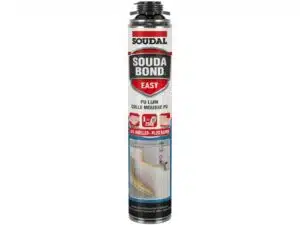
Soudabond Foam Adhesive is a high-performance, one-component polyurethane adhesive designed for maximum bonding strength. It expands upon application, filling gaps and crevices to create a robust bond between various materials, including wood, metal, and plastics. This versatility makes it ideal for construction and insulation projects, providing a solid foundation for your building needs.
Benefits of Using Gun Grade Adhesive
Using gun grade adhesive like Soudabond Foam offers significant advantages. Its easy application via a foam gun allows for precise control, minimising waste. The adhesive’s strong, waterproof bond is perfect for both indoor and outdoor use. Additionally, it provides excellent thermal insulation properties, enhancing energy efficiency in your projects.
The benefits extend beyond mere convenience. Adhesives such as Soudabond Foam showcase impressive adhesion strength, bonding surfaces effectively in demanding conditions. For example, in large-scale construction, users report time savings of up to 30% compared to traditional bonding methods, thanks to its fast-setting properties. Its ability to fill gaps means that you achieve more than just a bond; you create a seal that protects against air and moisture infiltration, further improving your build’s longevity.
Preparing for Use
Before applying Soudabond Foam Adhesive, ensure you have adequately prepared the area and materials. Begin by gathering necessary tools and ensuring you understand the application process. Familiarity with the product will maximise its effectiveness, allowing for strong, lasting bonds that meet your project’s demands.
Surface Preparation Tips
Properly preparing surfaces is necessary for achieving optimal adhesion. Follow these tips:
- Clean surfaces thoroughly, removing all dirt and grease.
- Ensure surfaces are dry before application.
- For porous materials, consider using a primer to enhance adhesion.
- Use a suitable adhesive scraper to remove any old adhesive.
After preparation, make sure the surfaces are ready for adhesive application.
Essential Tools and Safety Precautions
Gathering the right tools and ensuring safety measures is vital. You will need a Soudabond Foam Adhesive gun, nozzles, safety goggles, gloves, and a waste receptacle for any excess foam. Working in a well-ventilated area will also help mitigate fumes during application. Ensure you are familiar with the manufacturer’s guidelines to avoid mishaps.
Applying Soudabond Foam Adhesive requires specific tools to achieve the best results. Using the adhesive gun correctly helps control the flow of the foam, preventing over-application. While working, wear protective gear, including gloves and goggles, to safeguard against skin and eye contact with the product. Additionally, ensure your workspace is clear of obstacles and flammable materials, as the adhesive is highly flammable in its uncured state. Proper preparation and safety measures contribute to a successful bonding process and protect you throughout the application.
Application Techniques
The effectiveness of Soudabond Foam Adhesive largely depends on your application techniques. Ensuring a smooth, consistent application will enhance adhesion and overall durability. Familiarise yourself with the following step-by-step process to achieve the best results.
Step-by-Step Application Process
Step-by-Step Application Process
| 1. Shake the canister vigorously for 30 seconds to activate. | 2. Attach the nozzle securely, and adjust for desired foam flow. |
| 3. Apply the adhesive evenly on the surface, maintaining a steady pressure. | 4. Join materials within 10 minutes for optimal bonding. |
Tips for Even Coverage
 Tips for Even Coverage
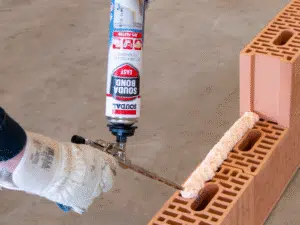
Achieving even coverage is vital for a strong bond. Always start with a clean, dry surface and keep the nozzle at an angle to distribute the foam evenly. Avoid excessive pressure which might lead to uneven application.
- Maintain nozzle distance to ensure consistent foam thickness.
- Use a steady hand for a continuous flow of adhesive.
- Work in manageable sections to avoid foam over-expansion.
Utilising these techniques will greatly enhance your adhesive application. Employing a consistent motion while applying the adhesive, along with keeping the surface prepared, will yield better adherence. Avoid rushing to ensure that you achieve smooth and uniform coverage throughout.
- Keep a wet edge to ensure the foam bonds effectively across surfaces.
- Use appropriate tools to smooth out the foam if needed.
- Practice on scrap materials before applying to your final project.
Factors Affecting Bond Strength
Several elements influence the strength of bonds created with Soudabond Foam Adhesive Gun Grade. Key factors include surface cleanliness, temperature, and the type of materials being bonded. Each factor can significantly alter adhesion quality, affecting longevity and durability. Ensuring optimal conditions during application is vital for achieving the desired results. Any inconsistency in these aspects can lead to weak or failed joints.
- Surface cleanliness
- Temperature
- Material type
Environmental Considerations
Environmental factors such as humidity and temperature can directly impact the performance of your bond. High humidity levels can affect curing times and may lead to compromised adhesion, while extreme temperatures can alter the foam’s expansion and bonding properties. Ensuring that you work within the recommended conditions maximises bond strength and durability.
Material Compatibility
 Material Compatibility
The compatibility of surfaces you plan to bond notably affects the outcome. Different materials, such as metal, wood, and plastics, have varying porosities and chemical compositions, which can influence the adhesive’s effectiveness. Any incompatibility could result in weak bonds, leading to potential structural failures.
For successful application, you should always test the adhesive on the materials you intend to bond. Notably, polyurethane or similar surfaces may require specific preparation to enhance adhesion. In contrast, porous materials generally absorb some adhesive, which can actually promote bonding strength. Consulting manufacturer guidelines can provide clarity on specific material interactions, ensuring that you achieve robust and reliable bonds.
Maintenance and Longevity
Maintaining the integrity of your bonds with Soudabond Foam Adhesive Gun Grade ensures durability over time. Regular inspections for signs of wear or damage can prevent unexpected failures. Keep the bonded areas clean and free from moisture to enhance adhesion longevity. If the bonds are exposed to extreme conditions, consider reapplying adhesive as needed to maintain strength and stability.
Caring for Bonded Surfaces
To care for bonded surfaces, avoid harsh chemicals that could degrade the adhesive. Instead, use a mild detergent and water to clean the area gently. Pat the surface dry after cleaning to prevent moisture accumulation that may weaken the bond. Regular maintenance not only prolongs the adhesive’s lifespan but also preserves the aesthetics of your projects.
Troubleshooting Common Issues
If bonds with Soudabond Foam Adhesive appear weak or fail, assessing the conditions in which the adhesive was applied is important. Issues could stem from improper surface preparation, inadequate curing time, or exposure to moisture before full bonding occurs. Ensuring that surfaces were clean and dry prior to application can rectify many bonding failures.
Common issues can often be traced back to specific factors. For instance, applying the adhesive in humid conditions may affect curing, leading to a compromised bond. If bubbles or inconsistencies appear in the adhesive layer, this can signal that the application was too thick or uneven. Addressing these concerns early, such as by applying an even layer and allowing adequate drying time, can significantly improve the overall effectiveness and reliability of your bonds.
Additional Tips for Optimal Results
For superb performance with Soudabond Foam Adhesive Gun Grade, adhere to these additional tips to enhance your bonding experience:
- Ensure surfaces are clean and free from dust or grease.
- Apply the adhesive in a consistent bead for even distribution.
- Allow adequate curing time before stress is applied to the bond.
- Store your adhesive in a cool, dry place to maintain its effectiveness.
After taking these precautions, you’ll achieve stronger and more lasting bonds.
Expert Suggestions
 Expert Suggestions
Utilising Soudabond Foam Adhesive Gun Grade effectively requires a few expert techniques. Aim to use the adhesive in controlled temperatures, ideally between 10°C and 35°C, and avoid working in high humidity to prevent premature cure. Experimenting with spacing can also help, allowing more flexibility in adjustments. Always wear protective gear to safeguard against any overspray.
Common Mistakes to Avoid
Avoiding certain common pitfalls can significantly enhance your bonding outcomes. Failing to properly clean surfaces or rushing the curing process often leads to weak bonds. Additionally, using too much adhesive can create an uneven application, affecting stability.
Many individuals neglect surface preparation, assuming that Soudabond Foam Adhesive Gun Grade will adhere to any condition. However, dirty, oily, or unprepared surfaces hinder adhesion efficacy. Additionally, not allowing the recommended curing time compromises bond reliability. Be cautious when applying in excess; this can lead to foam expansion and a messy finish, requiring more cleanup. Adhering to these insights will ensure optimal use of the adhesive.
Final Words
The effective use of Soudabond Foam Adhesive Gun Grade requires you to ensure clean, dry surfaces for optimal adhesion. Apply the adhesive evenly, allowing it to expand and bond securely to your materials. Maintain consistent pressure on the gun for an even flow and work within the recommended temperature range for the best results. Lastly, give the adhesive sufficient time to cure fully, ensuring a strong, lasting bond that meets your project’s needs. Follow these guidelines to achieve superior performance and reliability in your applications.
FAQ
Q: What surfaces can I use Soudabond Foam Adhesive on?
A: Soudabond Foam Adhesive is suitable for a variety of surfaces including concrete, brick, timber, and metal. Ensure surfaces are clean, dry, and free from dust for optimal adhesion.
Q: How do I prepare the adhesive for use?
A: Before use, shake the canister well for at least 30 seconds. Attach the appropriate nozzle and ensure the gun is set to dispense the adhesive evenly. Test on a scrap piece if necessary.
Q: What is the setting time for Soudabond Foam Adhesive?
A: The adhesive typically sets within 10–15 minutes, allowing for adjustments during application. Full cure may take up to 24 hours, depending on ambient conditions and materials.
Q: Can I use Soudabond Foam Adhesive in cold weather?
A: Yes, but for best results, maintain a temperature range of 5°C to 30°C. If used in colder conditions, warm the canister in warm water before application.
Q: How should I clean up excess adhesive?
A: Excess foam can be cleaned with a suitable solvent like acetone while it’s still wet. Once cured, mechanical removal may be necessary, as the adhesive becomes rigid and difficult to remove.