
Wood bonding is crucial for achieving durable and sturdy constructions, and using Everbuild PVA Wood Glue effectively can significantly enhance your project’s integrity. To maximise bond strength, ensure surfaces are clean and dry before application, and apply an even layer of glue for optimal adhesion. Clamping the pieces together for the recommended setting time allows the adhesive to cure properly, creating a stronger bond. Additionally, consider the temperature and humidity levels, as these can impact the glue’s performance. With these tips, you can ensure long-lasting results in your woodworking projects.
Key Takeaways:
- Ensure surfaces are clean, dry, and free from dust or grease to enhance adhesion.
- Apply the glue evenly and clamp the pieces together for optimal bonding strength.
- Allow sufficient curing time before subjecting the bond to stress for maximum durability.
 Understanding PVA Wood Glue
 Understanding PVA Wood Glue
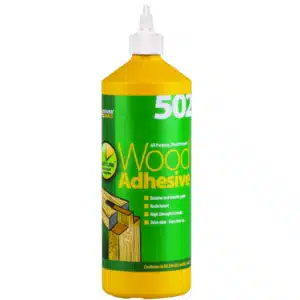
PVA wood glue is a versatile adhesive known for its strong bonding capabilities with wood and other porous materials. This white or yellow emulsion is water-based, allowing for easy application and clean-up. When cured, PVA creates a bond that is often stronger than the wood itself, making it a preferred choice for various woodworking projects.
Types of PVA Glue
There are several types of PVA glue, tailored for specific applications:
- Normal PVA: General-purpose adhesive suitable for indoor use.
- Water-resistant PVA: Ideal for external projects or areas exposed to moisture.
- Furniture-grade PVA: Formulated for high-stress applications like furniture-making.
- Heat-resistant PVA: Useful for applications that may encounter high temperatures.
- Fast-setting PVA: Allows for quicker bonding times, perfect for time-sensitive projects.
Assume that understanding these types helps you choose the right glue for your specific needs.
Applications and Benefits
PVA wood glue is widely used in construction, woodworking, and craft projects due to its strong adhesion and easy application. Its advantages include non-toxic properties, fast drying times, and a strong bond on various surfaces, providing you with a reliable solution for your building needs.
Applications vary significantly, with PVA glue popular in furniture assembly, interior joinery, and paper crafts. Its versatility extends further, as it can bond materials like cardboard, fabric, and some plastics. The benefits include not only its effective strength but also its resistance to yellowing over time, thus maintaining aesthetics in finished products. For projects requiring precision and durability, PVA is favoured for its clean finish and ease of use. This adhesive gives you the confidence to tackle both simple and extensive woodworking tasks with ease.
Surface Preparation
Prioritising surface preparation is vital for achieving optimal bond strength with Everbuild PVA Wood Glue. This involves ensuring your wood surfaces are clean, dry, and free from contaminants, which can interfere with adhesion. The quality of the glue bond largely depends on the condition of the surfaces being adhered, thus taking the time to prepare them properly is a wise investment.
Cleaning the Wood
Effective cleaning of the wood surfaces is key to maximising bond strength. Use a soft brush or cloth to remove dust, dirt, and any loose particles. For greasy residues, a mild detergent solution can be employed, followed by thorough rinsing and drying. Always ensure the surfaces are completely dry before applying the glue, as moisture can weaken the bond.
 Sizing and Shaping the Edges
 Sizing and Shaping the Edges
Proper sizing and shaping of your wood edges enhance adhesion by creating a greater surface area for the glue. Using tools such as a planer or sandpaper can help achieve smooth, even edges, which facilitate better contact between the surfaces. A well-prepared edge directly correlates to stronger joints and durability in the final product.
When sizing your wood edges, aim for consistent widths that match your project requirements. Taking care to eliminate any imperfections or splinters will not only improve the appearance of the joint but also eliminate weak points where glue might not adhere effectively. A smooth, bevelled edge can further enhance glue spread and penetration, leading to a significantly stronger bond.
Clamping Techniques
Effective clamping techniques significantly impact the bond strength of Everbuild PVA Wood Glue. Proper pressure distributes evenly across the glued surfaces, preventing gaps that could weaken the joint. Positioning clamps to maintain even stress while avoiding excessive force ensures a strong bond without damaging your workpieces.
Importance of Proper Clamping
The way you clamp your joints directly influences adhesion quality. Insufficient clamping may lead to inadequate contact and a weak bond, while excessive clamping can squeeze out the glue, disrupting the surface area meant for adhesion. Achieving the right balance is vital for maximising bond strength.
Types of Clamps to Use
When choosing clamps, consider the different types available for various applications. Bar clamps are versatile and provide great pressure, while pipe clamps allow for longer reaches if working on larger projects. F-clamps offer quick adjustments, whereas corner clamps assist in holding pieces at right angles. Each type serves unique purposes, ensuring a reliable, strong bond.
| Type of Clamp | Use |
| Bar Clamps | Ideal for quick, even pressure on flat joints. |
| Pipe Clamps | Great for larger projects and extended lengths. |
| F-Clamps | Easy adjustments for various thicknesses. |
| Corner Clamps | Hold pieces at right angles for added stability. |
| Spring Clamps | Fast, easy application for lighter materials. |
- Bar clamps provide excellent pressure.
- Pipe clamps are versatile for larger projects.
- F-clamps allow for quick adjustments.
- Corner clamps help maintain angles.
- Perceiving the importance of each clamp type will guide you in selecting the right tools for your woodworking tasks.
Understanding the various clamps is vital for effective woodworking. Beyond the basic types, spring clamps can also be beneficial for lightweight projects, offering speed and convenience. Selecting the right clamp type based on your specific needs ensures that you apply adequate pressure in the right areas, enhancing the overall strength and durability of your bond.
| Type of Clamp | Characteristics |
| Spring Clamps | Quick and easy to use for light materials. |
| Trigger Clamps | Single-handed operation for ease of use. |
| Webbing Clamps | Provide even pressure over larger surfaces. |
| Hand Screw Clamps | Adjustable and provides a firm grip. |
| Toggle Clamps | Maintains consistent pressure once set. |
- Spring clamps are quick and easy to use.
- Trigger clamps provide single-handed operation.
- Webbing clamps allow for even pressure distribution.
- Hand screw clamps adjust easily for various thicknesses.
- Perceiving the advantages of each type will help you to choose effectively for your projects.
Application Methods
Utilising the correct application methods can significantly enhance the effectiveness of Everbuild PVA Wood Glue. To achieve the strongest bond, ensure even coverage across all surfaces that will be joined. You can use brushes, rollers, or spreaders, depending on the materials and the bonding area size to facilitate optimal adhesive distribution.
How Much Glue to Use
 How Much Glue to Use
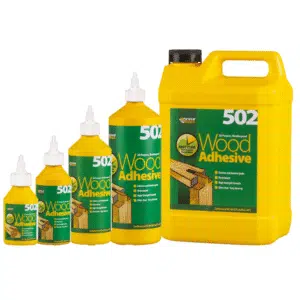
Applying the right amount of PVA glue is necessary for maximising bond strength. Use enough adhesive to cover the surface adequately without over-saturating it. A thin, even layer typically suffices, as excessive glue can lead to weak spots once cured.
Spread Techniques
Effective spread techniques can influence the glue’s performance. Apply the glue with a consistent motion using a brush or spatula, ensuring complete coverage of both surfaces. Avoid overworking the glue, which can introduce air bubbles, diminishing adhesion.
The technique used to spread glue can vastly affect the bond outcome. For larger surfaces, a notch trowel may be ideal, while brushes are perfect for intricate joinery. Prioritising an even spread prevents pooling, which can create weak areas. Furthermore, spreading the adhesive in a circular motion can help avoid air entrapment, ensuring that the glue adheres uniformly across the surfaces.
Drying and Curing
The drying and curing process is imperative for ensuring a strong bond with Everbuild PVA Wood Glue. Once applied, allow sufficient time for the adhesive to dry before subjecting it to any stress. This phase is critical; even if the surface feels dry to the touch, the internal curing may still be incomplete.
Drying Times
Typical drying time for Everbuild PVA Wood Glue ranges from 30 minutes to 1 hour for initial setting, but full curing may take up to 24 hours or longer, depending on the conditions. Ensure not to disturb the bond during this period to achieve optimal strength.
Environmental Factors Affecting Bond Strength
Environmental conditions significantly impact the performance of PVA wood glue. Humidity, temperature, and airflow play roles in both drying times and final bond strength. In high humidity, moisture can interfere with adhesion, while low temperatures may slow down curing.
- High humidity can prevent proper adhesion.
- Low temperature can delay curing times.
- Excess airflow may speed up drying but can lead to inadequate strength.
For instance, in a workshop where the temperature is consistently below 10°C, you may notice that the glue takes much longer to set. Conversely, an overly warm and dry environment can cause the glue to dry too quickly, affecting its bond. Recognising these environmental impacts enables you to adjust your working conditions appropriately.
- Avoid extreme temperature conditions for better adhesion.
- Check humidity levels before application.
- Provide adequate ventilation to improve drying but avoid drafts.
Common Mistakes to Avoid
Avoiding common mistakes can greatly enhance the effectiveness of your bond with Everbuild PVA Wood Glue. Many users unintentionally undermine their projects by overlooking best practices, which can lead to weak bonds and unsatisfactory results. Paying attention to application techniques and adhering to guidelines will ensure the glue performs at its best.
Overapplication of Glue
Applying too much glue can lead to poor adhesion and complications during the drying process. A thick layer often results in longer drying times and may create a weak bond, as the excess can hinder proper adhesion between surfaces. Aim for a thin, even coat to maximise effectiveness.
Not Following Instructions
Failing to follow the manufacturer’s instructions can significantly compromise the bond strength of Everbuild PVA Wood Glue. Each product may have specific guidelines regarding application, drying times, and surface preparation, which are designed to optimise performance. For instance, ignoring recommended clamping times can lead to insufficient bond formation, potentially causing failure in your project. Always read the instructions carefully to ensure that you’re utilising the adhesive correctly.
Conclusion
To wrap up, maximising bond strength with Everbuild PVA Wood Glue involves ensuring clean and dry surfaces, applying an adequate amount of glue, and allowing sufficient drying time. Make sure to clamp your materials securely during the curing process to enhance adhesion. Additionally, consider using the glue in suitable temperature conditions for optimal performance. By following these tips, you can achieve a durable and reliable bond in your woodworking projects.
FAQ
Q: What is the ideal temperature range for using Everbuild PVA Wood Glue?
A: The ideal temperature range for using Everbuild PVA Wood Glue is between 5°C and 30°C. Applying the adhesive within this range ensures optimal curing and bond strength.
Q: How should surfaces be prepared before applying the glue?
A: Surfaces should be clean, dry, and free from dust, grease, or any contaminants. Sanding wood surfaces lightly can enhance adhesion by providing a better grip for the adhesive.
Q: What clamping duration is recommended for optimal bond strength?
A: It is recommended to clamp the bonded pieces for at least 30 minutes. However, for maximum strength, the glue should be left undisturbed for a minimum of 24 hours.
Q: Can Everbuild PVA Wood Glue be used for outdoor projects?
A: While Everbuild PVA Wood Glue is suitable for interior applications, for outdoor projects, a waterproof or exterior-grade adhesive should be considered to ensure durability against moisture.
Q: How can excess glue be removed after application?
A: Excess glue can be removed while it is still wet using a damp cloth. Once dried, it can be sanded off or removed with a sharp blade, taking care not to damage the wood surface.