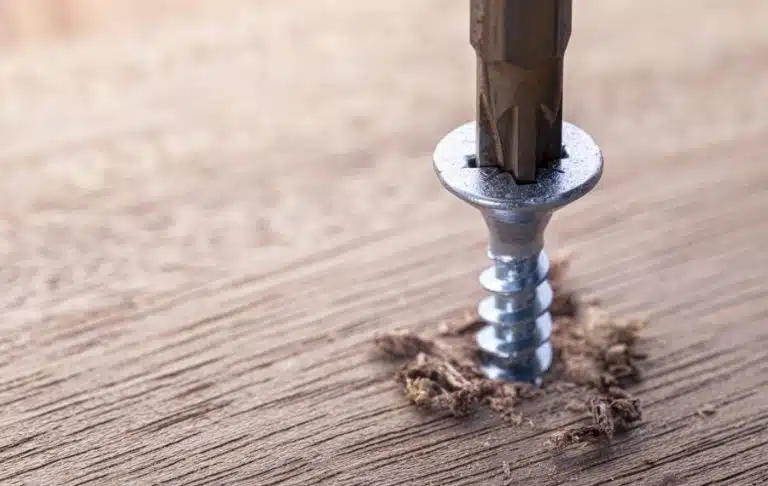

Longevity of your Armeg Woodbeaver drill bit relies on proper care and usage techniques. To ensure optimal performance, always use the correct speed and feed rate while drilling. Additionally, regularly clean the bit to remove debris and prevent wear. Lubrication is imperative; using a suitable cutting oil can significantly reduce friction and heat. When not in use, store your bit in a protective environment to prevent damage. By following these tips, you can extend the lifespan of your tool, ensuring reliable performance for your woodworking projects.
Key Takeaways:
- Regularly clean the drill bit to remove debris and prevent build-up that can hinder performance.
- Use appropriate speed and feed settings for the material being drilled to minimise wear.
- Store the drill bit in a dry, protective environment to avoid damage and corrosion.
 Understanding Armeg Woodbeaver Drill Bits
 Understanding Armeg Woodbeaver Drill Bits
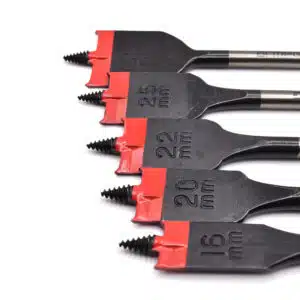
Armeg Woodbeaver drill bits are specifically engineered for optimal performance in wood drilling applications. Their unique design features sharp cutting edges and a distinctive flute geometry that allows for efficient chip removal, enhancing speed and precision. These bits are constructed from high-quality materials ensuring durability and longevity, making them ideal for both professional and DIY projects.
Features of Woodbeaver Drill Bits
Woodbeaver drill bits boast several key features, including a pointed tip for enhanced accuracy, a spiral flute for effective chip clearance, and a robust shank designed for compatibility with various drill types. They are available in multiple sizes, allowing you to choose the perfect bit for your specific task. The innovative design minimises splintering, ensuring a clean finish on your wooden surfaces.
Common Uses and Applications
These drill bits are well-suited for a wide array of woodworking tasks, including furniture assembly, cabinetry, and general woodworking. Their sharpness allows for fast drilling, enabling you to complete projects efficiently. You’ll find them effective for drilling pilot holes, creating clean holes for screws, or even hollowing out materials in carpentry.
In practical terms, the versatility of Woodbeaver drill bits is evident in both professional workshops and home improvement projects. From constructing wooden furniture to installing shelves, they are invaluable for achieving precise and efficient results. You might also utilise them in DIY repairs or creative woodworking endeavours, significantly enhancing your ability to produce clean, accurate holes. This performance ensures that whether you’re working on a simple craft or complex construction, you can rely on these bits to deliver quality results every time.
Proper Storage and Handling
Storing your Armeg Woodbeaver drill bit correctly is vital to maintain its sharpness and integrity. Ensure that it is kept in a dry, clean environment, ideally within a protective case or drawer, to prevent exposure to moisture and dust. Avoid placing the bit in contact with other tools to reduce the risk of chipping or dulling the cutting edges. This will contribute significantly to extending the life of your drill bit.
Recommended Storage Practices
Utilise a dedicated storage container, made of durable materials, to house your drill bits separately. Clearly label your storage solutions for easy identification and organisation. Additionally, consider humidity control measures like silica gel packets within storage spaces to absorb excess moisture. This practice ensures that your Woodbeaver drill bit remains in optimal condition for future use.
Handling Tips to Avoid Damage
When handling your drill bits, always grip them by the shank rather than the cutting edges to maintain their sharpness. Use a soft cloth or gloves to prevent skin oils and moisture transfer, which can lead to corrosion. Additionally, transport your bits in a protective case to avoid accidental impacts. This proactive approach to handling ensures that your Armeg Woodbeaver bits remain undamaged and functional.
- Grip your bits by the shank to maintain sharpness.
- Use a soft cloth or gloves to prevent corrosion.
- Transport in a protective case for safety.
- This will protect your bits from unintended impacts.
Pursue a careful approach when using your drill bits during projects. Avoid applying excessive force, as this can lead to bending or breaking. Always ensure that your drill is in good condition and is set to the correct speed before use. Adhering to these tips can significantly mitigate the risk of damage to your Woodbeaver drill bits and uphold their efficiency over time.
- Avoid excessive force to prevent bending or breaking.
- Ensure the drill is in good condition and at the correct speed.
- These practices will extend the lifespan of your drill bits.
Maintenance and Care
 Maintenance and Care
Your Armeg Woodbeaver drill bit will benefit significantly from regular maintenance and care, which enhances its longevity and performance. Focus on two key aspects: cleaning and sharpening; addressing these will ensure your bit remains effective over time. Neglecting these tasks could lead to decreased efficiency and ultimately, the need for premature replacement.
Cleaning Your Drill Bits
Keeping your drill bits clean is crucial to prevent debris build-up that can affect cutting performance. After each use, immerse the bit in warm, soapy water and use a soft brush to scrub away any wood particles or resin. Rinse thoroughly and dry completely to avoid rust, paying extra attention to the flutes and cutting edges for optimal performance.
Sharpening Techniques
Regular sharpening helps maintain the cutting edge of your drill bit, ensuring efficiency. When your bit begins to dull, use a fine file or sharpening stone to carefully grind the cutting edges back to their original profile. A consistent 30-degree angle on the bevel will result in a sharp edge, allowing for smoother drilling and less resistance.
To enhance your sharpening technique, consider using a bench grinder for a faster process, but be cautious of overheating the bit, which can lead to loss of temper and hardness. Keeping water nearby to cool the bit during grinding is advisable. For finer adjustments, a diamond sharpening file offers precision and control, letting you touch up the edges without removing too much material. Regularly checking the sharpness with a simple test, such as drilling into a scrap piece of wood, can help gauge the effectiveness of your sharpened drill bit.
Using the Right Conditions
Creating the ideal environment when using your Armeg Woodbeaver drill bit can significantly enhance its longevity. Factors such as temperature, humidity, and the type of material you are drilling into will affect performance. Ensure the workspace is clean and free from debris, as foreign materials can cause additional wear on the drill bit. By maintaining these optimal conditions, you facilitate efficient drilling and prolong the tool’s life.
Optimal Speed and Pressure
Utilising the appropriate speed and pressure is important for maximising the effectiveness of your drill bit. For timber, a moderate speed is usually best, allowing the bit to cut through without overheating. Applying excessive pressure can lead to premature wear and damage to both the drill bit and the workpiece. Tailor your approach based on the material, aiming for a balance that allows efficient cutting while avoiding strain on the tool.
Best Practices for Drilling
Adopting best practices while drilling will not only preserve your Armeg Woodbeaver bit but also improve the overall quality of your work. Always ensure the drill bit is correctly aligned before starting to avoid unnecessary lateral forces that can cause damage. Regularly clearing out wood chips from the drilling area enhances efficiency, while using cutting oils on tougher materials can reduce friction and heat buildup, ultimately protecting your drill bit.
In addition to proper alignment, consider using a pilot hole to guide larger bits, as this can aid in precision and reduce the load on your drill bit. Should you encounter resistance, pause and assess the situation rather than forcing the drill, as this could lead to damage. Lastly, always make sure to maintain your drill bit’s sharpness through regular inspections and by promptly sharpening or replacing it when needed, ensuring optimal performance throughout its lifespan.
Recognising Wear and Tear
Understanding the signs of wear and tear on your Armeg Woodbeaver drill bit enables you to take timely action, preserving its efficiency and performance. Regular inspection is imperative; look out for abnormalities like chipping, blunting, or cracking. Not only does this help you maintain the drill bit’s integrity, but it also prevents potential damage to your workpiece. Pay attention to changes in performance, such as increased friction or reduced cutting speed, as these can indicate that your drill bit is nearing the end of its lifespan.
Signs of Deterioration
 Signs of Deterioration
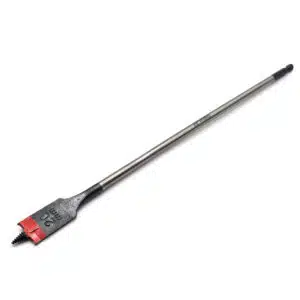
Identifying signs of deterioration early on can save you time and money. You should look for discolouration or heat damage, which can manifest as a bluish tint. Additionally, check for irregular wear patterns on the cutting edges and increased resistance while drilling. Noticing these signs will allow you to act promptly, ensuring better drilling results and preventing further degradation of the bit.
When to Replace vs. Repair
Determining whether to replace or repair your drill bit often hinges on the extent of the damage. If the bit is minorly blunted, sharpening might suffice, while extensive chipping or fracture typically necessitates replacement. Assess the cost of repair against a new drill bit; if repairs exceed 50% of the replacement cost, you should opt for a new one to ensure efficiency and safety.
Investing in the right assessment is vital when deciding whether to replace or repair. Consider the frequency of your use and the specific tasks involved. If you regularly run into heavy use or encounter particularly tough materials, replacing the bit might be more economical in the long term. Aim for a balance between functionality and cost-effectiveness; weigh the benefits of a well-functioning bit against the potential downsides of attempting to repair extensive damage. In many cases, purchasing a new, reliable drill bit can serve you better than dealing with inconsistent performance from a repaired one.
Conclusion
With these considerations in mind, you can significantly enhance the lifespan of your Armeg Woodbeaver drill bit. Ensuring proper cleaning, storage, and usage will not only maintain its sharpness but also improve your overall drilling performance. By following these tips, you will get the most out of your investment and keep your tools in optimal condition for longer.
FAQ
Q: How can I clean my Armeg Woodbeaver drill bit after use?
A: To clean your Armeg Woodbeaver drill bit, use a soft brush or cloth to remove sawdust and debris. For more stubborn residue, you can soak the bit in soapy water. After cleaning, dry the bit thoroughly to prevent rusting.
Q: What is the best way to store my drill bits?
A: Store your Armeg Woodbeaver drill bits in a dry location. Use a protective case or magnetic strip to keep them organised and prevent damage. Avoid storing them exposed to moisture or extreme temperatures.
Q: How often should I sharpen my drill bits?
A: The frequency of sharpening depends on usage. If you notice a decrease in cutting efficiency or if the bit struggles to penetrate wood, it’s time to sharpen. Regular maintenance helps prolong their lifespan.
Q: Can I use my Woodbeaver drill bit on materials other than wood?
A: While the Woodbeaver drill bit is designed for wood, using it on metal or other materials can cause damage. Stick to the recommended materials to ensure optimal performance and longevity of the bit.
Q: What is the impact of excessive heat on drill bit performance?
A: Excessive heat can cause the drill bit to lose its sharpness and damage the cutting edges. To minimise heat buildup, use a slower drilling speed and apply consistent pressure without forcing the bit through the material.