
Many homeowners face the challenge of securely hanging heavy items on hollow walls, which require specific techniques to avoid damage or accidents. This guide will provide you with effective methods to ensure your items are safely mounted, maintaining the integrity of your walls. By following these step-by-step instructions, you can confidently display your possessions without the fear of them falling. Ensuring you have the right tools and following safety protocols will keep your walls intact and your belongings secure.
Key Takeaways:
- Use specialised wall anchors designed for hollow walls to ensure stability.
- Locate wooden studs if possible for added support when hanging heavy items.
- Distribute the weight evenly to prevent damage to the wall surface.
 Understanding Hollow Walls
 Understanding Hollow Walls
Hollow walls are commonly found in modern buildings, consisting of two layers of material with empty space in between. This configuration can complicate the hanging of heavy items, as standard nails and screws may not provide adequate support. The strength of the wall depends largely on the construction type and materials used, making it vital to identify the specific characteristics of your hollow wall before proceeding with any hanging project.
Types of Hollow Walls
There are several types of hollow walls, each presenting unique challenges for hanging items.
- Drywall – The most common hollow wall, primarily made of gypsum board.
- Plasterboard – Similar to drywall but with a more durable finish.
- Stud Wall – Comprises wooden or metal framing covered with drywall; knowing how to locate the studs is vital.
- Concrete Block – Has an inner cavity that may require specific anchors.
- Metal Framed Walls – Often used in commercial settings and require specialised fixings.
Knowing the type of hollow wall you’re dealing with can significantly impact your choice of fastening methods.
Factors to Consider Before Hanging
Assessing your hollow walls carefully ensures items are secure and minimizes the risk of damage. The weight of the item, wall material, and the hanging method all influence your decision-making process. Additionally, consider the wall’s condition for any imperfections which could weaken the support.
- Weight Limit – Different anchors support varying weights, so choose wisely.
- Wall Condition – Cracks or moisture can compromise stability.
- Anchor Type – Use the correct type of anchor for your wall material.
- Item Size – Large items may require extra support.
- Location – Positioning can affect visibility and accessibility.
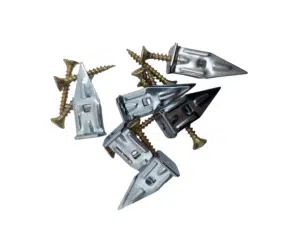 Any oversights in these factors can hinder the successful hanging of your items.
Evaluating each of these crucial elements can improve your overall success when hanging items on hollow walls. The weight limit is paramount; exceeding it can lead to damage or accidents. Inspecting the wall condition helps in avoiding issues related to cracks or moisture, which might significantly affect the integrity of the hang. The appropriate anchor type must be selected based on the wall material. Considering the item size is necessary; larger items inherently require stronger support systems. The location of your hung items should balance aesthetics with practicality, ensuring they are both visually appealing and functional.
- Weight Capacity – Heavier items require stronger fixings.
- Wall Assessment – Identifying any defects is vital for safety.
- Correct Anchors – Select options suited to your wall type.
- Item Size and Shape – These influence support requirements.
- Optimal Location – Aim for both practicality and style.
Any failure to address these specifics may result in unsuccessful installations.
Tools and Materials Needed
Gathering the right tools and materials can make all the difference when hanging heavy items on hollow walls. Ensure you have everything on hand before you start to streamline the process and avoid interruptions. A checklist of vital tools and suitable anchors will facilitate a secure installation and give you peace of mind. When installing spring toggles for heavy items, it’s important to choose the right location on the wall to ensure maximum stability. Take care to measure accurately and mark your drill points clearly for precise installation. Additionally, double-check that the items you are hanging do not exceed the weight limit of the toggles to prevent any accidents.
Essential Tools
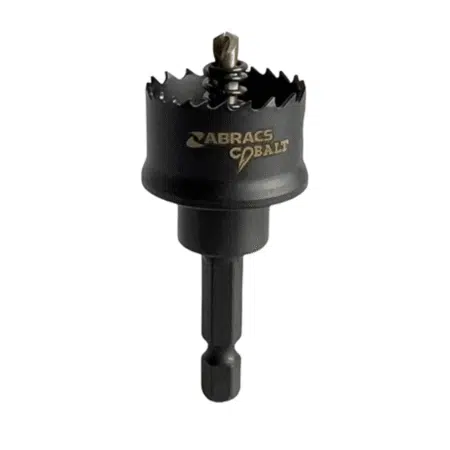
To effectively hang heavy items, you will need a drill with the appropriate drill bits, a stud finder, a level for accuracy, a measuring tape, and a pencil for marking. Additionally, safety goggles and a hammer can prove useful. Having these tools readily accessible will enhance your efficiency and accuracy throughout the project.
 Recommended Anchors and Fasteners
 Recommended Anchors and Fasteners
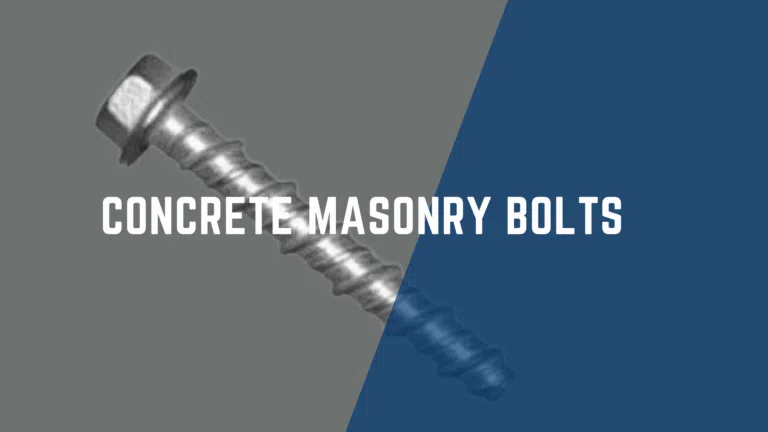
Utilising the right anchors and fasteners is vital for securely attaching heavy items to hollow walls. Toggle bolts, wall anchors and Molly bolts are all excellent choices that expand inside the wall cavity, providing robust support. Selecting the correct type based on the weight of the item ensures lasting stability and safety.
For optimal results, toggle bolts are particularly effective for heavier loads, as they distribute weight across a wider area. For medium-weight items, Molly bolts create a permanent anchor that can handle significant weight without damaging the wall. Always check the manufacturer’s specifications to confirm that the chosen anchors can support the weight you intend to hang, ensuring a safe and reliable installation.
Preparation Steps
Before hanging heavy items on hollow walls, thorough preparation ensures success and safety. Start by gathering the necessary tools, including a stud finder, measuring tape, pencil, and appropriate wall anchors. Assess the weight of the items you wish to hang to select suitable fastening methods. A well-planned approach minimises the risk of damage and provides peace of mind when displaying your possessions.
Locating Wall Studs
To securely hang heavy items, locating wall studs is fundamental. Use a stud finder to identify the position of wooden beams behind the wall surface. These beams provide adequate support and improve the stability of your installation. Typical stud spacing is 16 inches on centre, but this can vary, so check carefully.
Measuring and Marking
Accurate measuring and marking are vital to achieve a level and professional finish. Once studs are located, determine the ideal height and spacing for your item. Use a measuring tape to mark the positions on the wall with a pencil, ensuring the marks align with the stud locations for optimal support.
For precise measurements, it’s beneficial to use a level to ensure your marks are straight. Measure from the floor or an adjacent structure to maintain consistency across the installation. If you’re hanging multiple items, measuring the distance between them helps create a symmetrically pleasing layout. Taking time to make these measurements can prevent unnecessary damage and rework, resulting in cleaner, more professional results.
Step-by-Step Hanging Process
| Step | Description |
| 1 | Determine the location and mark with a pencil. |
| 2 | Drill holes at the marked spots. |
| 3 | Install anchors and hooks based on the item’s weight. |
| 4 | Hang your item securely. |
Drilling Holes
Drilling holes in hollow walls requires precision to avoid damaging the structure. Use a suitable drill bit that matches the size of your anchors. Begin by gently drilling straight to ensure clean entry. Maintaining a steady hand prevents the drill from wandering, which could lead to uneven holes.
Installing Anchors and Hooks
After drilling, insert wall anchors designed for hollow walls into the holes. These anchors expand behind the wall, providing a robust grip. Choose anchors that can support the weight of your item, with options ranging from toggle bolts to plastic anchors based on the load. Securely attach hooks that will hold the item firmly in place.
Installing the right anchors and hooks is vital for supporting heavy items. Toggle bolts usually provide greater strength compared to standard plastic anchors and are ideal for heavier loads. Ensure that you follow the manufacturer’s instructions for installation, as each type has specific requirements for optimal performance. Double-check that anchors are flush against the wall for maximum stability.
Hanging the Item
Once anchors and hooks are in place, it’s time to hang your item. Carefully position the item over the installed hooks. It’s beneficial to have an extra pair of hands to help align and steady larger items, ensuring they sit evenly and securely.
When hanging the item, ensure that it is level using a spirit level. Adjust if necessary to prevent it from tilting. For items with multiple hooks, distribute the weight evenly across all points of contact to reduce strain on any single anchor, thus enhancing stability and safety over time.
Tips for Enhancing Stability
To increase the stability of heavy items on hollow walls, consider using specialised items like toggle bolts or anchors designed for such applications. Check the weight limit of your fixings and ensure they’re suitable for the load you plan to hang. It’s beneficial to use multiple points of fixation to distribute weight evenly, reducing the risk of damage. Maintain a neat and tidy appearance by concealing fixtures where possible. Thou must ensure proper installation for lasting support.
Weight Distribution Techniques
 Weight Distribution Techniques
Effective weight distribution is key to maintaining the integrity of your hollow walls. Consider spreading the load across multiple points rather than relying on a single fixture, which increases the risk of wall damage. By using a combination of wall-mounted brackets or floating shelves, you can optimise space while ensuring that the weight is evenly shared. This not only protects the wall but also enhances the aesthetic appeal of your hung items.
Alternative Hanging Methods
Utilising alternative hanging methods can provide additional ways to secure heavy items without compromising your hollow walls. Techniques such as using french cleats or magnetic strips can offer robust support while also allowing for easy adjustments. Employing adhesive strips for lightweight pieces can also minimise wall damage and are especially beneficial in rented accommodations. Always evaluate the weight capacity of your chosen method to ensure reliability and safety.
Among the most effective alternative methods, french cleats stand out for their strength and versatility. This system involves a pair of angled pieces, one secured to the wall and the other to the item being hung, allowing for a snug fit that evenly distributes weight. Additionally, steel picture hangers present a reliable option for securing various pieces without extensive tools or wall damage. Exploring these options means you can confidently hang your items while preserving the integrity of your walls.
Troubleshooting Common Issues
Even with careful planning, issues may arise when hanging heavy items on hollow walls. Misalignment, inadequate support, and weight limitations can undermine your efforts. Addressing these problems quickly ensures your heavy items stay secure while preventing potential damage to your walls. Understanding how to troubleshoot effectively will enhance your hanging experience and safeguard your belongings.
Dealing with Misalignment
If your item hangs unevenly, it might be due to misalignment during installation. Check the level of your item using a spirit level. If it’s askew, you may need to adjust the anchor positions or tighten screws to realign your piece. Sometimes, removing the item and starting over can also rectify misalignment issues.
Adjusting for Weight Limitations
Understanding the weight capacity of your wall support system is vital. Different anchors and bolts have specific limits. Exceeding these limits can lead to catastrophic failure. Always consult the product specifications and choose hardware rated for at least 1.5 times the weight of the item you intend to hang.
Evaluating your chosen anchor’s specifications reveals its weight limitations. For example, a toggle bolt can typically support between 30-50 kg, while a plastic molly bolt might hold less than half that. If uncertain, opt for additional anchors or distribute the weight across several points. This precaution not only ensures your item remains safely mounted but also reduces stress on the wall itself, promoting longevity in both your installation and the wall’s integrity.
To wrap up
Drawing together the steps outlined, hanging heavy items on hollow walls requires careful consideration and the right tools. You should ensure that you select appropriate anchors and fixings to distribute weight effectively across the wall’s surface. By following the step-by-step guide, you can secure your belongings safely, enhancing both functionality and aesthetics in your space. Always double-check your work to guarantee stability, ensuring your heavy items are displayed confidently and securely.
FAQ
Q: Can I hang heavy items on a hollow wall?
A: Yes, you can hang heavy items on a hollow wall, but it is important to use the correct hardware and techniques to ensure stability and prevent damage to the wall.
Q: What tools do I need to hang heavy items on hollow walls?
A: You will need a stud finder, drill, toggle bolts or heavy-duty wall anchors, a level, and a measuring tape. These tools will help you securely mount the item to the wall.
Q: How do I locate the best spot on a hollow wall to hang an item?
A: Use a stud finder to locate the wooden or metal framing behind the wall. It is best to anchor your heavy item into these supports, as they provide the necessary strength to hold substantial weight.
Q: What type of anchors should I use for hanging heavy items on a hollow wall?
A: Toggle bolts are generally the best option for hollow walls, as they extend and secure themselves to the back of the wall. Heavy-duty wall anchors can also be used, but toggle bolts typically offer greater weight support.
Q: Is it advisable to hang multiple heavy items on the same wall?
A: It is possible to hang multiple heavy items, but ensure that they are properly distributed and adequately secured with appropriate anchors. Avoid clustering too much weight in one area to prevent potential structural issues.