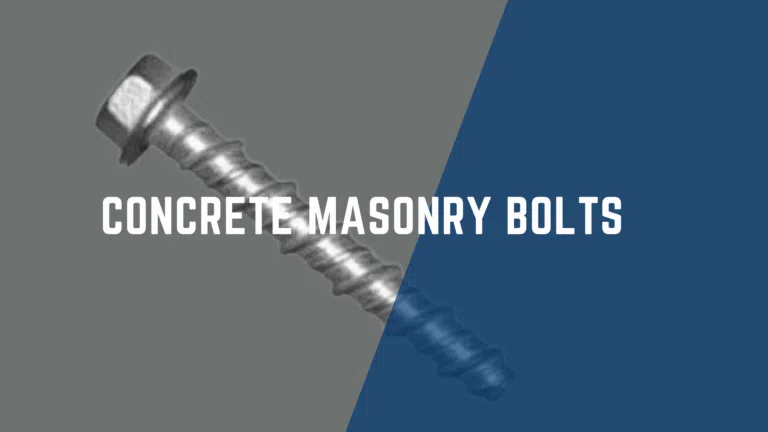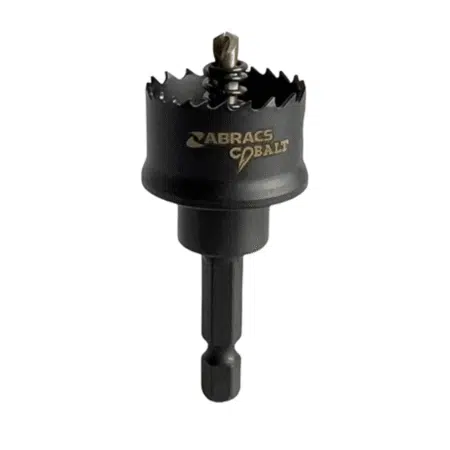

Masonry can present significant challenges when it comes to drilling, especially in tile and concrete surfaces. You need reliable tools, and Abracs Hard Tile and Masonry Drill Bits offer exceptional durability and precision. Designed to efficiently penetrate tough materials, these drill bits reduce the risk of chipping and breakage, allowing you to achieve clean results. With their sharp cutting edges and robust construction, these bits ensure your projects are completed swiftly and safely, making them an ideal choice for both DIY enthusiasts and professionals alike.
Key Takeaways:
- Abracs hard tile and masonry drill bits are designed for precision drilling through tough materials, ensuring clean and accurate results.
- These drill bits feature robust construction, enhancing durability and longevity even with heavy usage.
- Specialised designs minimise chipping and cracking of tiles, providing a superior performance compared to standard drill bits.
 Understanding Hard Tile and Masonry
Hard tile and masonry materials, prevalent in construction and home improvement, require specialised tools for effective drilling. These materials, including porcelain tiles, stone, and various masonry types, demand drill bits that can withstand high resistance and deliver consistent performance. Your choice of drill bit influences not only the success of your project but also the integrity of the material being drilled.
Types of Hard Tile
Hard tiles are often classified into various categories based on their composition and intended use, including:
- Porcelain Tiles
- Ceramic Tiles
- Stone Tiles
- Glass Tiles
- Vitrified Tiles
Any type presents its own challenges, necessitating specific drill bits for optimal results.
| Type of Hard Tile | Characteristics |
| Porcelain | Denser and less porous than ceramic, requiring specialised bits. |
| Ceramic | Softer than porcelain, often easier to drill. |
| Stone | Very hard, necessitating diamond-tipped drill bits for effective drilling. |
| Glass | Fragile, requiring specific bit designs to prevent cracking. |
| Vitrified | Highly durable, often needing high-speed diamond bits. |
Characteristics of Masonry Materials
Masonry materials encompass a wide range, including brick, concrete, and stone, each with distinct properties affecting drilling techniques. Each material presents unique structural densities and hardiness, influencing the type of drill bit needed for effective penetration.
For instance, brick tends to be softer than concrete, allowing for easier drilling but still requiring care to avoid damaging the structure. Stone, on the other hand, often necessitates the use of diamond-tipped bits due to its extreme hardness. Material properties also impact dust generation, heat build-up, and bit longevity. Understanding these characteristics ensures you select suitable drill bits that provide better performance and longer life, ultimately leading to a more successful project outcome.
The Importance of Quality Drill Bits
Utilising high-quality drill bits significantly impacts your drilling experience and outcomes. Investing in superior tools ensures precise holes, less wear on your equipment, and minimizes the risk of damaging tiles or masonry, which can be costly to repair. Quality bits maintain their sharpness longer, allowing for efficient operation without frequent replacements.
Performance Factors
Performance hinges on several elements, including material composition, design, and cutting edge technology. When you choose Abracs drill bits, you benefit from optimised geometries that enhance cutting efficiency and reduce vibration.
- Material composition affects heat resistance and longevity.
- Design influences the accuracy and depth of cuts.
- Cutting technology can improve speed and precision.
Thou shalt select wisely for optimal results.
 Longevity and Durability
 Longevity and Durability
Choosing durable drill bits directly correlates with the number of projects you can complete before needing replacements. Abracs drill bits are designed to withstand the considerable stress of drilling through hard materials, prolonging their lifespan and saving you money in the long run. Enhanced coatings often reduce friction, allowing for smoother operation and further extending durability.
Durability is not just about the material used but also the manufacturing process that ensures each drill bit meets strict quality standards. For instance, Abracs hard tile and masonry drill bits undergo rigorous testing to withstand high temperatures generated during drilling. Such quality assurance means that you can trust your tools to perform well under pressure, leading to less downtime on your projects and enhancing your overall productivity. The investment in durable drill bits ultimately pays off through long-term reliability and consistent performance across multiple applications.
Abracs Hard Tile and Masonry Drill Bits
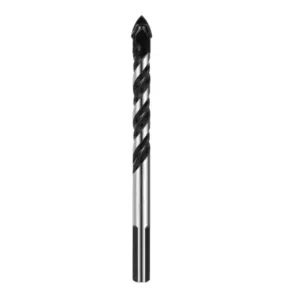
Abracs Hard Tile and Masonry Drill Bits are engineered for precision and durability, making them a top choice for both DIY enthusiasts and professionals. Designed specifically to tackle the toughest materials, these drill bits ensure clean, accurate holes without the risk of chipping or cracking. With a unique carbide tip, they easily penetrate through hard tiles and dense masonry, providing exceptional results even in challenging conditions.
Product Features
Each Abracs drill bit features a carbide-tipped point for enhanced hardness and longevity, ensuring you can complete your projects with minimal wear. The spiral flute design facilitates efficient debris removal, allowing for quicker drilling times. Additionally, their compatibility with standard rotary drills offers versatility across various applications, making them indispensable in your toolkit.
Benefits of Choosing Abracs
Opting for Abracs drill bits translates to greater efficiency and precision in your projects. Their robust construction significantly reduces the likelihood of breakage, while their specific design mitigates the risk of damaging the material being drilled. These factors not only enhance your overall drilling experience but also extend the lifespan of your tools.
By choosing Abracs, you invest in quality that yields tangible results. Users frequently report a noticeable decrease in drilling time, thanks to the bits’ ability to handle challenging materials with ease. The combination of performance and reliability means fewer interruptions for tool replacements, allowing you to maintain momentum on the job. The result is more projects completed on schedule and with the high standards you expect.
Drill Bit Selection Guide
 Drill Bit Selection Guide
Selecting the right drill bit is paramount for achieving optimal results. Factors such as the material you’re drilling into, the type of project, and the specific requirements of the task will guide your choice. Understanding the nuances of each drill bit and its capabilities enhances both precision and efficiency, ultimately leading to more successful outcomes in your projects.
Matching Bits to Materials
Different materials require specific drill bits for effective penetration and clean holes. For hard tiles, use diamond-tipped or carbide drill bits, while masonry requires heavier-duty options like tungsten carbide. Tailoring your selection to match the material ensures durability, functionality, and reduces the risk of breakage or damaging your workpiece.
Size and Type Considerations
Choosing the right size and type of drill bit determines the hole diameter and depth required for your particular task. For instance, a 6mm masonry drill bit is ideal for standard wall plugs, while larger sizes are necessary for anchor bolts. Furthermore, the bit type—be it a masonry bit for stone or a tile bit for ceramics—affects performance and finish quality.
The size and type of drill bits can significantly influence the outcome of your drilling projects. Each bit has specifications that define its optimal use. For example, using a 20mm bit for larger anchors offers superior strength compared to smaller diameters. Additionally, consider the drill chuck compatibility; not all drills accept every bit size. Always ensure your selected bit matches the drill’s capabilities to prevent damaging both the tool and material.
Best Practices for Drilling
Adopting best practices elevates your drilling effectiveness and safety, ensuring outstanding results. Thorough planning and the right tools can make a considerable difference. Assess the surface material, select appropriate drill bits, and always wear protective gear. Follow these guidelines for improved control and accuracy throughout your project.
Preparation and Setup
Before drilling, preparation is key. Secure your tile or masonry piece firmly to prevent movement. Mark your drilling point clearly to ensure precision, using a centre punch if possible to create a pilot hole. Proper lighting and visibility are crucial to enhance focus and accuracy.
Techniques for Effective Drilling
Utilising effective drilling techniques significantly increases your chances of success. Start with a low speed to create a pilot hole; this reduces the risk of cracking. Apply consistent pressure, allowing the drill to do the work rather than forcing it. For hard masonry, consider using water to cool the drill bit, prolonging its life.
When drilling into tile, hold the drill at a right angle to maintain alignment and prevent breakage. If you encounter resistance, pause to clear debris from the hole, ensuring optimal performance. For larger holes, gradually increase the bit size to avoid overwhelming the material. Following these techniques will lead to cleaner, more precise holes and minimise the risk of damage to your work surface.
Common Mistakes to Avoid
 Common Mistakes to Avoid
Avoiding common pitfalls can enhance your drilling efficiency and protect your materials. Many DIY enthusiasts and professionals alike overlook necessary factors that lead to subpar results or potential damage. Understanding these mistakes can save you time, money, and frustration while ensuring the longevity of your tools and workpieces.
Incorrect Speed and Pressure
Using the wrong speed and pressure can severely affect the performance of your drill bit. Too much pressure may cause overheating, leading to rapid wear and tear, while insufficient pressure can result in poor penetration and an ineffective drill. Always adjust your speed according to the material type, maintaining a steady, moderate pressure for optimal results.
Using the Wrong Drill Bit
Selecting the incorrect drill bit for your task can lead to inefficient drilling and damaging outcomes. Using a tile bit on masonry won’t yield the desired results, as different materials require distinct bit designs. Always match your drill bit to the material and application; otherwise, you risk compromising the integrity of your work.
The right drill bit is necessary for achieving precision and longevity in your projects. For instance, using a specialised masonry bit on brick or concrete allows for effective drilling without destroying the bit’s edge. In contrast, using a wood bit on tile can result in breakage or chipping. Investing in the correct type of drill bit tailored to your specific materials ensures a smoother drilling experience and preserves both your tools and workpieces.
Conclusion
On the whole, choosing Abracs Hard Tile and Masonry Drill Bits ensures you achieve efficient and precise drilling in tough materials. These drill bits are designed to handle the unique challenges posed by tile and masonry, allowing you to complete your projects with confidence. Their performance leads to cleaner holes and reduces the risk of damage to your materials. For guidance on specific techniques, you may find it helpful to explore Drilling through tiles fastened to concrete.
FAQ
Q: What are Abracs Hard Tile and Masonry Drill Bits made of?
A: Abracs Hard Tile and Masonry Drill Bits are crafted from high-quality materials, typically with a tungsten carbide tip, ensuring they can efficiently drill through hard surfaces like tile and masonry.
Q: Why should I choose Abracs over other brands?
A: Abracs is known for its exceptional durability and precision. Their drill bits are specifically designed to reduce chipping and cracking while providing clean, accurate holes in tough materials.
Q: Can I use Abracs drill bits on all types of tile?
A: Yes, Abracs drill bits are versatile and can be used on a variety of tiles, including ceramic, porcelain, and even some stone tiles, making them suitable for various projects.
Q: What sizes do Abracs Hard Tile and Masonry Drill Bits come in?
A: Abracs offers a range of sizes for their drill bits, catering to different needs, from small holes for fixtures to larger diameters for plumbing and electrical installations.
Q: How do I ensure the best results when drilling into tile and masonry?
A: To achieve optimal results, use a suitable drill at a low speed, apply consistent pressure, and use water to cool the drill bit, reducing the risk of overheating and enhancing performance.