
Just understanding the capabilities of SDS masonry chisels can transform your masonry work, enabling you to achieve professional quality results. In this guide, you’ll discover how to choose the right chisel for your needs, the best practices for using them safely, and crucial maintenance tips to ensure longevity and performance. By following these guidelines, you can optimise your tool’s effectiveness while minimizing the risk of accidents, empowering you to take on any masonry project with confidence.
Key Takeaways:
- Choosing the right SDS masonry chisel is necessary for the material being worked on, whether it’s brick, concrete, or stone.
- Proper technique and usage can significantly enhance chisel performance and lifespan, ensuring efficient work and safety.
- Regular maintenance, including cleaning and sharpening, prolongs the effectiveness of chisels and optimises professional results.
 Understanding SDS Masonry Chisels
 Understanding SDS Masonry Chisels
Utilising SDS masonry chisels can significantly enhance your efficiency when working with tough materials like brick and concrete. These chisels are specifically designed to fit SDS drills, enabling you to tackle demolition and chiselling tasks with precision and ease. With a variety of options available, understanding their features and types can help you maximise performance and achieve professional results.
Types of SDS Masonry Chisels
There are several types of SDS masonry chisels tailored for different applications. These include pointed chisels, flat chisels, and chisel sets, each versatile for specific jobs. Each type caters to distinct functions, whether breaking up hard materials or creating precise cuts in masonry.
| Type | Description |
| Pointed Chisel | Ideal for breaking and chiselling tough concrete. |
| Flat Chisel | Perfect for removing material and smoothing surfaces. |
| Wide Chisel | Used for larger area clearance tasks. |
| Chisel Set | Offers a variety of shapes for diverse applications. |
| Replacement Tips | Extensions for longevity in usage. |
Key Features to Consider
When opting for SDS masonry chisels, consider the design, material, and compatibility with your tools. Opting for high-quality steel ensures durability while tungsten-tipped options provide added strength. Proper weight balance also plays a role in reducing operator fatigue during prolonged use.
- Material Quality: Ensures durability and longevity.
- Compatibility: Must fit your specific SDS drill.
- Chisel Length: Affects reach and leverage.
- Weight Distribution: Contributes to ease of use.
- Type of Tip: Influences cutting performance.
These key features directly impact the effectiveness of the chisels in various masonry tasks. For instance, robust materials can withstand rigorous applications, while the right weight balance can offer greater control and comfort. Any selection should centre around your specific project demands to ensure success.
- Ergonomic Design: Reduces strain during use.
- Interchangeable Tips: Versatility for different tasks.
- Corrosion Resistance: Enhances durability over time.
- Precision Engineering: Improves cutting accuracy.
- Brand Reputation: Often reflective of quality.
Understanding these features allows you to choose the best tools for your work. Consider how each feature meets your project requirements, as they can dramatically influence your efficiency and outcomes. Any informed decision will lead you to achieve the professional results you desire.
Choosing the Right SDS Chisel
 Choosing the Right SDS Chisel
Selecting the appropriate SDS chisel is imperative for achieving optimal results in your masonry projects. Factors like the *type of material*, *size of the job*, and *specific application* play significant roles in your choice. Whether you’re tackling brick, concrete, or stone, ensuring the right compatibility with your tools will enhance performance and efficiency, ultimately leading to a professional finish.
Factors Influencing Selection
Your selection of an SDS chisel should be influenced by various factors that determine its effectiveness. Key considerations include:
- Material type
- Chisel shape and size
- Durability requirements
- Application method
The right considerations will not only improve your workflow but also extend the life of your chisels.
Application-Specific Recommendations
For varying applications, specific chisels can optimise performance. For instance, flat chisels excel in breaking and chiselling concrete, whilst pointed chisels are ideal for precise masonry work. If you’re involved with tile removal, a chisel designed for tile work will prevent damage to the underlying substrate. Similarly, selecting chisels with carbide tips can enhance durability and reduce wear during extensive use.
In masonry, matching the right tool to the task can significantly impact your results. If you often remove bricks, consider using a lightweight chisel to reduce fatigue. For heavy demolition, heavier chisels with wider heads will expedite the process. The longevity of your tools hinges on proper selection based on your specific tasks, ensuring you achieve both efficiency and quality in your work. Always choose chisels designed for your material to maintain effective performance throughout your projects.
Using SDS Masonry Chisels
Utilising SDS masonry chisels effectively requires both skill and an understanding of the tools at your disposal. Fine-tuning your technique can lead to more efficient cutting and chiselling, minimising wear on both tools and materials. Always ensure a steady hand and apply uniform pressure to achieve clean functions, while being aware of your surroundings to avoid accidents.
Proper Techniques for Effective Cutting
To master effective cutting with your SDS masonry chisel, maintain an angle of approximately 30 degrees against the surface and apply consistent pressure throughout the stroke. Using short, deliberate movements rather than relying solely on force enables you to control the chisel better, resulting in a cleaner finish. Experimenting with different chisels for various cuts will also enhance your proficiency.
Safety Guidelines for Operation
Prioritising safety while using SDS masonry chisels cannot be overstated. Always wear appropriate personal protective equipment (PPE), including safety goggles, gloves, and ear protection. Ensure your work area is clear of obstructions, and maintain a stable footing to prevent accidents. Regularly inspect your chisels for any signs of damage, as using a faulty tool can lead to serious injuries.
In addition to wearing PPE, make sure to operate the chisel at a safe distance from others to avoid injury from flying debris. It’s important to keep hands and fingers away from the cutting path and always use two hands when handling your tool, providing you with better control. Staying aware of your surroundings and potential hazards will enhance your safety and performance during operation.
 Maintaining SDS Masonry Chisels
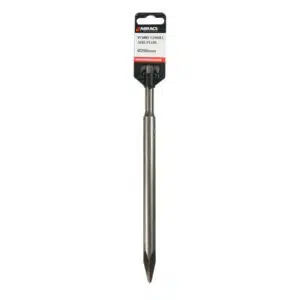 Maintaining SDS Masonry Chisels
Proper maintenance of your SDS masonry chisels ensures longevity and optimal performance. It involves routine cleaning, effective sharpening, and awareness of wear indicators. Regularly inspecting your chisels will prevent damage and enhance their effectiveness in demanding tasks, giving you professional results every time.
Cleaning and Storage Best Practices
After use, clean your chisels with a wire brush or cloth to remove debris and dust. Store them in a dry, organised space, preferably a protective toolbox or sheath to avoid contact with moisture or other tools. Taking these steps will help preserve the integrity of your chisels and prolong their lifespan.
Sharpening and Repair Tips
Periodically check the cutting edges of your chisels; dull edges can hinder performance. Use a sharpening stone or file to keep them in optimal shape, ensuring an angle of around 25 degrees for the best results. If chips or fractures occur, consider using a grinder for repair, but proceed carefully to avoid excessive material removal.
- Cutting edges require regular attention.
- Maintain a sharpening angle of 25 degrees.
- Use a grinder for chisel repairs.
- Knowing proper techniques will enhance your chisels’ longevity.
Sharpening masonry chisels not only improves your cutting efficiency but also makes your work safer. For chisels with significant wear or damage, professional sharpening services can restore them to their original condition. Always assess the integrity of the chisel first; if the damage is too severe, replacing may be more cost-effective than repairing.
- Professional sharpening restores original condition.
- Assess chisel integrity before attempting repairs.
- Replacing may be more cost-effective than repairing.
- Knowing when to sharpen or replace can save you time and money.
Troubleshooting Common Issues
When using SDS masonry chisels, you may encounter several common issues that can affect performance. Identifying these problems early is crucial to ensure that your chisels function effectively. Look out for signs such as excessive vibration, poor cutting, or visible damage, as these can indicate underlying issues that require your attention.
Identifying Chisel Wear and Damage
Regularly inspecting your chisels is vital to detect any signs of wear or damage. Look for blunt edges, chips, or cracks in the material. If the chisel feels excessively loose when fitted into the SDS drill, this might indicate that the shank has been worn down. Proper identification of these issues will enable you to take corrective measures promptly.
Solutions for Performance Problems
To address performance problems with your chisels, consider sharpening the cutting edges or replacing any damaged components. If vibration becomes excessive, ensure the chisel is properly secured in the tool and check for any play in the SDS mechanism. By taking these steps, you can maintain optimal performance and prolong the life of your chisels.
To enhance chisel performance, regularly sharpen or replace worn chisels to maintain efficiency. For instance, using a diamond wheel for sharpening can restore the edge precision, leading to cleaner cuts. Additionally, lubricating the tool’s chuck can minimise vibration and ensure a secure fit. If issues persist, consider investigating the drill itself for malfunctioning parts, as mechanical issues can overshadow the chisel’s performance.
Professional Tips for Optimal Results
 Professional Tips for Optimal Results
For achieving optimal results with SDS masonry chisels, follow these professional tips: ensure your chisels are compatible with your SDS drill, select the right chisel type for your specific material, maintain a steady hand for precision, and regularly inspect your tools for wear. Invest in high-quality chisels that are designed for durability and performance. Any small adjustments can make a significant difference in the quality of your work.
Expert Insights on Usage
Maximise the effectiveness of your SDS masonry chisels by utilising the right technique. Position the chisel at the correct angle to match the surface material, and apply consistent pressure without forcing the tool. This approach not only enhances efficiency but also reduces the risk of damaging the chisel or the material.
Enhancing Durability and Performance
To ensure your SDS masonry chisels perform at their best, focus on proper maintenance and handling. Regularly clean the chisels to remove any debris that could hinder performance. Storing them in a dry environment and protecting the cutting edges will extend their lifespan. Additionally, using lubricants designed for masonry tools can further enhance durability.
When you routinely inspect and clean your chisels, you will notice that performance improves significantly. For example, using wire brushes or specialised cleaning solutions can remove build-up and oxidation, allowing the chisels to work more efficiently. Consider investing in a protective case to prevent accidental damage during transport and storage. These steps not only maintain your tools but also contribute to achieving professional results in your masonry projects.
Summing up
Upon reflecting, your choice, use, and maintenance of SDS masonry chisels significantly impact the precision and quality of your work. Selecting the right chisel for your specific tasks allows you to achieve superior results, while understanding proper usage techniques ensures safety and efficiency. Additionally, regular maintenance will enhance the longevity of your tools, allowing you to perform at your best in every project. By applying these insights, you position yourself to excel in masonry tasks, achieving professional outcomes consistently.
FAQ
Q: What are SDS masonry chisels and how do they differ from traditional chisels?
A: SDS masonry chisels are specialised tools designed to be used with SDS drills, featuring a unique connection system that allows for rapid change of bits. Unlike traditional chisels that are manually operated, SDS chisels are powered, enabling more efficient drilling and chiselling in tough materials such as concrete and masonry.
Q: How do I choose the right SDS masonry chisel for my project?
A: Selecting the appropriate SDS masonry chisel depends on the material you’re working with and the nature of your project. For demolition tasks, opt for a flat chisel; for detailed work, a pointed chisel is more suitable. Additionally, consider the chisel’s length and compatibility with your SDS drill model.
Q: What are the best practices for using SDS masonry chisels effectively?
A: For optimal results, ensure that the SDS drill is set to the appropriate mode for chiselling. Maintain a steady pressure and allow the tool to do the work rather than forcing it. Regularly remove debris from the work area to improve visibility and efficiency. Wearing protective gear is also advisable during operation.
Q: How can I maintain my SDS masonry chisels to ensure longevity?
A: To maintain SDS masonry chisels, clean them after each use to remove dust and debris. Store them in a dry environment to prevent rusting. Inspect the chisels regularly for signs of wear or damage and replace them if necessary. Sharpen the chisels as required to maintain their effectiveness.
Q: Are there any safety precautions I should take when using SDS masonry chisels?
A: Yes, always wear appropriate personal protective equipment, including safety goggles, gloves, and ear protection. Ensure the work area is secure and well-lit. Keep bystanders at a safe distance and be aware of your surroundings when operating the drill to avoid accidents.