
Masonry projects rely heavily on the right tools, and selecting an appropriate SDS masonry chisel can significantly enhance your efficiency and safety. Your choice should be based on factors like material type, chisel size, and application. Understanding the differences among chisels will empower you to make an informed decision that best suits your needs, ensuring that you achieve the desired results without unnecessary risks.
Key Takeaways:
- Choose the appropriate chisel size based on the size of the masonry work to ensure efficient cutting and chiselling.
- Consider the chisel’s material and design; hardened steel chisels offer durability and maintain sharpness longer.
- Evaluate the handle comfort and grip, as this can significantly affect control and ease of use during prolonged tasks.
 Understanding SDS Masonry Chisels
 Understanding SDS Masonry Chisels
SDS masonry chisels are specialised tools designed for use with rotary hammers equipped with an SDS chuck system. These chisels offer a secure fit and allow for rapid tool changes, enabling greater efficiency in masonry tasks. Durable and robust, they come in various shapes and sizes, suited for different applications in brick, concrete, and stone work.
What is an SDS Masonry Chisel?
An SDS masonry chisel is a chiselling attachment that fits into an SDS rotary hammer, utilising a unique shank design that provides both secure locking and easy release. These chisels are engineered specifically for heavy-duty applications, featuring hardened tips to withstand rigorous use and offer precision in chiselling dense materials.
Common Uses in Masonry Projects
In masonry projects, SDS chisels are commonly employed for tasks such as breaking up concrete, chipping away excess mortar, or creating grooves for wiring. Their versatility allows you to tackle a variety of jobs, from renovation work to new construction, ensuring your project proceeds smoothly and efficiently.
For instance, when you’re removing old brick work or chasing out a cavity for electrical installations, using the right SDS masonry chisel can save time and effort. The chisels are particularly effective when working on reinforced concrete, where conventional tools may falter. Employing a chisel designed for the job not only enhances productivity but also reduces wear on your equipment, providing long-lasting performance through multiple projects. Most chisels can handle tough materials like granite and brick, making them indispensable for any serious masonry professional or DIY enthusiast.
Key Factors to Consider
When dicking out the right SDS masonry chisel for your project, several factors significantly influence your choice. Key considerations include the size and shape of the chisel, the material used in its construction, and its durability. Each factor plays a vital role in achieving optimal performance and ensuring safety during use. After evaluating these aspects, you can make a well-informed decision tailored to your specific needs.
Size and Shape of the Chisel
 Size and Shape of the Chisel
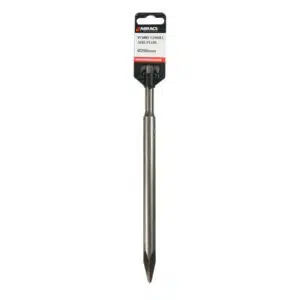
The size and shape of your chisel directly impact its effectiveness for different tasks. For instance, wider chisels excel at removing larger amounts of material quickly, while narrower chisels offer precision for detailed work. Choosing the right profile, such as a pointed or flat tip, will enhance your ability to tackle various masonry jobs efficiently.
Material and Durability
Your chisel’s material and durability are pivotal to its performance and longevity. High-carbon steel is a popular choice due to its exceptional hardness and resistance to wear, making it suitable for heavy-duty applications. Alternatively, chisels made from tungsten carbide offer greater resilience for intense work environments. Selecting a chisel with a robust build not only improves its lifespan but also ensures consistent results throughout your projects.
In addition to hardness, the material must withstand the high-impact nature of chiselling. For example, hardened steel tools may chip or blunt over time, diminishing their effectiveness. Consider brands that provide comprehensive information about their product specifications, such as tensile strength and resistance to temperature fluctuations. Enhancing your selection with tools engineered for specific tasks can improve your overall experience and productivity, ensuring your chiselling remains both efficient and effective.
How to Choose the Right Chisel
Selecting the correct chisel necessitates a careful evaluation of your specific project needs. Consider the material you are working with, whether it’s brick, concrete, or stone, as different chisels are tailored for varying densities and hardnesses. Additionally, think about the scale of your work; for extensive projects, a set of chisels may be required to tackle diverse tasks effectively.
Assessing the Project Requirements
To determine the appropriate chisel, start by assessing the scope of your project, including the type of masonry you will be working on and the desired finish. For intricate detailing, a narrower chisel may be needed, whereas larger jobs may require robust chisels designed for heavy-duty chiselling. Matching the chisel to your specific requirements ensures optimal performance.
Balancing Cost and Quality
It is important to strike a balance between cost and quality when selecting an SDS masonry chisel. While budget chisels may initially seem appealing, they can result in subpar performance and shorter lifespans, often leading to higher long-term costs. Investing in a high-quality chisel can enhance efficiency and yield better results, saving you time and frustration.
High-quality chisels often boast durable materials and superior craftsmanship, which contribute to their longevity and effectiveness. Opting for reputable brands may come at a slightly higher price, but the enhanced performance is worth the investment. For instance, a quality chisel can withstand rigorous use without chipping or dulling, while cheaper alternatives may require frequent replacements, ultimately escalating your expenses. By investing wisely, you ensure that your tools not only meet the immediate demands of your project but also serve you well in future undertakings.
Tips for Effective Usage
- Always select the right size for your chiselling task.
- Ensure your tool settings match the material for better performance.
- Maintain your chisel to prevent wear and ensure longevity.
- Stay focused on your work area to avoid accidents.
Recognising the importance of these tips will enhance your chiselling efficiency and safety.
Proper Technique
Using the correct technique is important for achieving optimal results. Position your chisel at an angle to the surface, applying firm, but controlled, pressure. Swing the hammer in a steady motion, ensuring that you’re using your body weight to assist rather than relying solely on arm strength. This approach will help prevent fatigue and improve accuracy in your cuts.
 Safety Precautions
 Safety Precautions
Prioritise safety when using SDS masonry chisels to prevent injuries. Always wear appropriate personal protective equipment such as safety goggles and gloves. Ensure that your workspace is clear of debris and distractions, as a clean area promotes better concentration. Additionally, inspect your tools before use to ensure they are in proper working order.
To further enhance safety, be sure to use a dust mask when chiselling dusty materials and consider ear protection if you’re working in a noisy environment. Familiarise yourself with your tool and its capabilities, ensuring you know how to operate it properly. Being aware of your surroundings and using tools correctly will greatly reduce the risk of accidents.
Maintenance of Your Chisel
To ensure the longevity and effectiveness of your masonry chisel, regular maintenance is imperative. Proper care not only enhances performance but also guarantees safety during use. Inspect your chisel frequently for any signs of wear, and take proactive steps to maintain its condition for optimal results.
Cleaning and Storing
After each use, clean your chisel to remove dust, debris, and any residues. A wire brush or cloth can be effective for this task. Store your chisel in a dry place, ideally in a toolbox or sheath to prevent rust and accidental damage. Proper storage will extend the life of the tool.
When to Replace
It’s vital to assess your chisel periodically for wear and deformation. A chisel should be replaced when the cutting edges become chipped or the tip is significantly worn down. This not only ensures better performance but also your safety as a worn chisel can lead to accidents or increased effort required during work.
Replacement is necessary when you notice diminished effectiveness, such as difficulty in penetrating materials that were previously manageable. Typically, if you find yourself applying excessive force, or if the chisel leaves rough edges rather than clean cuts, you should consider purchasing a new one. Regularly checking your tools can help avoid any disruption during your projects and maintain your productivity.
FAQ Section
Addressing common queries about SDS chisels helps you make informed decisions while selecting tools for your masonry projects. This section covers frequent questions and practical insights to ensure you choose the right chisel and troubleshoot any issues effectively.
Common Questions About SDS Chisels
Users often ask about the compatibility of various SDS chisels with different hammer drills. It’s important to verify that your vandalised chisels are compatible with your drill’s SDS system. Additional questions frequently include which chisel type is best for specific materials, and the answer lies in selecting chisels tailored to your project needs.
Troubleshooting Tips
Should you encounter issues during use, multiple factors could be at play. Addressing dull or damaged chisels can significantly enhance performance. Additionally, evaluating the power setting and ensuring correct technique may resolve complications during your project’s execution.
- Dull chisels can hinder effectiveness, leading to inefficient work.
- Incompatible chisels may damage your hammer drill or fail to perform.
- Incorrect technique can cause unnecessary wear on tools, impacting longevity.
- After ensuring you follow proper maintenance routines, you’ll enhance durability and performance.
For further troubleshooting, consistently check the chiselling depth and apply appropriate pressure to avoid damaging both the tool and the material. Ensuring your work area is organised can also prevent accidents and improve overall efficiency.
- Work area organisation aids in maintaining focus and safety.
- Pressure application must be even to ensure optimal chiselling.
- Maintenance checks before use can prevent major setbacks.
- After implementing these practices, expect smoother operations and optimal results.
Summing up
Drawing together the vital elements for selecting the right SDS masonry chisel, you should consider the material you’ll work with, the chisel type that best suits your needs, and the handle design for comfort and control. Assess your project requirements and personal preferences carefully to ensure optimal performance and efficiency. A well-chosen chisel will not only enhance your results but also make your task more manageable, ultimately contributing to the quality of your work.