
SDS tools are designed for effective penetration into hard materials, but to ensure your safety and optimal performance, it is important to employ the correct techniques when using an SDS masonry chisel. This guide will equip you with the knowledge required to handle your chisel confidently, minimising risks of accidents while maximising efficiency. Understanding the right posture, grip, and operating methods will establish a safer working environment, enhancing both your results and enjoyment of the task.
Key Takeaways:
- Always wear appropriate personal protective equipment (PPE) such as safety goggles and gloves when using an SDS masonry chisel.
- Ensure the chisel is correctly secured and compatible with the SDS drill before operation.
- Maintain a firm grip and stable stance to control the tool effectively and minimise the risk of accidents.
 Understanding SDS Masonry Chisels
 Understanding SDS Masonry Chisels
What is an SDS Masonry Chisel?
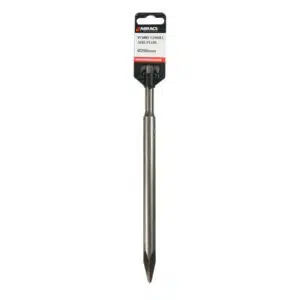
An SDS masonry chisel is a specialised tool designed for use with an SDS drill, allowing for effective chiselling of hard materials like brick, concrete, and stone. Its compatibility with SDS systems enables quick bit changes and ensures a secure fit during use, making it important for both professionals and DIY enthusiasts. The chisels come in various shapes and sizes, tailored for specific tasks such as chiselling, demolition, or installation work.
Key Features and Benefits
SDS masonry chisels boast several advantageous features that enhance your performance and safety. These chisels offer better vibration dampening, improved tool control, and the ability to withstand high-impact usage. Their hardened steel construction ensures durability, while the specific SDS design allows rapid bit changes. This combination significantly boosts productivity and efficiency in your tasks. Thou would experience fewer tool failures and improved precision.
- Quick-change system for effortless bit swapping
- Hardened steel construction for enhanced durability
- Vibration dampening technology to reduce fatigue
- Compatibility with various SDS drills for versatile use
- Range of shapes and sizes tailored for specific applications
In essence, the key features of SDS masonry chisels elevate your chiselling experience. The quick-change system not only speeds up your workflow but also minimizes downtime on the job. Vibration dampening technology ensures less strain on your hands, allowing for extended use without discomfort. With various shapes suitable for distinct tasks, these chisels provide the right tool for every job. Thou will find that the efficiency gained from using an SDS masonry chisel can lead to superior results in your projects.
- Ergonomic design for enhanced user comfort
- Multi-purpose functionality ideal for different materials
- Long-lasting performance due to high-grade materials
- Improved accuracy in chiselling and demolition tasks
- Cost-effective solution for extensive masonry work
How to Use an SDS Masonry Chisel
Using an SDS masonry chisel effectively requires both technique and safety awareness. Begin by ensuring your SDS drill is equipped with the appropriate chisel attachment, then position it at the desired angle against the masonry surface. Applying steady pressure will allow the tool to penetrate effectively, but be mindful to avoid excessive force that could lead to equipment damage or injury.
Preparing Your Workspace
 Preparing Your Workspace
Before starting, clear your workspace of any debris and obstacles that could pose hazards. Ensure your work area is well-lit and ideally, set up on a stable surface. Lay down a protective mat or tarp to catch any falling debris and consider using barriers to restrict access for bystanders while you work.
Proper Gripping Techniques
When using an SDS masonry chisel, employ a firm grip on the drill to maintain control. This involves using both hands; one on the trigger and the other on the handle or body of the tool. Position your hands optimally to reduce strain and improve manoeuvrability, ensuring to keep fingers away from moving parts.
To enhance your grip, adjust the position of your hands based on the task at hand. A staggered grip can improve leverage, particularly when chiselling at awkward angles. Focus on keeping your wrists straight and elbows slightly bent for better control. If you’re working on vertical surfaces, consider using body weight to assist, ensuring your feet are planted firmly to stabilise yourself and minimise the risk of slipping. Proper grip not only maximises efficiency but also enhances safety.
Tips for Safe Operation
To ensure your safety while using an SDS masonry chisel, always adhere to these important tips.
- Wear suitable personal protective equipment (PPE).
- Inspect tools before use for any signs of damage.
- Maintain a firm grip and proper stance during operation.
- Follow the manufacturer’s instructions closely.
- Keep work areas clear of debris.
Any lapse in attention can lead to serious injury.
Personal Protective Equipment (PPE)
Your safety begins with the right personal protective equipment (PPE). Always don safety goggles to protect your eyes from flying debris, and consider wearing ear protection due to the noise generated by the drill. Heavy-duty gloves are important for preventing hand injuries. Ensure your footwear is sturdy and non-slip to maintain traction while working. A hard hat may be necessary in construction environments to guard against falling objects.
Common Safety Precautions
Implementing common safety precautions is vital when using an SDS masonry chisel. Always inspect the area for hazards, ensuring no loose materials could cause slips or falls. Ensure that the workspace is well-lit to avoid accidents. Double-check that you are using the correct chisel for your task to prevent tool failure. Make sure others around you are aware of your activities and are at a safe distance.
In addition, make a habit of checking the SDS chisel and drill for any signs of wear before you start. If you detect any malfunction, such as unusual vibrations or overheating, stop immediately. It’s also wise to establish a clear communication protocol with anyone in your vicinity, which helps to avoid distractions and enhances safety awareness while operating the tool. Always prioritise your safety over completing a task quickly.
Factors Influencing Chisel Performance
The performance of your masonry chisel hinges on several key factors that directly affect its efficiency and effectiveness. These elements include the material type, chisel angle, and applied pressure. Understanding and optimising these factors will ensure you achieve the best results while minimising wear and tear on your tools. Any variation in these aspects can significantly impact your chisel’s overall performance.
Material Type
The material type you are chiselling plays a pivotal role in chisel performance. Harder materials like concrete or dense brick require a chisel made from tougher steel to withstand the increased impact without degradation. Conversely, softer materials might allow for a more flexible chisel, enhancing precision and reducing the risk of chipping. Always choose a chisel that matches the specific hardness of the material for optimal results.
Chisel Angle and Pressure
The chisel angle and applied pressure you utilise greatly affect how effectively the tool penetrates the material. Employing a steeper angle can result in sharper, more aggressive cuts, but may require more force and skill to control. Conversely, a shallower angle often allows for more manoeuvrability and less resistance but could lead to a less efficient cutting action. Maintaining an appropriate pressure applies directly to the angle; too much pressure can lead to chisel damage, while too little may elongate the task unnecessarily.
The combination of angle and pressure is critical in achieving consistent results. A 20 to 30-degree angle is often favourable for most chiselling tasks, encouraging effective penetration and minimising wear. You should aim to apply a steady, controlled pressure, adjusting based on the material’s resistance. If you’re chiselling through particularly tough surfaces, increase the pressure incrementally rather than applying it all at once; this approach not only preserves the chisel’s integrity but also enhances your control during the operation.
 Maintenance and Cleaning
 Maintenance and Cleaning
Regular maintenance and cleaning of your SDS masonry chisel are necessary to ensure its longevity and optimal performance. After each use, detach the chisel and clean off any debris, dust, or grease using a wire brush or cloth. This practice not only prevents rust but also keeps the cutting edge sharp, thereby improving efficiency in later applications.
Keeping Your Chisel in Shape
To keep your chisel in excellent condition, it is advisable to inspect the cutting edge frequently for any signs of wear or damage. Sharpen the chisel using a flat file or specialist sharpening tool when necessary, which aids in maintaining effective cutting performance. Regularly oil the exposed metal parts to prevent corrosion and enhance durability.
Storage Guidelines
Proper storage of your SDS masonry chisel significantly contributes to its lifespan and reliability. Ensure you store the chisel in a dry, temperate environment away from moisture, which can lead to oxidation. A dedicated tool box or rack designed for chisels is ideal, as it keeps them organised and reduces the risk of accidental damage.
When placing your chisel in storage, consider using blade guards or sheaths to protect the cutting edge from nicks and impacts. This simple measure helps maintain sharpness and prevents injury during handling. Additionally, labelling compartments or keeping an inventory of your chisels can assist you in quickly locating the right tool for each job while ensuring that all chisels are accounted for and stored safely.
Troubleshooting Common Issues
Even with proper usage, issues may arise when working with SDS masonry chisels. Understanding common problems and their solutions can ensure a smoother operation and maintain the tool’s effectiveness. Whether it’s penetration issues or chisel wear, knowing how to troubleshoot will enhance both safety and performance.
When the Chisel Won’t Penetrate
If your chisel fails to penetrate, it’s likely due to inadequate impact force or dullness. Ensure your tool is correctly fitted and that the SDS mechanism is secure. Additionally, you may need to evaluate the surface material; extremely hard concrete may require a more aggressive bit or additional technique adjustments.
Fixing Chisel Wear and Tear
Worn chisels can severely impact performance and safety. Regularly inspect your chisel for signs of damage, such as chips or dull edges. Sharpening the blade can restore its efficiency, while replacing severely worn tools is necessary to ensure your safety and desired outcomes during projects.
To consider repairs, use a proper sharpening tool designed for masonry chisels. Carefully follow the manufacturer’s guidelines to maintain the correct angle while sharpening, allowing you to bring back the sharpness without compromising the tool’s integrity. If chips or cracks appear, assess whether the damage is salvageable or if replacement is the safer choice. Regular maintenance, including cleanings and checks, prolongs the lifespan of your chisels, ultimately saving you time and resources.
To wrap up
Upon reflecting, utilising an SDS masonry chisel safely hinges on mastering proper technique. You must ensure your grip is firm yet relaxed, positioning yourself securely to avoid fatigue. Always ensure you wear appropriate personal protective equipment to shield yourself from debris. When working, maintain a steady rhythm and utilise the tool’s capabilities effectively, allowing its design to do the work for you. By incorporating these practices, you enhance both your safety and efficiency while achieving optimal results in your masonry projects.
FAQ
Q: What is the proper way to hold an SDS masonry chisel?
A: The chisel should be held firmly with one hand gripping the handle while the other hand stabilises the tool. Maintain a steady stance and avoid any awkward angles to ensure control during use.
Q: Are there specific safety gear requirements when using an SDS masonry chisel?
A: Yes, it is vital to wear safety goggles to protect your eyes from flying debris, ear protection to guard against noise, and gloves to ensure a secure grip and protect your hands from any potential injury.
Q: How can I ensure the chisel achieves effective cutting?
A: Position the chisel at the correct angle, typically around 20 to 30 degrees against the work surface. Apply consistent, moderate pressure rather than excessive force to facilitate efficient cutting without damaging the tool or workpiece.
Q: What maintenance is necessary for an SDS masonry chisel?
A: Regularly clean the chisel after use to remove dust and debris. Inspect the blade for any signs of wear or damage, and sharpen it as needed to maintain optimal cutting performance. Store the chisel in a dry place to prevent rust.
Q: Can I use an SDS masonry chisel on materials other than masonry?
A: It is advisable to use an SDS masonry chisel specifically for masonry applications. Using it on other materials can result in ineffective cutting and potential damage to both the chisel and the material being worked on.