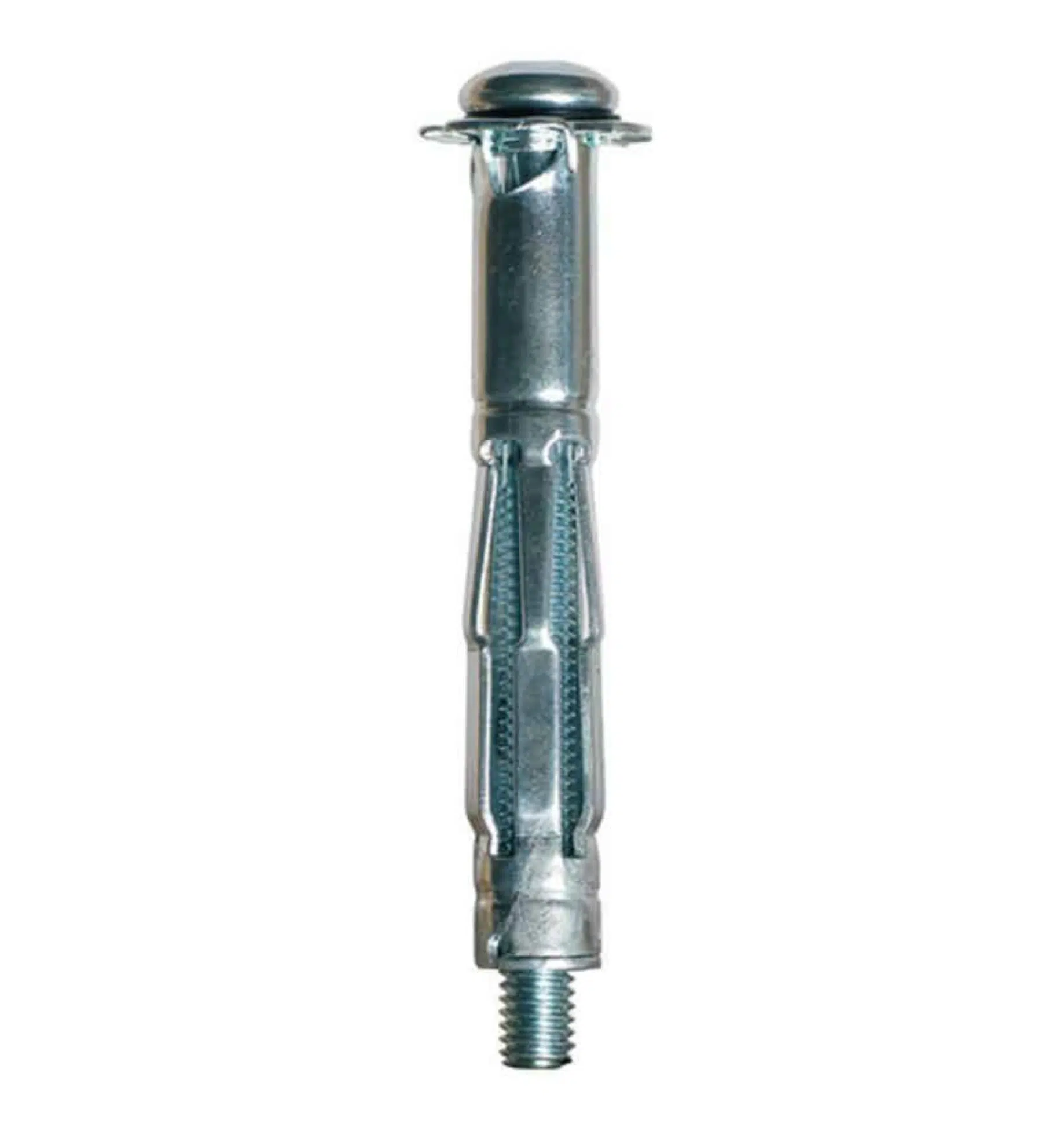
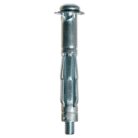
Metal Cavity Anchors Wall Fixings | Heavy-Duty Plasterboard & Hollow Wall Anchors
- High load capacity in plasterboard – metal expansion legs spread load behind the board for a strong, reliable fixing.
- Permanent hollow‑wall anchor – once set, the anchor forms a solid metal fixing point for repeated removal/re‑fitting of screws.
- Suitable for single & double board – works in standard and double‑layer plasterboard within recommended thickness ranges.
- Versatile applications – ideal for shelves, radiators, cupboards, TV brackets (within rating), mirrors, handrails and more.
- Compatible with setting tools – can be set using a dedicated cavity anchor setting tool or by tightening the screw.
Free shipping on orders over £60
- No-Risk Money Back Guarantee!
- No Hassle Refunds
- Secure Payments
Metal Cavity Anchors Wall Fixings – Heavy-Duty Fixings for Hollow Walls & Plasterboard
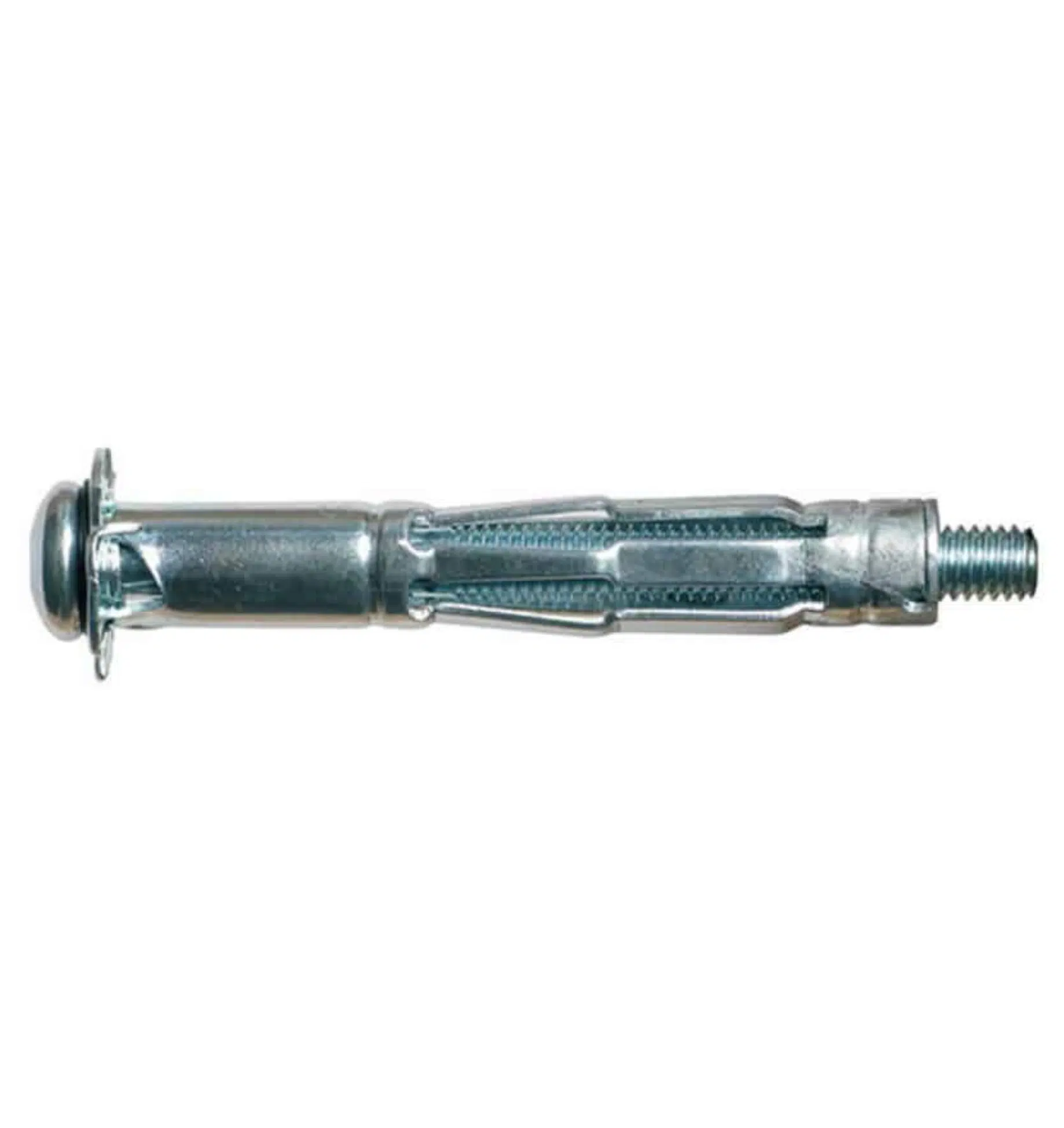
Metal Cavity Anchors Wall Fixings (often called metal cavity fixings or metal drywall anchors) are heavy‑duty, expansion‑type fixings designed for securely fixing into hollow walls and plasterboard. Made from steel, they expand behind the board to create a strong, permanent anchor – ideal for shelves, radiators, cabinets, brackets and other medium to heavy loads on plasterboard.
Metal Cavity Anchors Wall Fixings are engineered specifically for hollow wall constructions such as:
- Plasterboard / drywall on timber or metal studs
- Dot‑and‑dab plasterboard on masonry, where voids exist behind the board
- Some types of hollow or panelled walls (within thickness limits)
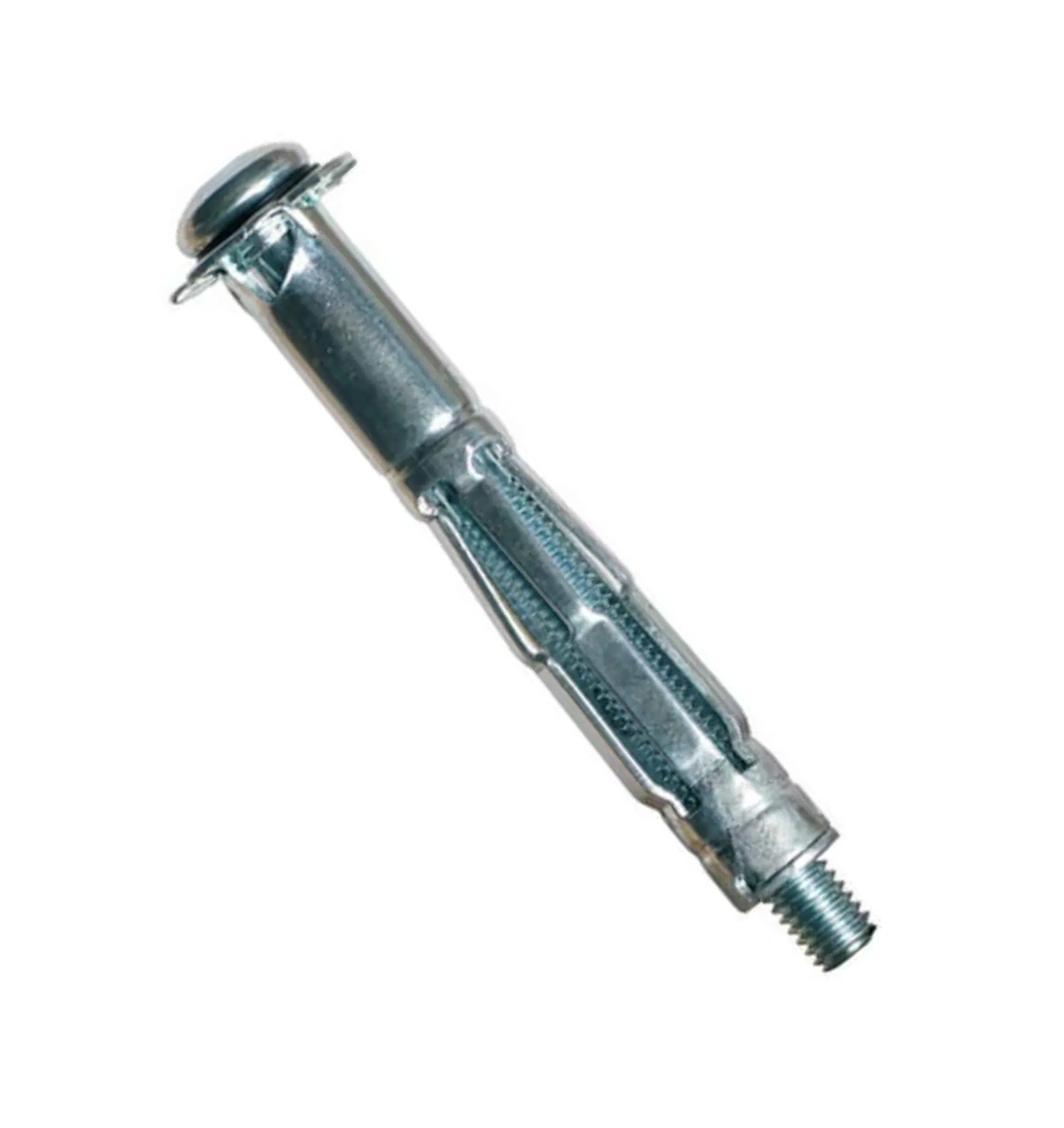
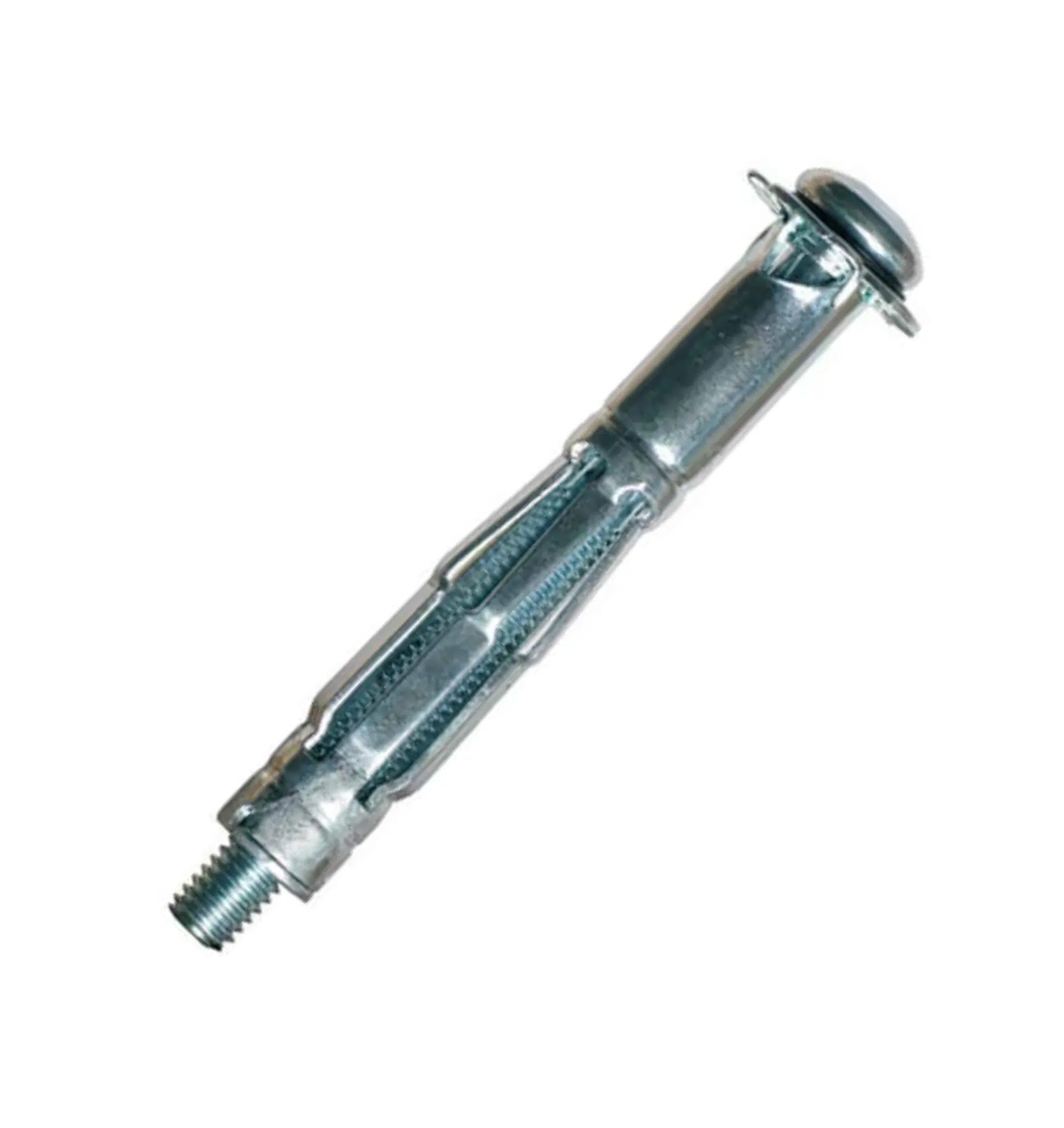
Each fixing consists of a metal body with multiple legs and an integrated flange, supplied with a matching machine screw (usually metric). The installation process is straightforward:
- Drill a clearance hole in the plasterboard.
- Insert the metal cavity anchor into the hole so the flange sits flush.
- Pre‑set the legs using a setting tool or by partially tightening the screw.
- Once set, the legs have folded and clamped behind the board, forming a solid anchor.
After setting, the screw can be removed and refitted multiple times (for example, when swapping brackets or adjusting fixtures) without compromising the anchor. This makes metal cavity anchors ideal when you need long‑term, serviceable fixings in plasterboard.
Always refer to the manufacturer’s load data and consider the board condition, thickness and number of fixings when supporting heavier loads.
Typical Use Cases
- Fixing shelves and shelf brackets to plasterboard walls.
- Mounting radiators, towel rails and heating panels (within rated loads).
- Hanging wall cabinets and cupboards on stud or cavity walls.
- Installing TV brackets (light–medium weight, check load ratings and use multiple anchors).
- Fixing handrails, grab rails, mirrors and heavy pictures.
Installation & Best Practice Tips
- Choose the right size:
- Select the anchor size based on the board thickness and screw diameter / fixture hole size.
- Common anchor sizes suit board thicknesses around 9.5–13mm (single) and up to around 26mm (double) – check packaging.
- Mark and drill:
- Mark fixing positions accurately using a level or template.
- Drill a clearance hole of the diameter specified for the anchor (e.g. 8, 10 or 12mm – refer to pack).
- Drill square to the surface for best performance.
- Insert the anchor:
- Push the anchor into the hole until the flange is tight against the board.
- If the hole is slightly loose, hold the anchor in place while starting to set it.
- Set the anchor:
- With a setting tool: Engage the screw head in the tool, squeeze to pull the screw and collapse the legs behind the board until tight.
- Without a tool: Tighten the screw with a screwdriver or drill/driver until you feel the anchor grip firmly. Then back the screw out for fitting your bracket.
- Fix the fixture:
- Place the bracket or fixture over the anchor position.
- Insert the supplied machine screw through the fixture into the anchor and tighten until secure – do not overtighten.
- Use multiple fixings for heavier loads:
- Spread the load across as many anchors as practical.
- Where possible, combine cavity anchors with fixings into studs or solid backgrounds for critical loads.
Always use a cable/pipe detector before drilling to avoid hidden services behind the plasterboard.
Metal Cavity Anchors Wall Fixings Features
- All‑metal construction – steel body and flange for strength and durability in hollow walls.
- Multi‑leg expansion design – legs fold out and clamp behind the board to provide a large bearing area.
- Integrated flange – sits flush to the plasterboard surface, preventing pull‑through and giving a neat finish.
- Supplied with machine screws – compatible screws (e.g. M4, M5) for easy fixture attachment.
- Reusable anchor point – once set, the anchor stays in place and the screw can be removed/re‑fitted.
- Compatible with setting tools – can be quickly set using a dedicated cavity fixing tool for speed on site.
- Available in assorted sizes – to suit different board thicknesses and load requirements.
Technical Information
- Product type: Metal cavity anchor (hollow wall fixing) with machine screw.
- Material: Typically zinc‑plated steel body and flange; steel screw (often zinc plated).
- Substrate: Plasterboard / drywall and hollow/panelled walls within thickness limits.
- Board thickness range: Common types suit approx. 9.5–13mm (single) and up to around 26mm (double) – verify specific product data.
- Anchor sizes: Typically defined by thread size and grip range (e.g. M4, M5; short/medium/long – see size chart on listing).
- Drill hole diameter: Depends on anchor size (e.g. ~8–12mm) – follow the manufacturer’s recommendation.
- Load capacity: Varies by size, board thickness and orientation – consult the manufacturer’s load table and apply suitable safety factors.
- Installation: Pre‑drill, insert, set with tool or screw, then fix with machine screw.
- Environment: Primarily for dry internal use. For damp/corrosive environments, consider corrosion‑resistant or stainless alternatives.
- Applications: Medium‑duty to heavy‑duty fixings in hollow walls, where strong, permanent anchors are required.
Always check the specific product packaging or datasheet for exact sizes, recommended drill diameters and safe working loads for each anchor type.
Frequently Asked Questions – Metal Cavity Anchors Wall Fixings
1. How strong are metal cavity anchors in plasterboard?
They provide a much higher load capacity than basic plastic plugs or simple plasterboard fixings, especially when used correctly and in sound, good‑quality board. Actual load ratings depend on anchor size, board thickness, fixing spacing and whether the load is shear or tension. Always follow the manufacturer’s load data and use multiple anchors for heavier items.
2. Do I need a special setting tool?
A cavity anchor setting tool makes installation faster and more consistent, especially for frequent or professional use. However, you can also set most anchors by tightening the supplied screw until the legs have fully expanded and gripped behind the board, then backing the screw out to fit your bracket.
3. Can I use metal cavity anchors in solid brick or concrete?
No. These fixings are designed for hollow cavity walls. In solid masonry, use standard wall plugs, sleeve anchors or through‑bolts appropriate for the substrate.
4. Are they suitable for fixing a TV bracket?
Possibly – for smaller, lighter TVs and brackets, using multiple cavity anchors may be acceptable. For heavier TVs, best practice is to fix into studs or solid backgrounds or use a bracket/system specifically designed and rated for your wall construction. Always consider manufacturer guidance, load ratings and safety margins.
5. Can the anchors be reused if I remove them?
Once set, the anchor body stays in the wall as a permanent fixing point. The screw can be removed and refitted many times to change or adjust fixtures. If the anchor body itself is removed, it usually cannot be reused, and the hole may need to be filled and redrilled in a new position.
Metal Cavity Anchors Wall Fixings Common Uses / How to Use
Common Uses
- Mounting shelves, cupboards and cabinets to plasterboard walls.
- Fixing radiators, convectors and towel warmers (within rated loads).
- Installing TV brackets, audio equipment and wall units.
- Hanging heavy mirrors, pictures and decorative panels.
- Securing handrails, grab rails and supports on drywall (always assess load and safety requirements).
How to Use – Step‑By‑Step Summary
- Mark positions: Mark drilling points using a level and tape measure, ensuring cable/pipe routes are avoided.
- Drill holes: Drill the specified hole diameter straight through the plasterboard at each mark.
- Insert anchors: Push each metal cavity anchor into its hole until the flange is snug against the board.
- Set anchors: Use a cavity setting tool or tighten the supplied screw until the anchor legs fully expand and clamp behind the board. Then remove the screw if necessary.
- Position fixture: Offer up the bracket, rail or fixture, aligning its holes with the anchors.
- Install screws: Insert the machine screws through the fixture into the anchors and tighten until secure.
- Final check: Test the fixing gently by applying load gradually before placing the full weight on the installation.
| Size | M4 (8mm Hole), M5 (10mm Hole), M6 (11mm Hole), M8 (14.5mm Hole) |
|---|---|
| Length | 23.5mm (30mm Screw), 35mm (41mm Screw), 40mm (46mm Screw), 49mm (65mm Screw), 60mm (67mm Screw), 37mm (46mm Screw), 50mm (57mm Screw), 63mm (70mm Screw), 80mm (88mm Screw), 66mm (73mm Screw), 53mm (60mm Screw) |
Shipping Policy
 At Always First 4 Fixings, we know that your projects rely on fast, dependable delivery. That’s why we offer flexible UK shipping options designed for tradespeople and businesses:
Fast Dispatch: Orders are processed and dispatched within 24 hours on working days.
Free shipping on all orders over £60 (UK mainland).
Express options available to keep your jobs moving.
Click & Collect: Order online and pick up at your convenience (if applicable).
Reliable Couriers: We use trusted UK carriers to ensure your fixings and fasteners arrive on time.
You’ll receive tracking details as soon as your order leaves our warehouse. Delivery times may vary depending on location and availability, but we work hard to get your order to you as quickly as possible.
At Always First 4 Fixings, we know that your projects rely on fast, dependable delivery. That’s why we offer flexible UK shipping options designed for tradespeople and businesses:
Fast Dispatch: Orders are processed and dispatched within 24 hours on working days.
Free shipping on all orders over £60 (UK mainland).
Express options available to keep your jobs moving.
Click & Collect: Order online and pick up at your convenience (if applicable).
Reliable Couriers: We use trusted UK carriers to ensure your fixings and fasteners arrive on time.
You’ll receive tracking details as soon as your order leaves our warehouse. Delivery times may vary depending on location and availability, but we work hard to get your order to you as quickly as possible.
Returns Policy
We want you to be fully confident when ordering from Always First 4 Fixings. If your supplies aren’t right for any reason, we make returns straightforward: Return unused and undamaged items in original packaging within 30 days. Don’t forget your proof of purchase or order confirmation. Once we receive your return, we’ll process your refund or exchange promptly. Certain items may have specific exclusions or conditions—please read our detailed returns policy or contact us if you have questions. Our team is always here to help ensure you get exactly what you need for the job.Related products
-

30mm Flat Plastic Packers | Compact Levelling & Packing Shims
£3.02 £30Price range: £2.52£3.02 through £25£30 Excl. VATIncl. VAT -
Metal Speed Plug Plasterboard Fixing | Self-Drill Metal Plasterboard Anchor with Screw
£1.62 £8.10Price range: £1.35£1.62 through £6.75£8.10 Excl. VATIncl. VAT -
Timberfix Multi Purpose Screws | Strong, Fast Fixings for Everyday Joinery
£0.52 £14.20Price range: £0.43£0.52 through £11.83£14.20 Excl. VATIncl. VAT -
Unifix Twinthread Wood Screws | General-Purpose Countersunk Woodscrews
£0.67 £6.37Price range: £0.56£0.67 through £5.31£6.37 Excl. VATIncl. VAT -
Timberfix Twinthread Wood Screws | General-Purpose Countersunk Woodscrews
£0.67 £6.22Price range: £0.56£0.67 through £5.18£6.22 Excl. VATIncl. VAT