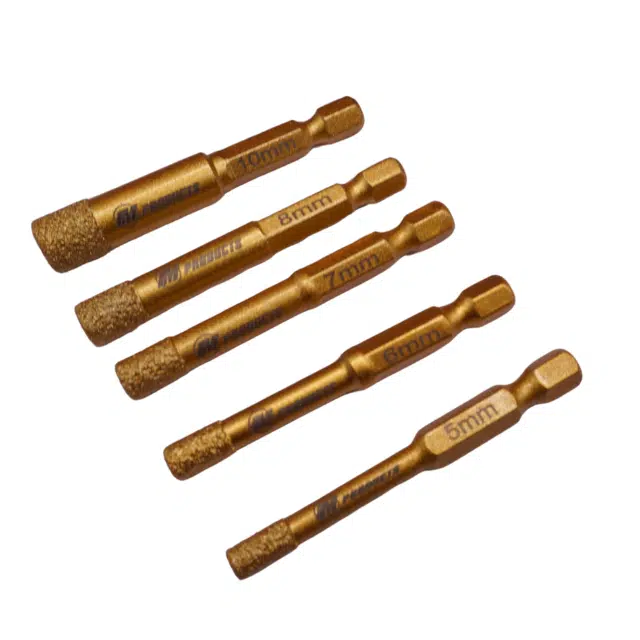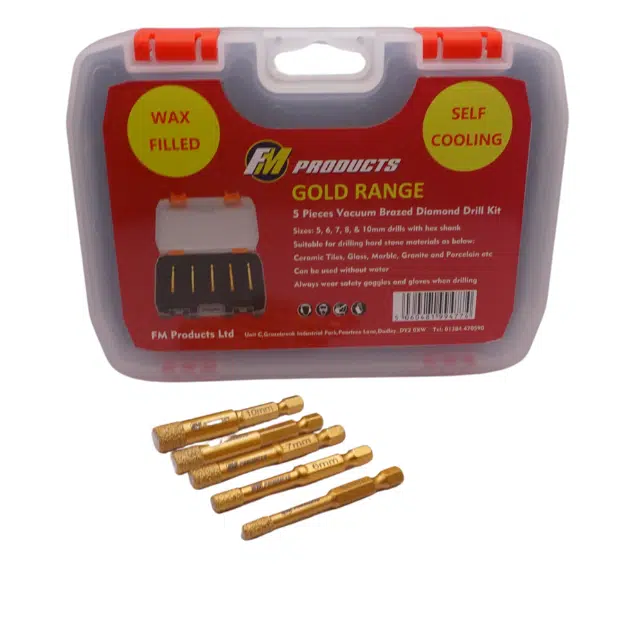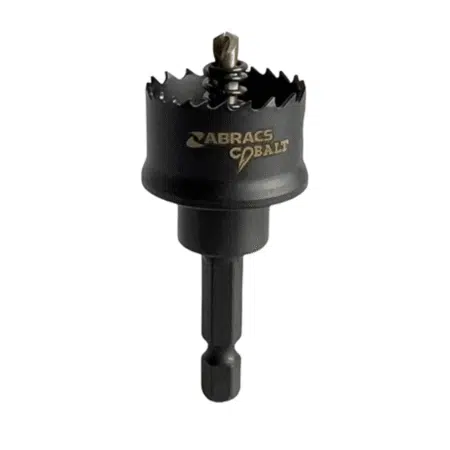

Tools are an investment that deserves proper care to ensure their longevity and performance. By applying these maintenance tips, you can effectively prolong the life of your drills and drivers, ensuring they operate safely and efficiently. Regularly cleaning, lubricating, and inspecting your tools will help you identify potential issues before they escalate, reducing the risk of breakages. Follow these guidelines to maintain peak performance and get the most out of your power tools.
Key Takeaways:
- Regularly clean and lubricate drills and drivers to prevent wear and tear.
- Store power tools in a dry, safe environment to avoid damage from moisture and dust.
- Inspect and replace worn parts promptly to maintain optimal performance.
Understanding Your Power Tools
A comprehensive understanding of your power tools enhances your efficiency and safety. Knowing the various types available allows you to choose the right tool for the job, ensuring optimal performance and longevity. Typically, drills and drivers are designed for specific functions, which makes it vital to select the appropriate model for your projects.
Types of Drills and Drivers
- Cordless Drills – Portable and versatile, ideal for various tasks
- Hammer Drills – Suitable for tough materials like masonry
- Impact Drivers – Perfect for driving screws with high torque
- Rotary Hammers – Designed for heavy-duty drilling in concrete
- Hammerless Drills – Good for light tasks, offering precision
Thou should select a drill or driver based on the specific demands of your project.
| Type | Description |
| Cordless Drill | Battery-powered, offering mobility |
| Hammer Drill | Ideal for drilling into concrete |
| Impact Driver | Provides high torque for screws |
| Rotary Hammer | Used for heavy-duty tasks |
| Pistol Grip Drill | Standard drill for everyday use |
Key Components and Their Functions
The efficacy of your drills and drivers depends on understanding their key components and functions. This includes the motor, which provides power, and the chuck, which secures the bit. Additionally, the gearbox affects speed and torque delivery, while the clutch allows you to control torque levels for different materials. Each component plays a significant role in ensuring your tool operates effectively and safely.
For instance, the motor typically ranges from 400 to 1000 watts, impacting both performance and battery life. The chuck, which holds the bit in place, can be key in making quick adjustments or swapping bits efficiently. The gearbox is crucial for delivering variable speeds, allowing you to adapt to different materials. A well-maintained clutch not only prevents over-tightening but also prolongs the life of your screws and materials. Understanding these components enables you to optimise your tool usage and ensure safety during operation.
Essential Maintenance Practices
To ensure longevity and peak performance from your drills and drivers, implementing crucial maintenance practices is key. Regular upkeep not only enhances efficiency but also prevents costly repairs. You should adopt a routine that incorporates cleaning, lubrication, and inspection to keep your tools in optimal condition. This proactive approach will help you avoid unexpected tool failures. When it comes to tool maintenance best practices for equipment, it’s essential to tailor your routine to the specific tools you use. Pay attention to manufacturer guidelines, as they often provide invaluable insights on proper care. By committing to these best practices, you can significantly extend the life of your tools and enhance their performance on the job.
Regular Cleaning Techniques
Keeping your power tools clean should be a fundamental habit. After each use, wipe down the exterior with a damp cloth to remove dust and debris. For intricate parts, consider using a soft brush or compressed air to dislodge particles from crevices. Regular cleaning not only prevents build-up but also extends the lifespan of your tools. This practice fosters a reliable working environment.
Lubrication Tips for Optimal Performance
Lubrication plays a vital role in maintaining the performance of your electric drivers and drills. Use the appropriate lubricant recommended by the manufacturer for gears and moving parts, applying it according to the product guidelines. Proper lubrication reduces friction, prevents overheating, and enhances tool efficiency. This ensures that you get the best performance from your equipment.
- Lubrication is crucial for efficiency.
- Use manufacturer-recommended products to prevent damage.
- Frequent inspections help in identifying lubrication needs.
- This routine will prolong the life of your power tools.
Lubricating your tools adequately can significantly affect their operational efficiency and longevity. Tools that are regularly serviced typically exhibit smoother operation and reduced noise levels. Pay close attention to areas where wear is most likely to occur, such as bearings and trigger mechanisms. Applying lubricant in these areas will maintain optimal performance and safeguard against premature wear. This attention to detail greatly enhances tool reliability.
- Monitor wear for timely lubrication.
- Smooth operation is a sign of proper maintenance.
- Keep lubricant handy to encourage regular servicing.
- This habit fosters a more effective working environment.
Battery Care and Management
Proper battery care significantly influences the performance and lifespan of your power tools. Regular maintenance helps keep batteries functioning efficiently, reducing the need for replacements and ensuring your drills and drivers remain operational for longer periods. Adopting effective charging techniques and understanding storage practices allows you to maximise the longevity of your battery, leading to better overall performance of your tools.
Charging Best Practices
Optimal charging of your batteries enhances their lifespan and efficiency. Always use the manufacturer’s charger to avoid damage, and avoid letting your battery drop below 20% before recharging. Aim to charge your batteries in temperatures ranging from 10°C to 30°C for best results, as extreme conditions can negatively affect their capacity.
Storage and Lifespan Considerations
Storing your batteries correctly can prevent degradation over time. Keep them in a cool, dry place, ideally at around 20°C. Avoid leaving batteries in tools for extended periods of inactivity, which can cause a slow drain. Additionally, ensure the terminals are clean to prevent corrosion.
On extending the lifespan of your batteries, regularly check their condition and clean any dirt or debris from the terminals to maintain connectivity. Ideally, you should store batteries at around a 40% charge if you plan on not using them for a while, as this helps to stave off capacity loss. Double-check that they are out of direct sunlight and away from extreme temperatures, as overheating can lead to irreversible damage. Additionally, consider investing in a temperature-controlled storage solution if you have a significant number of batteries to protect. These practices significantly enhance performance and longevity, saving you money in the long run.
Inspecting and Replacing Parts
Regularly inspecting and replacing parts of your drills and drivers will significantly enhance their lifespan and performance. Examine components such as brushes, chucks, and gears for any signs of wear or damage. Performing these checks at intervals, ideally as part of your routine maintenance schedule, can save you from costly repairs and ensure your tools operate at their best. Keep replacement parts handy for when you notice deterioration, maintaining optimal functionality with minimal downtime.
 When to Replace Brushes and Chuck
 When to Replace Brushes and Chuck
Brushes should typically be replaced when they become worn down to about 6mm in length. A malfunctioning chuck, evidenced by difficulty in gripping bits securely, signals the need for replacement to ensure safety during use. Prompt attention to these components helps to maintain efficiency and prevents further tool damage.
Identifying Signs of Wear
Recognising signs of wear before they lead to tool failure is vital for effective maintenance. Check for overheating, unusual noises, decreased power, or excessive vibration during operation. These symptoms often indicate that components are nearing the end of their life and require replacement. Paying attention to operational changes can prevent inconvenient breakdowns and prolong your tools’ lifespan.
Specific signs of wear may include frequent stalling or reduced speed, which often suggest that your tool’s brushes are near the limit of their life. Additionally, inspect the chuck for cracks or deformation, as this can impair its ability to hold bits firmly, presenting safety hazards. Regular maintenance checks targeting these issues allow you to address problems proactively and keep your drills and drivers functioning optimally.
Safe Handling and Operation
Your safety is paramount when operating power tools. Adhering to safety protocols reduces the risk of accidents and injuries. Always maintain a firm grip on your drill or driver and ensure your work area is clean and free from hazards. Be mindful of your surroundings, especially when working in tight spaces, and avoid distractions that could compromise your focus.
Safety Gear and Precautions
Wearing appropriate safety gear is imperative for protecting yourself while using power tools. Equip yourself with safety glasses to shield your eyes from debris, gloves to enhance your grip, and ear protection when operating loud tools. Additionally, consider wearing a dust mask when working with materials that create airborne particles, ensuring you minimise health risks.
Proper Usage Guidelines
Familiarise yourself with the manual provided with your drills and drivers, as it contains specific usage instructions and safety information. Using the tool as intended maximises efficiency and reduces the likelihood of damage. Adjust settings according to the material you’re working with, and avoid forcing the tool beyond its designed capacity.
Understanding the specifications of each tool plays a significant role in extending its lifespan. For instance, operating a drill at high speeds on hardwood without considering its torque settings can lead to overheating. Always check the power rating and performance limits outlined in the manual. Using the appropriate drill bits for each task not only ensures smooth operation but also prevents unnecessary wear. By adhering to these detailed guidelines, you safeguard both your safety and the longevity of your equipment.
Troubleshooting Common Issues
Power tools can encounter a variety of problems, often stemming from improper maintenance or usage. By promptly recognising these issues, you can save time and money in repairs. Typical problems include unusual noises, overheating, or ineffective drilling. Conducting a thorough inspection and routine checks can keep your tools performing optimally when issues arise.
Identifying Problems
To address issues effectively, you must first identify them. Unusual sounds, reduced power, or excessive vibrations often signal underlying problems. Check the drill bits for wear and tear, as well as ensuring the battery is adequately charged. Observing these symptoms early helps prevent minor problems from escalating into major repairs.
Simple Fixes and Solutions
Many common power tool problems can be solved with simple fixes. If your drill is sluggish, try replacing a worn-out bit or ensuring the battery is properly charged. A loose chuck can often be tightened by hand or with a tool. Additionally, regular cleaning of vents and internal components can prevent overheating and extend tool life.
For instance, if your drill is not rotating correctly, inspect the clutch settings, as incorrect settings can affect performance. Changing worn bits not only improves efficiency but also mitigates stress on the motor. Keeping your drill free from debris and ensuring all screws are tightly fastened can resolve many operational hiccups. Regularly updating your tool’s firmware, if applicable, can enhance performance and address minor glitches seamlessly. These straightforward interventions can rejuvenate your equipment, ensuring it runs smoothly for years to come.
Conclusion
So, by following these power tool maintenance tips, you can significantly prolong the life of your drills and drivers. Regularly cleaning, inspecting, and properly storing your tools ensures they perform at their best and remain reliable for all your projects. Additionally, investing time in routine maintenance can save you money in the long run, preventing costly repairs or replacements. Your tools deserve the care that will keep them functioning well for years to come.
FAQ
Q: How often should I clean my power tools?
A: It is recommended to clean your power tools after each use. Remove dust and debris from the exterior and ensure that ventilation openings are free from blockages. For more thorough cleaning, disassemble parts according to the manufacturer’s guidelines periodically.
Q: What is the best way to store my drills and drivers?
A: Store your drills and drivers in a cool, dry place away from direct sunlight. Use a tool cabinet or a dedicated storage box to protect them from moisture and impact. Make sure to remove batteries when storing cordless tools for extended periods.
Q: How can I prolong the battery life of my cordless drills?
A: To extend the battery life, avoid letting it discharge completely before recharging. Store batteries in a cool environment and charge them using the recommended charger. Additionally, avoid overcharging to maintain optimal battery health.
Q: Are there specific lubricants I should use for my power tools?
A: Use lubricants specifically designed for power tools, such as light machine oil, to maintain moving parts. Avoid using WD-40, as it can attract dust and dirt. Always consult your tool’s manual for recommendations on the appropriate lubricant.
Q: How do I ensure my drill bits remain sharp?
A: To keep your drill bits sharp, use a sharpening stone or a bit sharpener regularly. Avoid applying excessive pressure while drilling, as this can dull the bits faster. Additionally, clean your bits frequently to remove built-up material that can affect performance.