
You can achieve a professional-quality finish on your wood and metal projects by using Abracs sanding discs effectively. This guide will provide you with vital tips on selecting the right discs, operating your tools correctly, and achieving that smooth, polished surface you desire. Whether you’re a beginner or an experienced craftsman, mastering the use of these sanding discs will enhance your work and elevate the final outcome of your projects.
Key Takeaways:
- Choose the appropriate grit level of Abracs sanding discs for the desired finish on wood or metal surfaces.
- Utilise a consistent and steady pressure while sanding to achieve an even finish without damaging the material.
- Incorporate proper safety gear, such as masks and goggles, to protect against dust and debris during the sanding process.
 Understanding Abracs Sanding Discs
 Understanding Abracs Sanding Discs
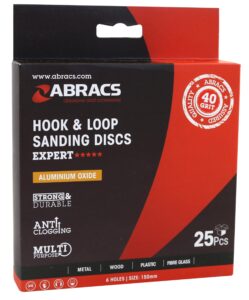
Abracs sanding discs are designed to deliver high performance for wood and metal finishing. These discs come in various types and materials, tailored to suit diverse applications, ensuring you can achieve your desired surface finish with ease. Understanding the different options available will enable you to select the right product for your specific needs.
Overview of Sanding Disc Types
Abracs offers several types of sanding discs to accommodate different tasks. The main categories include:
- Aluminium oxide discs for general purpose sanding
- Ceramic discs for heavy-duty applications
- Silicon carbide discs for finer finishes
- Velcro-backed discs for easy attachment and removal
- The discs are designed to suit grinders, sanders, and polishers, enhancing your efficiency.
| Type of Disc | Ideal Use |
| Aluminium oxide | General sanding |
| Ceramic | Metalwork |
| Silicon carbide | Finishing work |
| Velcro-backed | Versatile applications |
Choosing the Right Grit for Your Project
Selecting the appropriate grit for your project is integral to achieving the desired finish. The grit number indicates the coarseness of the abrasive: lower numbers are more abrasive for removing material rapidly, while higher numbers are finer, suitable for smoothing and finishing surfaces.
For instance, if you’re starting with rough, unfinished wood, a 60 or 80-grit disc will be effective for initial shaping and surface preparation. Conversely, if you’re striving for a fine finish on a softwood, using a 220-grit disc is advisable. It’s beneficial to gradually move through the grits; start with rougher discs and progress to finer options for a smoother finish. This layered approach ensures effective material removal without damaging the surface quality of your workpiece.
How to Use Sanding Discs Effectively
Utilising sanding discs effectively requires a blend of preparation, technique, and the right tools. By understanding the specifics of your project and following best practices, you can achieve a professional finish on both wood and metal surfaces. Adjust your approach based on the material and the desired outcome, ensuring you maximise the longevity of the sanding discs while minimising effort.
Preparing the Surface
Before you begin sanding, ensure that the surface is clean, dry, and free from any debris or contaminants. Removing dust, grease, and old finishing materials will enhance the efficiency of the sanding process, allowing for a smoother finish and preventing uneven abrasion. Inspect the surface for any imperfections that may require attention before proceeding.
Proper Techniques for Sanding Wood
When sanding wood, always work with the grain to prevent scratches and achieve an even finish. Start with a coarser grit to remove imperfections and gradually transition to finer grits for a smooth surface. Keep your movements consistent and light to avoid gouging the wood. A sanding block can help maintain an even pressure across larger areas.
For optimal results, begin with 80-grit sanding discs to eliminate rough spots and irregularities in the wood. Follow up with a 120-grit disc to refine the surface before finishing with a 220-grit disc for a silky smooth final texture. Dust off between grits to prevent clogging and always check your progress in natural light to ensure an even finish.
Techniques for Sanding Metal
Sanding metal involves distinct techniques compared to wood. Always choose the appropriate grit based on the metal’s condition; start with a tougher grit to remove rust or old paint, then progress to finer grits for a polished finish. Use steady, controlled strokes to avoid overheating or warping the metal surface.
Utilise an orbital sander for larger surfaces, as this helps maintain a consistent finish without too much pressure. For intricate details or edges, hand sanding with a flexible disc can be more effective. Keep the sanding disc perpendicular to the surface and ensure adequate cooling by allowing time between sanding sessions, particularly on thicker metals to avoid heat damage.
 Tips for Achieving the Perfect Finish
 Tips for Achieving the Perfect Finish
Achieving a flawless finish requires attention to detail and the right techniques. Start by ensuring your surface is clean and free of debris before you begin sanding. Always sand in the direction of the grain, and don’t rush the process; patience yields better results. Regularly check your sanding discs for wear and replace them when necessary to maintain efficiency. Consider using a vacuum attachment to minimise dust, which can compromise the finish. Knowing these tips will enhance your final results significantly.
- Use appropriate grit for each stage of sanding.
- Sand in the direction of the grain.
- Maintain a consistent pressure.
- Keep your workspace clean and dust-free.
- Regularly inspect and replace your sanding discs.
Common Mistakes to Avoid
Avoiding common pitfalls can greatly improve your finish. One major mistake is using too coarse a grit for the final sanding, which can leave scratches. Skipping grits or failing to adequately prepare the surface often results in uneven finishes. Additionally, not allowing sufficient drying time between coats can lead to unsatisfactory adhesion and a dull appearance. Being aware of these mistakes will allow you to achieve a more polished outcome.
Maintenance of Sanding Discs
Proper maintenance of your sanding discs is vital for longevity and performance. Clean your discs regularly to remove dust and debris that can clog the abrasive surface. Store them in a dry, cool area to prevent degradation, and avoid folding or bending them as this can damage their structure. Periodically check for signs of wear, such as fraying or loss of grit, and replace them as needed to ensure optimal results with every sanding project.
To extend the life of your sanding discs, consider using a disc cleaner or cleaning block specifically designed for abrasive materials. This proactive approach removes the built-up dust and resin that can compromise the effectiveness of your disc, preserving its cutting ability. Regular maintenance not only enhances performance but also saves you money in the long run by reducing the frequency of replacements. Keep track of usage for each disc to maintain optimal efficiency in your sanding projects.
 Factors Influencing Sanding Results
 Factors Influencing Sanding Results
Multiple factors can affect the results you achieve when using Abracs sanding discs. These include the type of material, grit selection, technique, and environmental elements. Understanding these components will enable you to optimise your sanding process for superior outcomes. Some key considerations are:
- Material type
- Grit level
- Sanding technique
- Humidity and temperature
After considering these factors, you’ll be better equipped to select the right approach for your project.
Type of Material
The type of material you’re working with greatly influences the sanding process. Different surfaces, such as hardwood, softwood, or metal, require specific grit levels and disc types. For instance, while hardwood might need finer grits to avoid damage, metals often benefit from more aggressive grits to quickly remove material. Tailoring your sanding approach to your material will yield a better finish.
Environmental Considerations
Environmental factors like humidity and temperature play a significant role in the sanding process. High humidity can cause wood to swell, which may affect the effectiveness of your sanding. Conversely, low temperatures can make surfaces less pliable, leading to a rougher finish. Monitoring these conditions will help ensure adequate results.
Additionally, temperature fluctuations can alter the properties of adhesives and finishes, affecting how sanding interacts with these materials. For instance, in colder environments, paint may dry more slowly, leading to a greater likelihood of smearing during sanding. Ensuring a stable environment while you work will enhance your results and prolong your sanding discs’ effectiveness.
 Safety Precautions When Sanding
 Safety Precautions When Sanding
When sanding, prioritising safety is crucial to ensure both your well-being and the quality of your work. Dust and particles generated during sanding can be harmful, therefore it’s vital to adopt safety measures that protect your health and maintain a safe work environment.
Personal Protective Equipment (PPE)
Utilising the correct personal protective equipment (PPE) is fundamental when sanding. This includes safety goggles to shield your eyes from dust, a dust mask or respirator to filter harmful particles from the air, and ear protection to minimise noise exposure. Additionally, wearing gloves can protect your hands from abrasives and sharp edges.
Best Practices for Safe Operation
Avoiding accidents while sanding involves following best practices for safe operation. Ensure your workspace is well-ventilated, free from clutter, and that you secure the material you are sanding to prevent movement. Adjust the speed and pressure of your sanding discs according to the material type to avoid overheating and maximise effectiveness. Always inspect your equipment before use, as defective tooling can lead to injuries.
Establishing a system for managing dust and debris enhances safety and efficiency. Position vacuums or dust extraction systems nearby to collect particles as you work, reducing inhalation risks and improving visibility. Regularly check your equipment for wear, replacing sanding discs once they show signs of dullness or damage, which not only aids in achieving a better finish but also safeguards your health during operation. A disciplined approach to safety can significantly impact the overall success of your sanding projects.
Troubleshooting Common Issues
If you encounter issues such as uneven sanding or excessive disc wear, it’s often due to incorrect speed settings or pressing too hard on the material. Adjusting your approach—like using a lighter touch and the right RPM for the material—can help mitigate these problems. Regularly inspecting your discs for damage or wear will also contribute to better outcomes.
Expert Recommendations
For optimal results, consider using Abracs discs with varying grits tailored to specific tasks. Start with a coarse grit for heavy material removal, followed by medium grit for smoothing, and finish with fine grit for that perfect polish. Additionally, maintaining a consistent speed and even pressure during sanding will prevent material burn and ensure a uniform finish.
Expert users often recommend having a range of grits on hand to adapt to different conditions. For example, when refinishing furniture, beginning with a 60-grit disc for removal and progressing to an 180-grit for finishing often yields the best results. Moreover, choosing the correct back-up pad compatible with your sanding disc and tool maximises performance and extends the life of both the disc and your equipment. This tailored approach to material selection enhances efficiency and the quality of your finish significantly.
Final Words
On the whole, achieving a perfect finish with Abracs sanding discs for wood and metal hinges on your technique and choice of grit. By selecting the appropriate disc for your project and applying steady pressure, you enhance the sanding process for optimal results. Regularly checking your progress ensures an even finish, while switching grits as needed allows for smoother surfaces. With practice and attention to detail, you can elevate your woodworking and metalworking projects to a professional standard.
FAQ
Q: What types of sanding discs are available from Abracs for wood and metal?
A: Abracs offers a variety of sanding discs suited for different applications. For wood, there are discs designed for a finer finish and those for heavy material removal. For metal, options include discs that are abrasive specifically for ferrous and non-ferrous materials.
Q: How do I choose the right grit for my project?
A: The choice of grit depends on the nature of the task. For initial sanding and material removal, a coarser grit (like 40 or 60) is effective. For finishing touches, a finer grit (like 120 or 240) is recommended to achieve a smooth surface.
Q: Can I use the same sanding discs for both wood and metal?
A: While some discs can be used for both wood and metal, it is advisable to use specific discs for each material to ensure optimal performance and finish quality. Wood sanding discs typically feature different backing and abrasives compared to metal discs.
Q: What is the recommended speed for using Abracs sanding discs?
A: The recommended speed depends on the specific sanding disc and the material being worked on. Generally, lower speeds (around 2,000 to 3,000 RPM) are preferable for softer materials like wood, while faster speeds (up to 10,000 RPM) may be used for harder materials like metal.
Q: How can I maximise the lifespan of my sanding discs?
A: To maximise the lifespan of your sanding discs, ensure proper technique by applying even pressure and avoiding excessive force. Regularly clean the discs to remove dust and debris, and store them in a cool, dry place to prevent damage.