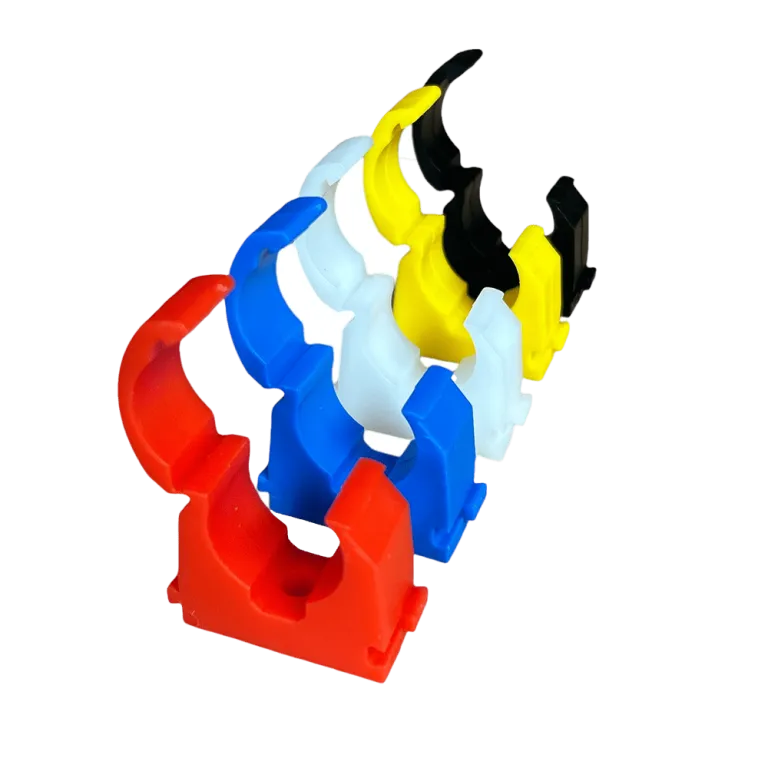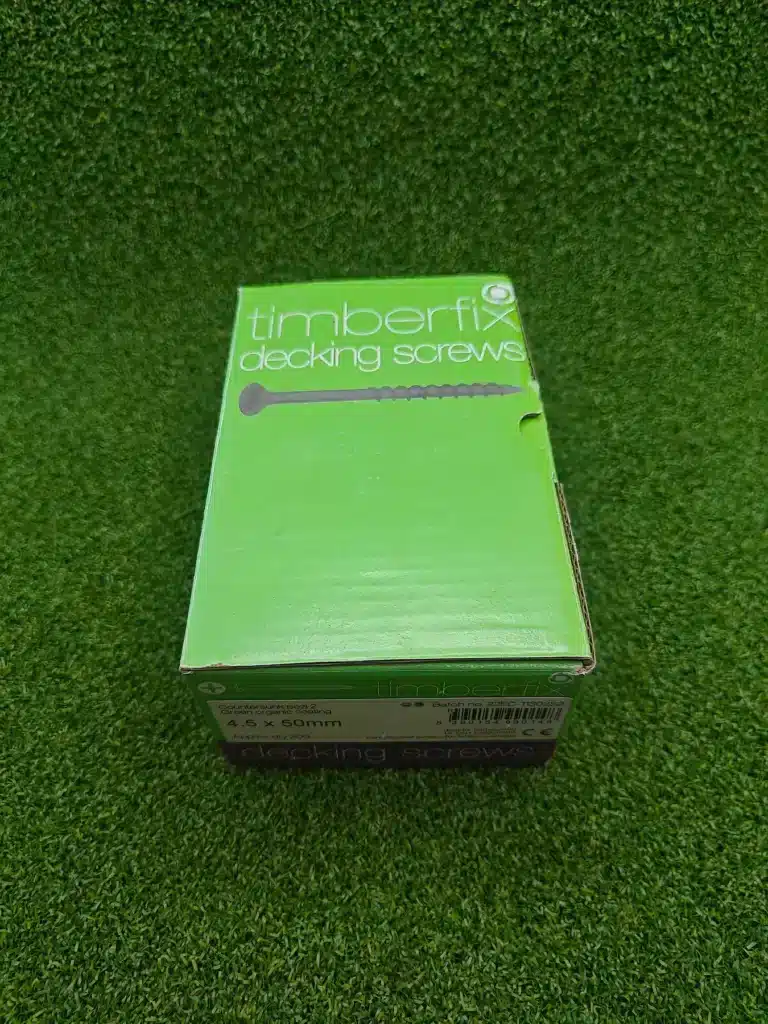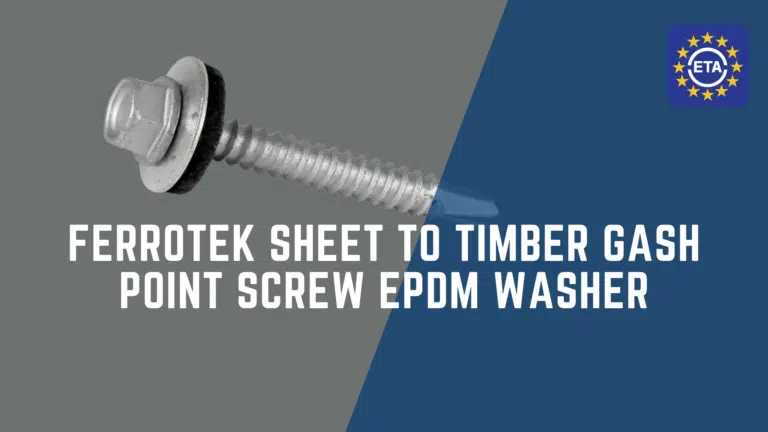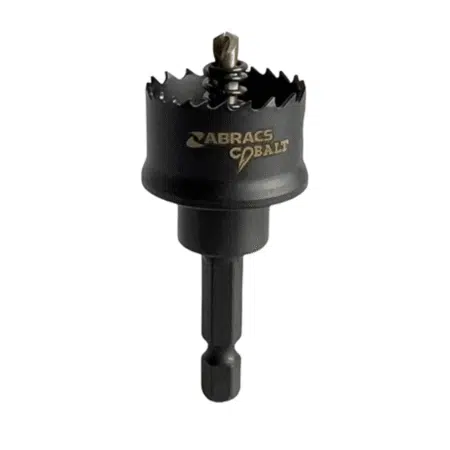

There’s a way to transform your workspace by effectively organising your fixings and fasteners for maximum efficiency. You’ll discover how to categorise your items, ensuring that everything is easily accessible and neatly stored. By implementing these practical techniques, you’ll not only save time looking for specific items but also enhance your productivity. Say goodbye to chaos and hello to a streamlined approach that empowers you to tackle any project with confidence.
Key Takeaways:
- Sort fixings and fasteners by type, size, and usage to enhance accessibility.
- Utilise clear storage containers or labelled drawers for easy identification and retrieval.
- Regularly review and restock supplies to prevent shortages and maintain order.
Understanding Fixings and Fasteners
Fixings and fasteners are vital components in construction and assembly, providing structural integrity and stability to various applications. Knowing their characteristics and applications enhances your ability to choose the right type for your projects. Proper categorisation not only streamlines the selection process but also saves time during assembly. Understanding their usage is key to achieving excellent results in your work.
Types of Fixings
Various types of fixings are available, each suited to specific materials and applications. Selecting the right fixing ensures that your projects are reliable and secure.
| Type of Fixing | Description |
|---|---|
| Screws | Commonly used for fastening, offering strong hold. |
| Nails | Quick to use, ideal for wood and light materials. |
| Anchors | Provide stability in concrete and masonry. |
| Bolts | Heavy-duty option for securing large assemblies. |
| Wall plugs | Enhance screw hold in hollow walls. |
Types of Fasteners
Fasteners play a pivotal role in joining components securely. Understanding the various types facilitates appropriate selection based on project needs, ensuring durability and performance.
| Type of Fastener | Description |
|---|---|
| Washers | Distribute load and prevent loosening. |
| Rivets | Permanent fasteners for metal applications. |
| Clevis pins | Provide adjustable joining options. |
| Self-tapping screws | Cut threads into materials for quick assembly. |
| Locking nuts | Prevent loosening under vibration. |
Different fasteners exhibit unique characteristics that cater to specific applications. For example, washers are often used to prevent surface damage and aid load distribution, while rivets provide permanent solutions with high strength in metalwork. When identifying fasteners, consider the environment they will be used in; corrosion-resistant fasteners are ideal for outdoor applications. Ensure compatibility with your materials to achieve the best results. The details of each type matter significantly in achieving your desired outcome.
| Type of Fastener | Characteristics |
|---|---|
| Stainless steel | Resistant to corrosion and rust. |
| Plastic anchors | Lightweight and easy to install. |
| Brass fasteners | Non-magnetic and aesthetically pleasing. |
| Threaded rods | Versatile for many fastening needs. |
| Expanding anchors | Provide strong hold in various base materials. |
Assessing Your Needs
Understanding your specific requirements is an vital step in optimising the organisation of your fixings and fasteners. Begin by recognising the types of projects you frequently undertake, as this can dictate the selection and quantity of items you’ll need on hand. A well-defined inventory aligning with your tasks will streamline workflow, reduce time spent searching for materials, and significantly boost productivity.
Identifying Frequently Used Items
Compile a list of items you utilise most often; these are the staples that should always be readily available. Consider categorising them based on project types—such as screws, bolts, and nuts—to ensure efficient access. Maintaining a readily accessible stock of these vitals prevents interruptions during tasks, allowing for a smoother, more fluid work experience.
Evaluating Space Requirements
Your organisation efforts must take into account the physical space available for storage. Evaluate the dimensions of your workspace and identify areas where fixings can be stored without creating clutter. A clear understanding of your spatial limitations helps to determine the appropriate storage solutions, ensuring that your setup remains functional and efficient.
Effective evaluation of space involves measuring shelves, cabinets, and draws intended for your fasteners. Consider vertical storage to maximise space, using wall-mounted pegboards or tiered shelving for smaller items. Grouping similar fasteners can save valuable time and space, making retrieval simple. For instance, a cabinet with designated bins for different screw sizes prevents chaos and enhances your ability to quickly access what you need, ultimately creating an efficient environment tailored to your workflow.
Choosing the Right Storage Solutions
Effective organisation relies heavily on selecting appropriate storage solutions tailored to your specific needs. Consider your available space, the volume of fixings and fasteners, and how frequently you access them. Modular storage systems, drawer units, and wall-mounted racks can significantly enhance both accessibility and workflow. Opting for clear containers allows for easy visibility of contents, enabling you to locate items quickly without unnecessary rummaging.
Organizers and Containers
Organisers and containers play a pivotal role in maintaining a neat workspace. Investing in stackable bins, partitioned trays, or tackle boxes offers versatility and maximises space. For small screws and nails, compartmentalised boxes provide an effective way of distinguishing various sizes and types, reducing the likelihood of mix-ups and facilitating a streamlined workflow.
Labeling Systems
A well-implemented labelling system ensures that you can identify contents at a glance, streamlining your workflow. Labelling your containers with clear descriptive tags enables quick retrieval and helps maintain order. Use durable, weather-resistant labels for longevity and easy readability, particularly in workshop environments where dust and moisture may be present.
Your labelling approach should incorporate both functional and aesthetic elements. Colour-coded labels can facilitate quick recognition, allowing you to categorise fixings by type, size, or material. Emphasising clarity, ensure each label includes the item name and relevant specifications, like size or thread type. This adds not only to functionality but also fosters a sense of order within your storage area, promoting efficiency during tasks.
Implementing Efficient Organization Techniques
Optimising your workspace requires implementing efficient organisation techniques tailored to your fixings and fasteners. Streamlining storage solutions, utilising modular bins, and labelling sections can significantly enhance your workflow. Investing time in creating a systematic approach will reduce retrieval time and prevent the frustration of searching through disorganised piles.
Categorization Methods
Establishing categorization methods allows you to group similar items together, easing access and improving efficiency. Consider organising fixings by size, type, or application, such as bolts, screws, and anchors. Utilising clear containers or drawer dividers can help maintain this organisation, ensuring you can quickly locate what you need without sifting through unrelated items.
Accessibility and Visibility
Effective organisation hinges on ensuring your fixings and fasteners are both accessible and visible. Position frequently used items at eye level or within easy reach to minimise unnecessary movement. Transparent storage solutions can help you maintain visibility, allowing you to quickly identify components without rummaging through boxes.
Accessibility and visibility fundamentally transform how you interact with your storage. By using clear bins, you not only save time but also avoid potential hazards associated with cluttered workspaces. For instance, shelving units with adjustable heights can accommodate different types of containers, adapting to your changing needs. Implementing wall-mounted storage solutions maximises vertical space, keeping floor areas clear and enhancing your overall efficiency. Ensuring that everything has a designated place cultivates a work environment that promotes productivity and safety.
Maintenance of Your Organized System
An organised system requires continuous attention to remain effective. Regular maintenance prevents clutter from creeping back in and ensures that everything functions smoothly. Establishing a routine for tidying up and reassessing your organisation will keep your workspace efficient and make it easier to locate what you need when you need it.
Regular Inventory Checks
Conducting regular inventory checks allows you to monitor stock levels of fixings and fasteners, ensuring that you never run low on crucial items. Aim for a monthly review of your supplies, making notes of what needs replenishing. This proactive approach helps you identify overstocked items and reduces waste, ultimately saving you time and money.
Adapting to Changing Needs
Your needs may evolve as projects change or new tasks arise, making adaptability key in maintaining your organisational system. Staying responsive to shifts enables you to reconfigure your storage solutions, whether it’s increasing the space for specific types of fasteners or introducing new categories as your inventory expands.
For example, if you find yourself often working on larger-scale projects that require specific types of fixings, consider creating a dedicated section for these items. This not only streamlines your workflow but also allows you to categorise items based on their frequency of use. Should you take on different types of jobs or switch between projects, regularly reassessing and adjusting your arrangements will keep your system aligned with your current priorities. By evolving alongside your work demands, you’ll maintain an effective and efficient organisational structure.
Tips for Long-Term Efficiency
To sustain your organisational system, consider implementing a routine that assures your fasteners and fixings remain in optimal order. Regularly assess your collection to remove any duplicates or unusable items, ensuring you only retain what’s necessary. Keeping a list of your most-used fasteners will help you track replacements and identify shortages. Frequent tidying up and immediate replenishment when items run low will contribute to a smooth operation. Assume that efficiency will wane without regular attention to your organisation system.
Habitual Organization Practices
Establishing consistent habits can significantly enhance your efficiency. Assign a specific day each month to review your collection, ensuring that everything is in its designated place and organised by type. This not only keeps your workspace tidy but also helps you become familiar with your inventory, making it easier to locate items promptly when needed.
Tools for Ongoing Management
Utilising the right tools can streamline the ongoing management of your fasteners and fixings. Toolboxes, drawer organisers, and labelled containers can dramatically improve your ability to find and store items systematically. Consider investing in modular storage systems that allow for flexibility as your inventory changes, or clear containers that enable you to view contents at a glance.
Additionally, digital inventory management tools can further enhance your system. Software or apps can track your stock levels, remind you when to reorder, and even help catalogue your fixings by specific attributes like size or type. Such tools not only save time but also reduce the risk of over or under-purchasing, ensuring your workspace remains efficient and clutter-free.
Final Words
Summing up, organising your fixings and fasteners efficiently requires a systematic approach. You should categorise your items by type and size, use clear labels for easy identification, and consider container systems that maximise space. Regularly audit your inventory to discard duplicates and damaged pieces, ensuring you have only the imperatives. Implementing these strategies will streamline your workflow, saving you time and frustration in your projects.
FAQ
Q: What is the best way to sort my fixings and fasteners?
A: Sorting fixings and fasteners by type (screws, nails, bolts, etc.) and size helps streamline access. Consider using labelled containers or drawer organisers for easy identification.
Q: How can I keep track of my inventory?
A: Maintain an inventory list that notes the quantity and types of fixings and fasteners on hand. Regularly update this list, particularly after purchasing or using items.
Q: Are there specific storage solutions that work best?
A: Storage solutions like clear plastic bins, tackle boxes, or divided trays can be effective. Opt for a system that allows visibility and quick access to items.
Q: How can I prevent my fasteners from rusting or corroding?
A: Store fasteners in a dry environment and use moisture-absorbing packets in your storage containers. Consider using stainless steel or galvanised options for better resistance.
Q: What should I do with unused or leftover fixings?
A: Keep a designated space for unused or leftover fixings. Regularly assess this section and either incorporate them into ongoing projects or donate them to local community workshops.