
Chisels are imperative tools for anyone working with masonry, but improper use can lead to serious accidents and inefficient work. You should always ensure that your chisels are sharp and correctly used to achieve precise results. Avoiding common pitfalls, such as using the wrong technique or neglecting safety gear, will enhance your craftsmanship and keep you safe on the job. Understanding these mistakes will significantly improve your efficiency and reliability when working with masonry.
Key Takeaways:
- Ensure you select the correct chisel for the intended material to avoid ineffective results and potential damage.
- Maintain your chisels by regularly sharpening them; dull chisels can lead to poor performance and increased effort.
- Use appropriate protective gear to minimise injury risks, as masonry chisels can cause significant harm if mishandled.
 Understanding Masonry Chisels
 Understanding Masonry Chisels
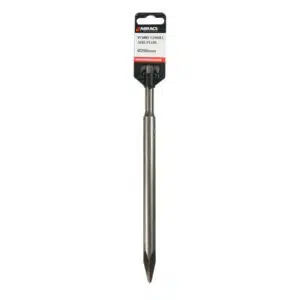
A masonry chisel is an necessary tool designed for shaping and cutting stone, brick, and concrete. Your choice of chisel can greatly affect both the efficiency of your work and the final result. Knowledge of their structure and function will enhance your ability to operate them effectively.
Types of Masonry Chisels
Familiarity with the various types of masonry chisels allows you to select the appropriate tool for specific tasks. Key types include:
- Point Chisel: Ideal for breaking up hard surfaces.
- Flat Chisel: Suitable for smoothing edges and removing mortar.
- Marble Chisel: Best for delicate stonework.
- Cold Chisel: Designed for tough materials.
- Brick Chisel: Perfect for cutting bricks accurately.
Recognising the right type of chisel for your project can significantly enhance your efficiency and accuracy.
| Chisel Type | Best Use |
| Point Chisel | Breaking hard surfaces |
| Flat Chisel | Smoothing edges |
| Marble Chisel | Delicate stonework |
| Cold Chisel | Tough materials |
| Brick Chisel | Cutting bricks |
Choosing the Right Chisel for Your Project
Selecting the correct chisel is vital for achieving the desired outcome in your masonry work. You should consider the material you’re working with, as different chisels cater to various hardness levels. Ensure that the size and shape of the chisel match the requirements of your project for optimal performance.
In terms of choosing the right chisel, evaluate factors such as the type of material you’re dealing with and the specific task at hand. For instance, a point chisel is best for breaking tough surfaces, while a flat chisel excels at smoothing. Additionally, you should assess the size and weight of the chisel, as a comfortable grip can lead to better control and reduced fatigue. Proper selection directly influences the quality of your work and ensures efficiency during the masonry process.
Common Mistakes in Handling Masonry Chisels
When working with masonry chisels, several handling mistakes can significantly hinder your effectiveness and safety. Proper technique is imperative, as improper handling can lead to not just subpar results, but also serious injuries. Paying close attention to your grip and stance, as well as ensuring your safety gear is adequate, is paramount to achieving success and avoiding accidents during your masonry projects.
Incorrect Grip and Stance
Your grip and stance when using a masonry chisel play a vital role in both precision and safety. An incorrect grip may lead to uneven pressure, causing slips or inaccurate cuts. Ensure that you firmly hold the chisel with your dominant hand while stabilising the material with your other hand. Position your body so you are balanced and able to deliver controlled strikes without overreaching or losing stability.
Lack of Proper Eye Protection
Neglecting to wear appropriate eye protection is a significant oversight that can have severe consequences. The risk of flying debris and small particles is high when chiselling, which can lead to eye injuries. Investing in durable safety goggles designed for impact resistance is imperative. These goggles should fit snugly and provide adequate coverage, ensuring that your eyes remain shielded from any potential hazards.
Statistics reveal that workers without proper eye protection face a significantly greater chance of sustaining injuries, with nearly 20,000 incidents reported annually. Many of these injuries could have been prevented with simple safety measures, highlighting the importance of prioritising your vision. In addition to goggles, consider using a face shield for extra protection, particularly when working with materials that produce larger fragments. Always prioritising your safety will enhance both your performance and confidence in any masonry task.
 Mistakes in Tool Maintenance
 Mistakes in Tool Maintenance
Proper maintenance of your masonry chisels is vital to ensure longevity and performance. Failing to care for your tools not only compromises their effectiveness but also increases the risk of accidents and injuries. Simple tasks like cleaning and proper storage can prevent rust and damage, enhancing your chisel’s lifespan and efficacy.
Neglecting Regular Sharpening
Skipping regular sharpening of your chisels leads to decreased performance and precision. A dull chisel requires more force, increasing the risk of slipping and causing injury. Keeping your chisels sharp ensures clean cuts and reduces the strain during use, allowing for better control.
Using Damaged Tools
Utilising damaged chisels can severely hinder your work and pose serious safety hazards. Any visible nicks, chips, or cracks in the blade can impact its integrity, making it unpredictable during cutting tasks. Regular inspection before each use is vital; a compromised tool can break under pressure, resulting in injuries or poor workmanship.
Even minor damage can lead to greater issues. For instance, a chipped blade may rebound while you’re striking it, putting you at risk of harm or causing errors in your work. It’s imperative to retire any chisels with noticeable wear or damage, ensuring your work remains efficient and safe. Prioritising tool condition not only protects you but also maintains the quality of your masonry work.
Inappropriate Chisel Use
Using masonry chisels inappropriately can lead to subpar results and damage to both the tool and the material. Your effectiveness relies heavily on selecting the right type and size of chisel for specific tasks. Many craftsmen underestimate the importance of proper chisel application, risking safety and efficiency in the process.
Using the Wrong Chisel for the Material
Choosing a chisel unsuitable for the material at hand can lead to significant issues. For instance, using a brick chisel on hard stone risks chipping both the chisel and the stone. Always assess the material prior to starting your project, as using the correct chisel ensures effective cutting and shapes your work with precision.
Forceful Striking Techniques
Employing excessive force when using a masonry chisel can result in serious accidents and tool damage. Chisels are designed for controlled, deliberate strikes that promote accuracy, not brute strength. Striking too forcefully can bend or break the chisel, leading to injury and increased repair costs.
Moreover, using excessive force often indicates that you’re not employing the right technique or tool for the job. Instead of hammering mindlessly, focus on achieving clean cuts by utilising a steady grip and rhythmic movements. This not only enhances your control but also prolongs the life of your chisels, allowing you to achieve cleaner, more professional results consistently.
 Safety Hazards to Avoid
 Safety Hazards to Avoid
Using masonry chisels involves inherent risks that can lead to severe injuries if not taken seriously. Prioritising safety can significantly diminish the likelihood of accidents. Being informed about potential hazards, including workspace conditions and personal protection, is critical to ensuring a safe working environment.
Inadequate Workspace Preparation
Failing to prepare your workspace can result in slips, trips, and falls, which are common accidents in masonry work. Ensure that the area is free from unnecessary clutter, and that you have proper footing on stable surfaces. Assess your surroundings for hazards and make any adjustments to reduce risks before starting your project.
Ignoring Personal Protective Equipment
Neglecting the use of personal protective equipment (PPE) can expose you to serious dangers. Basic PPE should include safety goggles, gloves, and sturdy footwear with non-slip soles. Without these precautions, you risk sustaining injuries from flying debris or accidents caused by losing your footing. For instance, safety goggles protect your eyes from dust and chip fragments, while gloves provide grip and prevent cuts. It’s not merely about comfort; using adequate PPE ensures you remain safe and capable of tackling your projects effectively.
Best Practices for Effective Use
To maximise your efficiency with masonry chisels, adopting proven best practices is vital. Always start with a keen assessment of your material and choose the right chisel for the task at hand. Ensure a solid grip and maintain a consistent angle during chiselling for optimal control. Additionally, work in a well-lit area and employ appropriate personal protective equipment to safeguard against flying debris.
Proper Techniques for Accuracy
Accuracy in chiselling requires a steady hand and precise technique. Position the chisel at a suitable angle to the surface, typically around 30 to 45 degrees, depending on the material. Use short, controlled strikes with a hammer to guide the chisel effectively, allowing the blade’s edge to penetrate deeply without unnecessary force.
Importance of Practice and Skill Development
Regular practice is vital for honing your chiselling skills, as proficiency is built over time. The more you use your masonry chisels, the more intuitive your movements become, leading to cleaner cuts and better results. Seek opportunities to experiment with various materials and techniques to deepen your understanding.
Engaging in targeted practice sessions can significantly elevate your chiselling abilities. Consider setting up specific drills focused on different types of cuts or patterns. For instance, repeatedly chiselling joints in brickwork can improve accuracy and speed. Investing time in skill development not only enhances your craftsmanship but also increases your safety, as familiarity with the tools fosters confidence and precision in your work.
Summing up
So, ensuring proper technique and attention to detail can significantly enhance your masonry chiselling results. Avoid using excessive force, as it may damage both the chisel and the material. Keep your tools well-maintained and sharp to achieve cleaner cuts. Position your hands correctly to maintain control and prevent accidents. Additionally, choosing the right chisel for your specific task will improve efficiency and effectiveness. By actively avoiding these common pitfalls, you can achieve professional-looking outcomes in your masonry projects.
FAQ
Q: What is a common mistake when handling masonry chisels?
A: One prevalent mistake is using the wrong type of chisel for the task. Ensure you choose a chisel designed for the specific material you are working with to achieve better results.
Q: How should a masonry chisel be struck to avoid damage?
A: Striking the chisel at an inappropriate angle can damage the chisel head. Always aim to strike with the hammer directly above the cutting edge of the chisel for optimal impact and control.
Q: What are the risks of using a dull masonry chisel?
A: Using a dull chisel increases the likelihood of slips, which can lead to injury. A sharp chisel is crucial for clean cuts and easier chiselling, reducing the risk of accidents.
Q: Why is it important to maintain a proper grip on the chisel?
A: A poor grip can lead to a lack of control over the chisel, resulting in uneven chiselling and possibly harming yourself. Ensure a firm grip and positioning to maintain precision and safety during use.
Q: How does incorrect positioning affect the chiselling process?
A: Incorrect positioning can lead to inefficient chiselling and increased fatigue. Proper stances and angles allow for greater leverage, making the task easier and more effective.