
Most masonry screws can provide a reliable fixing for various applications, but proper maintenance is crucial to ensure their longevity and performance. By regularly inspecting your fixings for corrosion and ensuring they are tightly secured, you can avoid potential safety hazards. Additionally, applying appropriate lubricant can help to enhance their durability. Follow these guidelines to keep your masonry screws in optimal condition, ensuring they continue to provide safe and effective support for your projects.
This guide provides you with necessary tips for maintaining your masonry screws to ensure durability and reliability in your projects. Proper upkeep not only extends the lifespan of your fixings but also minimises the risk of failures that could potentially lead to safety hazards. By following these best practices, you’ll keep your screws in optimal condition, ensuring they remain effective and secure in various applications.
Key Takeaways:
- Regularly inspect masonry screws for signs of corrosion or wear to maintain their integrity.
- Ensure proper installation with compatible materials to optimise performance.
- Apply appropriate protective coatings to enhance resistance against environmental factors.
 Understanding Masonry Screws
 Understanding Masonry Screws
Masonry screws are specially designed fasteners that allow for secure attachment in hard materials like brick, concrete, and stone. Typically made of hardened steel, they feature a unique thread pattern that provides optimal grip and resistance against pull-out forces. The right masonry screw can ensure a reliable fix, adapting seamlessly to the specific needs of your project.
How-To Select the Right Masonry Screws
To select the right masonry screws, consider factors such as the base material, the weight of the load, and environmental exposure. Choose screws specifically engineered for the type of masonry you are working with, whether it’s brick, concrete, or block. Ensure you also match the screw length with your material thickness for maximum strength.
Factors Influencing Screw Longevity
Several factors influence the longevity of masonry screws, including the quality of materials, installation techniques, and environmental conditions. Using high-quality stainless steel screws can greatly enhance durability, particularly in corrosive environments. Proper installation decreases stress on screws and, thus, extends their lifespan. Always consider moisture levels and exposure to chemicals that may lead to deterioration over time.
- high-quality stainless steel
- moisture levels
- installation techniques
- environmental conditions
Paying attention to these factors can lead to better performance from your masonry screws. Ensuring that you regularly assess the environmental conditions and choose appropriate materials will significantly impact how long your fixings last. Poor choices in hostile settings can lead to premature failure of securing elements.
- environmental conditions
- performance
- material quality
- regular assessments
How to Choose the Right Masonry Screws
Selecting the appropriate masonry screws is necessary for achieving durable and secure fixings. Begin by assessing the specific requirements of your project, including the materials being used and the expected load. Consider the screw’s diameter, length, and head style, as these factors significantly influence its performance.
Factors to Consider
When choosing masonry screws, evaluate the following:
- Material: Choose corrosion-resistant options for longevity.
- Length: Ensure it penetrates deeply enough for a firm hold.
- Thread type: Opt for threads designed for masonry to enhance grip.
Recognising these factors leads to more reliable and efficient installations.
Tips for Selecting Durable Options
To ensure you select durable masonry screws, consider these practical tips:
- Quality: Always select trusted brands to avoid inferior products.
- Coating: Look for screws with protective coatings to resist rust.
- Load rating: Confirm the screw can handle your specific loads.
Recognising the significance of these tips can prevent failures and enhance the longevity of your fixings.
Choosing high-quality masonry screws involves a deeper understanding of the materials and their applications. For example, stainless steel screws are excellent for outdoor applications due to their resistance to the elements. Additionally, using screws with appropriate coatings, such as galvanisation or epoxy, enhances their protective capabilities. Customising your selection based on environmental conditions, load requirements, and compatibility with substrates will greatly improve performance.
- Environmental conditions: Assess exposure to moisture and chemicals.
- Substrate compatibility: Match screws to the material being fixed.
- Installation method: Ensure your tools are compatible with the screw type.
Recognising the interplay of these elements is vital for making informed decisions regarding masonry screws.
Installation Best Practices
Proper installation of masonry screws ensures their optimal performance and longevity. Begin by selecting the right drill bit size based on the screw diameter, and always pre-drill the hole to the recommended depth. Ensure the masonry is clean and dry to prevent debris from compromising the fixing. When driving in the screw, use a low-speed setting to avoid overheating, which can weaken the material. Adhering to these practices not only enhances security but also mitigates potential future issues.
How to Properly Install Masonry Screws
To properly install masonry screws, start by marking your desired location carefully. Use a hammer drill to create a pilot hole, ensuring it matches the screw’s specifications. Insert the screw straight into the hole, applying even pressure as you drive it in. Avoid overtightening, as this could damage the masonry or strip the screw. The screw should sit flush with the surface for optimum performance.
Tips for Avoiding Common Mistakes
 Tips for Avoiding Common Mistakes
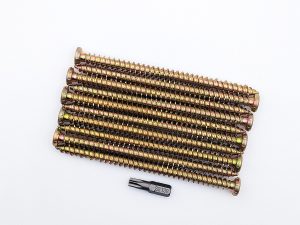
Common mistakes during the installation of masonry screws include using the wrong drill bit and neglecting to clean the hole. Always match the drill bit size to the screw to prevent misalignment and potential failure. Additionally, ensure that you are drilling to the correct depth to avoid inadequate holding power. Regularly inspect your work to ensure everything is secure and properly aligned. Any oversight could lead to premature wear or damage.
- Using the wrong drill bit compromises alignment.
- Neglecting to clean the hole can lead to failure.
- Overtightening screws risks damage to masonry.
- Ignoring the correct pilot hole depth affects holding power.
- Any minor error can lead to significant, costly issues.
By maintaining focus on these tips, you can significantly reduce the likelihood of making errors during installation. For instance, using a masonry screw compatible drill bit prevents wobbling that can occur with mismatched sizes. After drilling, thoroughly clean any dust or debris from the hole to ensure proper screw engagement. Always check the screw’s seating to avoid accidental stripping, which diminishes integrity. Any attention to detail will enhance the longevity of your fixings.
- Using compatible drill bits avoids wobbling.
- Cleaning holes ensures proper engagement.
- Checking screw seating prevents stripping.
- Maintaining attention to detail enhances durability.
- Any oversight can lead to weakened fixtures over time.
Installation Techniques for Longevity
To ensure long-lasting fixings, familiarising yourself with key installation techniques is imperative. Proper techniques enhance the integrity of your masonry screws, reducing the risk of failure under stress or adverse conditions. Prioritising methodical approaches during installation will guarantee sustainability and reliability in your projects.
Proper Drilling Methods
Using the right drilling methods significantly impacts the effectiveness of your masonry screws. Start with a high-quality masonry drill bit suited for the material type, and maintain a consistent speed while drilling. Ensure you drill to the correct depth, allowing sufficient space for the screw to embed securely without compromising the surrounding structure.
Best Practices for Screw Placement
Effective screw placement is vital for long-term stability. Aim to position screws at least 7.5 cm apart to avoid compromising the integrity of the masonry. Additionally, place screws into solid material rather than hollow sections, optimising the screw’s holding capacity. Always check for alignment, as this ensures balanced pressure distribution during use.
When determining the optimal locations for screw placement, consider the load distribution and the specific application requirements. For instance, if you are securing shelving, place screws into wall studs or solid masonry for exceptional support. Avoid placing screws near edges or corners where structural weaknesses may arise. Additionally, if you’re working with additional fixtures or fittings, leave adequate space to facilitate future adjustments without weakening the initial anchor point.
Maintenance Tips
To ensure your masonry screws maintain optimal performance, regular maintenance is necessary. Follow these simple tips to prolong the lifespan of your fixings:
- Inspect masonry screws for signs of wear or corrosion.
- Clean any debris or dust that may accumulate around the fixings.
- Check for proper alignment and tightness of the screws.
- Replace any damaged screws immediately to avoid further issues.
Assume that following these tips will significantly increase the durability of your masonry screws.
How-To Inspect Masonry Screws Regularly
Regular inspections of your masonry screws will help you identify potential issues before they escalate. Look for any visible signs of damage, such as rust or cracking. Use a torque wrench to check if the screws are still tight; loose screws can compromise structural integrity. Ensure that the screws are properly embedded and not pulling away from the wall, which could indicate failure.
Factors to Consider for Ongoing Maintenance
Your ongoing maintenance plan should factor in various elements that affect the durability of masonry screws. These include environmental conditions, load-bearing requirements, and the type of masonry material used. Regularly assess the exposure to moisture, temperature fluctuations, and potential chemical exposure, as these can adversely affect screw performance.
- Environmental conditions such as moisture and temperature.
- Load-bearing capacity specific to structural needs.
- Type of masonry material influencing stability.
After evaluating these factors, implement measures tailored to your specific conditions for improved screw longevity.
Consider also the frequency of inspections and the preparation for potential repairs. Scheduling maintenance checks semi-annually allows for timely identification of deterioration or misalignment. If your structure bears significant weight or experiences movement, more frequent inspections may be necessary. Addressing minor repairs promptly will prevent exacerbation into larger issues.
- Inspecting semi-annually for wear and tear.
- Monitoring structural integrity to avoid complications.
- Promptly addressing minor repairs to maintain performance.
After proactive management of these aspects, you’ll likely experience substantially fewer complications with your masonry screws.
Maintenance Tips for Masonry Screws
To prolong the lifespan of your masonry screws, implement these imperative maintenance tips:
- Conduct regular inspections to identify any issues.
- Keep the surrounding area clean and free of debris.
- Use protective coatings to minimise corrosion.
- Ensure screws remain tight and in place.
- Replace any damaged screws promptly.
Any neglect in these areas can lead to premature failure of your masonry fixings.
Regular Inspections
Conducting regular inspections of your masonry screws allows you to spot signs of wear or loosening early. Check for rust or degradation, and ensure all screws are properly tightened. A simple visual inspection can save you from costly repairs down the line, helping maintain the integrity of your fixings.
Cleaning and Avoiding Corrosion
Cleaning your masonry screws is vital for preventing corrosion. Regularly remove dirt and debris, as grime can trap moisture, leading to rust formation. Use a soft brush or cloth to ensure the screws are free from contaminants.
To avoid corrosion, consider applying a corrosion-resistant coating or sealant specifically designed for masonry applications. Doing so creates a protective layer that shields the screws from moisture and other corrosive elements. If you notice any signs of rust, promptly sand it off and reapply the protective coating to ensure your screws remain durable. Regular maintenance will ensure that your masonry screws continue to perform effectively in various weather conditions, safeguarding your structures over time.
To wrap up
The maintenance of masonry screws is crucial to ensure your fixings remain secure over time. You should regularly inspect the screws for signs of wear or corrosion and clean them as needed to remove debris that could compromise their integrity. Applying a suitable protective coating can enhance durability, while proper installation techniques will help prevent loosening. By actively managing these aspects, you can maintain the strength and longevity of your masonry fixings, safeguarding your structures effectively.
How to Repair or Replace Damaged Screws
Identifying Damage Types
Recognising the type of damage to your masonry screws is vital for effective repair or replacement. Common issues include rusting, bending, shearing, and stripped threads. Inspection helps determine if you can repair or need a complete replacement. The following points summarise possible damage:
| Type of Damage | Description |
| Rusting | Corrosion affecting the screw’s integrity. |
| Bending | Misalignment caused by stress or over-torque. |
| Shearing | Complete fracture under excessive load. |
| Stripped Threads | Threads worn out, causing loss of grip. |
Step-by-Step Replacement Process
To replace damaged masonry screws, begin by gathering the necessary tools—these typically include a drill, screw extractor, and new screws. Assess the damage, then remove the old screw using the extractor. Finally, drill a new pilot hole if needed, and insert the new screw securely. The following steps outline the process:
| Step | Action |
| 1 | Gather tools and assess damage. |
| 2 | Remove the damaged screw. |
| 3 | Check for any debris in the hole. |
| 4 | Drill a new pilot hole if necessary. |
| 5 | Insert the new masonry screw securely. |
This replacement process ensures that your fixings regain strength and reliability, maintaining the integrity of your structures. Be certain to use screws that match the original specifications for optimal performance. Verify the hole is clear to avoid any residue interfering with the new screw. The successful replacement of masonry screws can significantly enhance your construction’s longevity and stability.
| Tips for Successful Replacement | Details |
| Use the right size screw | Ensure compatibility with the material. |
| Check for moisture | Prevent corrosion by ensuring dryness. |
| Consider screw material | Opt for stainless steel for durability. |
| Use proper torque | Avoid over-tightening to prevent bending. |
| Inspect regularly | Ensure long-term performance of fixings. |
FAQ
Q: What are masonry screws made from?
A: Masonry screws are typically made from hardened steel, which provides strength and durability. Some may feature a corrosion-resistant coating to enhance longevity when used in outdoor or damp environments.
Q: How can I protect masonry screws from corrosion?
A: To protect masonry screws from corrosion, apply a suitable anti-corrosive coating or oil before installation. Additionally, ensure that the installation site is dry and consider using stainless steel screws in humid conditions.
Q: What is the best way to clean masonry screws?
A: Cleaning masonry screws can be done by using a wire brush to remove debris and dirt. For stubborn residue, a solution of warm, soapy water can be used, followed by thorough rinsing and drying to prevent rust.
Q: How do I know if masonry screws need to be replaced?
A: Signs that masonry screws may need replacement include visible rust, a loose or unstable grip in the masonry, and any signs of cracking or severe wear. Regular inspection is recommended to assess their condition.
Q: Can I reuse masonry screws after removal?
A: Reusing masonry screws is not generally recommended, as they may have lost their structural integrity. If the screws appear undamaged and the original hole is in good condition, they may be reused; however, installing new screws is often a safer option.
Environmental Factors Affecting Masonry Screws
Environmental factors can significantly influence the performance and longevity of masonry screws. You must consider elements such as temperature fluctuations, humidity levels, and exposure to harsh weather conditions. Addressing these aspects will enhance the durability of your fixings and prevent early failure.
- Temperature extremes
- High humidity
- Corrosive environments
- UV exposure
The combination of these factors can lead to issues such as rust, corrosion, or weakened structural integrity over time.
Weather Considerations
Your masonry screws face various challenges from weather conditions. Prolonged exposure to heavy rain, snow, or wind can degrade the materials and weaken the hold. It’s vital to check for any signs of damage after severe weather events, ensuring that your fixings remain secure and intact.
Impact of Humidity and Temperature
High humidity and extreme temperatures can affect the performance of your masonry screws. In humid environments, moisture can cause corrosion, while high temperatures can lead to expansion and contraction of materials, potentially loosening screws over time.
Effects of Humidity and Temperature
| Humidity | Increases corrosion risk; weakens screws. |
| Temperature Fluctuations | Causes expansion and contraction; may loosen fixings. |
To mitigate the impact of humidity and temperature on your masonry screws, consider using coated screws designed to resist rust, and always ensure proper installation techniques are followed. Utilizing appropriate sealants can further shield your fixings from moisture exposure, preserving their integrity for longer.
Preventive Measures for Humidity and Temperature
| Use coated screws | Enhances corrosion resistance. |
| Apply sealants | Protects against moisture ingress. |
Additional Tips for Maximizing Lifespan
To ensure your masonry screws function optimally for years, consider these additional tips:
- Regularly check the condition of the screws.
- Use the appropriate drill for installations to avoid damage.
- Apply protective sealants to shield against moisture.
- Ensure correct tightening to prevent loosening.
- Store spare screws in a dry environment to maintain their integrity.
Knowing these practices will significantly extend the lifespan of your fixings.
Using Sealants and Coatings
Applying sealants and coatings helps protect masonry screws from environmental factors that can lead to rust and corrosion. A good sealant creates a barrier against moisture, while coatings can enhance durability. You should select products specifically designed for use with masonry to ensure compatibility and effectiveness.
Importance of Quality Materials
Opting for high-quality materials when purchasing masonry screws directly influences their performance and longevity. Quality screws are typically made from robust metals that resist rust and wear, which vastly improves efficacy. Cheaper alternatives may save costs initially but often fail to provide the necessary strength, leading to early failure and increased maintenance costs in the long run. Investing in top-grade materials not only ensures a secure fixing but also reduces the chances of needing replacements frequently.
Conclusion
From above, it is clear that proper maintenance of masonry screws is important for ensuring long-lasting fixings. You should regularly inspect for signs of corrosion, ensure that your fittings are securely tightened, and clean any debris that may accumulate around the screws. Additionally, consider applying a protective sealant to enhance durability. By taking these simple yet effective steps, you can significantly extend the lifespan of your masonry fixings, ensuring they continue to perform optimally for years to come.