
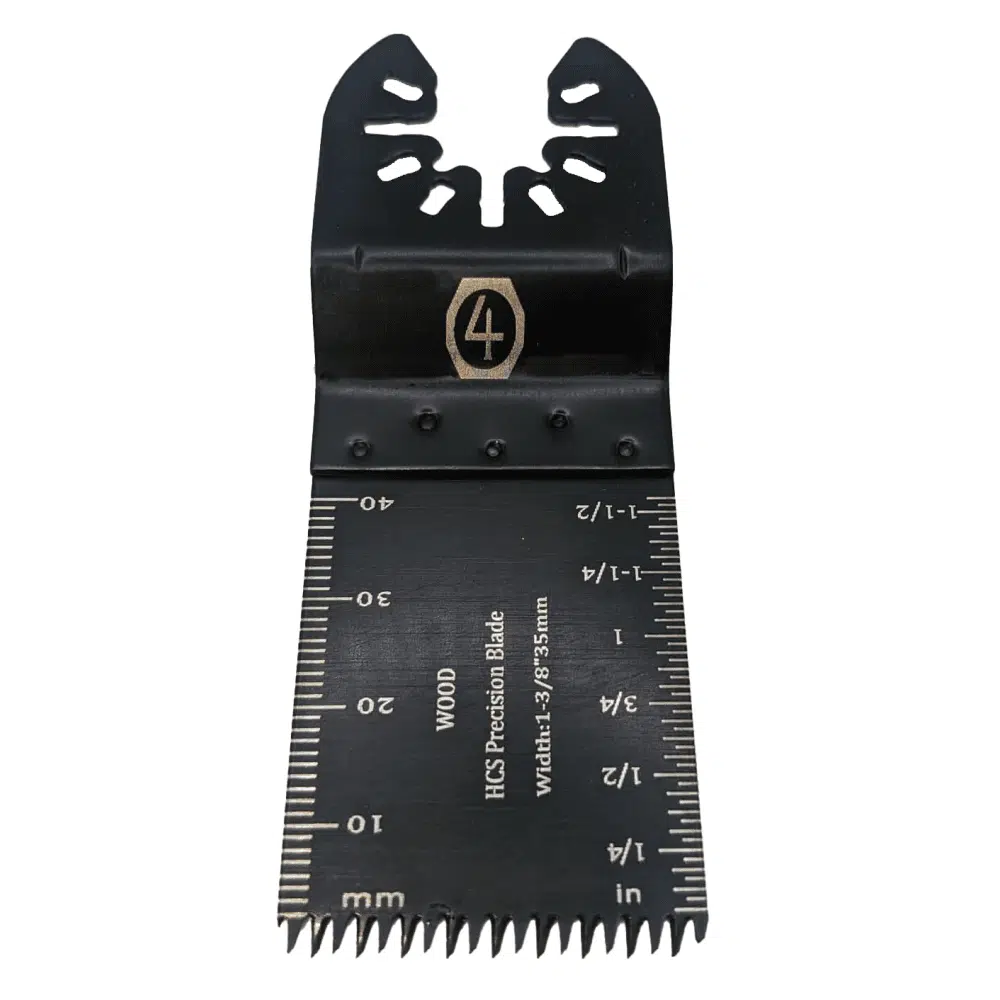
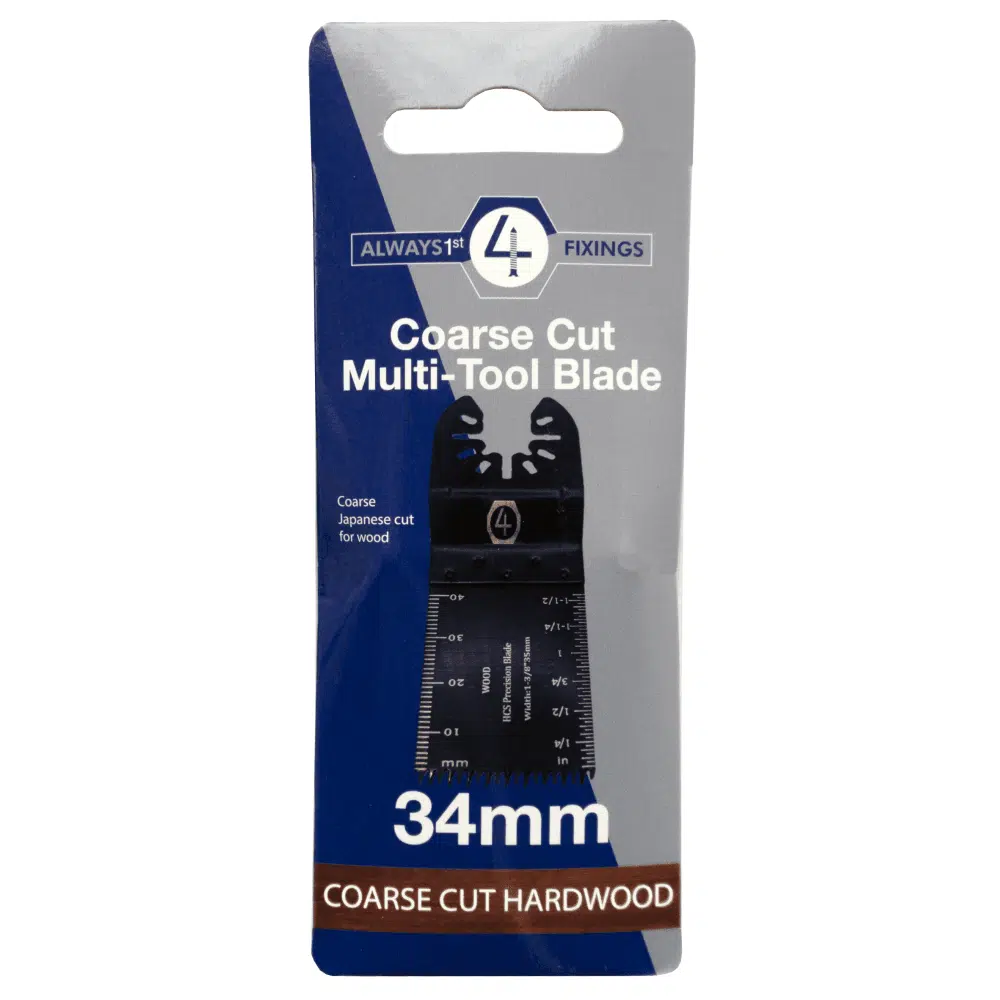


Japanese Tooth (MTB-JC) Blades | AF4F Fast-Cut Wood Multi-Tool Blades
- Japanese tooth profile – triple‑ground teeth for exceptionally fast cutting in wood with a clean finish.
- Clean, low‑tear cuts – aggressive yet fine tooth geometry reduces splintering on softwood, hardwood and sheet materials.
- Optimised for wood – perfect for framing, trims, flooring, kitchens and 2nd‑fix carpentry (not for metal).
- MTB‑JC fitting – multi‑tool interface compatible with many leading oscillating multi‑tools (with adapter if needed).
- Accurate plunge & flush cuts – blade profile allows controlled plunge, notch and flush cuts in tight spaces.
Free shipping on orders over £60
- No-Risk Money Back Guarantee!
- No Hassle Refunds
- Secure Payments
Japanese Tooth (MTB‑JC) Blades
Japanese Tooth (MTB‑JC) Blades are high‑performance oscillating multi‑tool blades featuring a
razor‑sharp, triple‑ground Japanese tooth pattern for ultra‑fast, clean cutting in wood and
timber‑based materials. Ideal for carpenters, kitchen and bathroom fitters, flooring installers
and general trades, these blades excel where rapid, smooth wood cutting is required.
Japanese Tooth (MTB‑JC) Blades are designed specifically for fast, clean cutting in wood. The
triple‑ground Japanese‑style teeth slice quickly through timber fibres, giving a smooth, accurate
cut with minimal effort. This makes them ideal for tasks such as trimming doors and frames,
cutting flooring and decking boards, and notching or shortening studwork and battens.
The MTB‑JC multi‑tool fitting is designed to suit a wide range of oscillating tools from major
brands (always check your tool’s compatibility and adapter requirements). The plunge‑cut blade
shape enables precise starting and stopping of cuts, even away from edges, which is especially
useful for sockets, vents and access holes in timber and timber‑based boards.
These blades are optimised for wood, chipboard, plywood and similar materials. Because of their
aggressive tooth form, they should not be used on metal or masonry, and repeated contact with
nails or screws will quickly dull the teeth – use bi‑metal or TiN‑coated blades for mixed
material or metal work instead.
Typical Use Cases
- Trimming door linings, architraves and skirtings for new flooring.
- Cutting laminate and engineered flooring boards to length or around obstacles.
- Notching and shortening timber studs, noggins and battens.
- Cutting openings in plywood, chipboard, OSB and similar sheet materials.
- Shaping and adjusting timber components during kitchen, bathroom and furniture installation.
Usage & Application Tips
- Use only on wood & similar materials: Avoid nails, screws and metal; they will rapidly blunt the Japanese teeth.
- Let the teeth cut: Apply light to moderate pressure – forcing the blade can cause burning and reduce cut quality.
- Choose appropriate speed: Medium to high oscillation speeds typically give the best results in wood; adjust for control.
- Mark your cut line: Clearly mark where you need to cut for neat, accurate results on visible surfaces.
- Support the workpiece: Clamp or support trims and panels to minimise vibration and improve finish.
Technical Information (Typical)
Exact dimensions and specification vary by Japanese Tooth (MTB‑JC) blade; always check the
packaging or manufacturer’s data sheet. Typical characteristics include:
- Type: Japanese tooth oscillating multi‑tool blade (MTB‑JC fitting).
- Tooth profile: Triple‑ground, razor‑sharp Japanese teeth for fast, clean wood cutting.
- Construction: Hardened steel or similar material optimised for wood (not designed for metal or masonry).
- Fitting: MTB‑JC multi‑tool interface compatible with many popular oscillating multi‑tools (adapter may be required on some models).
- Suitable materials (typical): Softwood, many hardwoods, laminate flooring, plywood, chipboard, OSB and other timber‑based boards.
- Blade styles: Usually plunge‑cut style in various widths for detail work, general cuts and wider rips.
- Use mode: Oscillating multi‑tool use only; hammer/rotary modes are not suitable.
For exact blade width, working length, tooth pitch and compatibility information, refer to the
technical data for the specific Japanese Tooth (MTB‑JC) Blades you are using.
Japanese Tooth (MTB-JC) Blades Key Features
- Ultra‑fast cutting in wood – Japanese teeth remove material quickly for high productivity.
- Smoother finish than coarse demolition blades – reduced splintering on visible timber surfaces.
- Precise plunge capability – start and stop cuts accurately in boards and trims.
- Multi‑tool compatible – MTB‑JC fitting works with many leading oscillating tools.
- Ideal for carpentry & fit‑out – perfect for flooring, framing, trims and cabinetry.
Japanese Tooth (MTB-JC) Blades Frequently Asked Questions (FAQs)
1. What does “Japanese tooth” mean on MTB‑JC Blades?
“Japanese tooth” refers to a specific, triple‑ground tooth geometry originally used on Japanese
pull saws. It is extremely sharp and efficient at cutting wood quickly while leaving a relatively
clean finish compared to coarse demolition teeth.
2. Can Japanese Tooth (MTB‑JC) Blades cut nails or screws?
No – they are not designed for metal. Hitting nails or screws will quickly chip or blunt the
fine Japanese teeth. For wood with embedded metal, use bi‑metal or TiN‑coated multi‑material
blades instead.
3. Are these blades better than fine‑cut blades?
Japanese Tooth blades are generally faster and more aggressive in wood, while still offering a
good finish. Fine‑cut blades (with finer, closer teeth) may give a slightly smoother edge on
delicate trims but cut more slowly. The best choice depends on whether speed or ultimate finish
is your priority.
4. Will MTB‑JC blades fit my oscillating multi‑tool?
MTB‑JC describes the blade interface. It is compatible with many common oscillating multi‑tools,
but you should always check compatibility for your specific brand/model and use an adapter if
recommended by the manufacturer.
5. How can I maximise the life of Japanese Tooth blades?
Use them only on suitable wood/board materials, avoid contact with metal, do not overheat the
blade, and apply only moderate pressure. Let the sharp teeth do the work and replace the blade
once you notice significant dulling or increased burning.
Japanese Tooth (MTB-JC) Blades Common Uses / How to Use
To get the best from Japanese Tooth (MTB‑JC) Blades:
- Confirm your multi‑tool is compatible with MTB‑JC blades or fit the correct adapter.
- Select an appropriate blade width for the job (narrow for detail, wider for long cuts).
- Fit the blade securely according to your tool manufacturer’s instructions.
- Mark the cut line clearly on the timber or board.
- Set the tool to a medium/high speed and start it before engaging the material.
- Guide the blade along the line with light, steady pressure, avoiding contact with nails or screws.
- Allow the blade to cool between long cuts and replace it when performance drops.
| Weight | N/A |
|---|---|
| Dimensions | N/A |
| Quantity | Each, 20 Pack |
Be the first to review “Japanese Tooth (MTB-JC) Blades | AF4F Fast-Cut Wood Multi-Tool Blades”
You must be logged in to post a review.
Shipping Policy
 At Always First 4 Fixings, we know that your projects rely on fast, dependable delivery. That’s why we offer flexible UK shipping options designed for tradespeople and businesses:
Fast Dispatch: Orders are processed and dispatched within 24 hours on working days.
Free shipping on all orders over £60 (UK mainland).
Express options available to keep your jobs moving.
Click & Collect: Order online and pick up at your convenience (if applicable).
Reliable Couriers: We use trusted UK carriers to ensure your fixings and fasteners arrive on time.
You’ll receive tracking details as soon as your order leaves our warehouse. Delivery times may vary depending on location and availability, but we work hard to get your order to you as quickly as possible.
At Always First 4 Fixings, we know that your projects rely on fast, dependable delivery. That’s why we offer flexible UK shipping options designed for tradespeople and businesses:
Fast Dispatch: Orders are processed and dispatched within 24 hours on working days.
Free shipping on all orders over £60 (UK mainland).
Express options available to keep your jobs moving.
Click & Collect: Order online and pick up at your convenience (if applicable).
Reliable Couriers: We use trusted UK carriers to ensure your fixings and fasteners arrive on time.
You’ll receive tracking details as soon as your order leaves our warehouse. Delivery times may vary depending on location and availability, but we work hard to get your order to you as quickly as possible.
Returns Policy
We want you to be fully confident when ordering from Always First 4 Fixings. If your supplies aren’t right for any reason, we make returns straightforward: Return unused and undamaged items in original packaging within 30 days. Don’t forget your proof of purchase or order confirmation. Once we receive your return, we’ll process your refund or exchange promptly. Certain items may have specific exclusions or conditions—please read our detailed returns policy or contact us if you have questions. Our team is always here to help ensure you get exactly what you need for the job.Related products
-

Armeg Flat Wood Drill Bit | Trade-Quality Spade Bit for Timber & Sheet Materials
£1.96 £3.78Price range: £1.63£1.96 through £3.15£3.78 Excl. VATIncl. VAT -
ForgeMaster Hardplate Drill TCT – (discontinued)
£4.50£5.40 Excl. VATIncl. VAT -
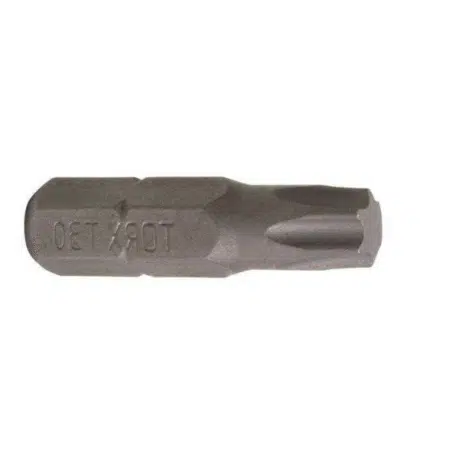
Torx T30 Bits | T30 Star Drive Screwdriver Bits for Drill & Impact Drivers
£0.25£0.30 Excl. VATIncl. VAT -
Timco Collated Nail Packs | Framing & Finishing Nails for Nail Guns
£33.10 £68.39Price range: £27.58£33.10 through £56.99£68.39 Excl. VATIncl. VAT -
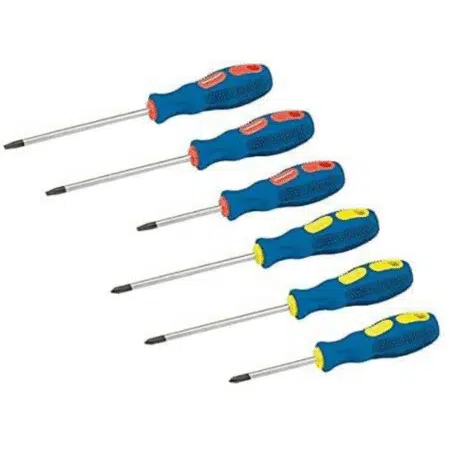
Silverline 244137 General Purpose Screwdriver Set 6 Piece
Original price was: £6.66£7.99.£5.99£7.19Current price is: £5.99£7.19. Excl. VATIncl. VAT





Reviews
There are no reviews yet.