
You can achieve strong, reliable fixings with masonry screws when you follow the right techniques. In this guide, you’ll learn step-by-step instructions for a successful installation, ensuring your projects are not only secure but also safe. Whether you’re securing fixtures or constructing outdoor features, knowing how to use these screws effectively will enhance the durability of your work. With your safety in mind, we’ll cover the necessary tools and best practices needed for optimal results.
Key Takeaways:
- Choose the correct masonry screw type and length for your project requirements.
- Drill pilot holes using the appropriate drill bit size to ensure proper installation.
- Use a torque wrench to avoid over-tightening, which may damage the material.
 Understanding Masonry Screws
 Understanding Masonry Screws
Masonry screws are specialised fasteners designed for securing materials to masonry surfaces like concrete, brick, and stone. They offer enhanced grip and hold compared to standard screws, ensuring your fixtures remain stable and secure in demanding conditions. When installed correctly, these screws can effectively support heavy loads, making them ideal for both indoor and outdoor applications.
Types of Masonry Screws
- Hex head masonry screws
- Flat head masonry screws
- Self-tapping masonry screws
- Coated masonry screws
- Long masonry screws
The right type of masonry screw can significantly affect the strength and durability of your fixings.
| Type | Use Case |
|---|---|
| Hex head masonry screws | Robust applications |
| Flat head masonry screws | Flush mounting |
| Self-tapping masonry screws | No pre-drilling needed |
| Coated masonry screws | Corrosion resistance |
| Long masonry screws | Additional holding power |
Benefits of Using Masonry Screws
Masonry screws offer numerous advantages for your projects. They provide excellent holding strength in dense materials, making them suitable for heavy fixtures and installations. Unlike traditional anchors, masonry screws eliminate the need for complex installation processes, allowing for quicker and easier fastening. Additionally, their corrosion-resistant coatings ensure long-lasting performance in harsh environments.
Using masonry screws enhances the integrity of your installations. Their unique design allows for greater pull-out resistance, ensuring that your fixtures remain secure over time. Compared to other anchoring systems, you’ll find that masonry screws reduce the risk of damage to the surrounding material, further securing your projects in place. The simplicity of their installation can save time and reduces the potential for errors, allowing you to focus on achieving the best results.
Preparing for Installation
Before submerging into the installation of masonry screws, it’s crucial to ensure all preparatory steps are thoroughly completed. This involves gathering your tools, assessing the work area, and ensuring safety measures are in place. Proper preparation not only enhances efficiency but also reduces the risk of mishaps during the installation process.
Tools and Materials Needed
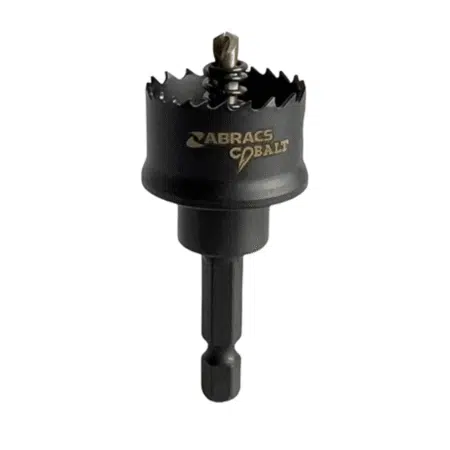
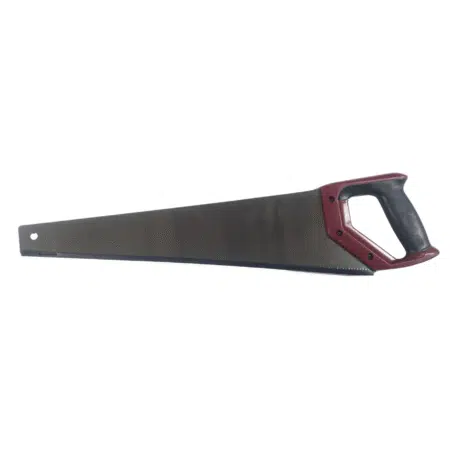
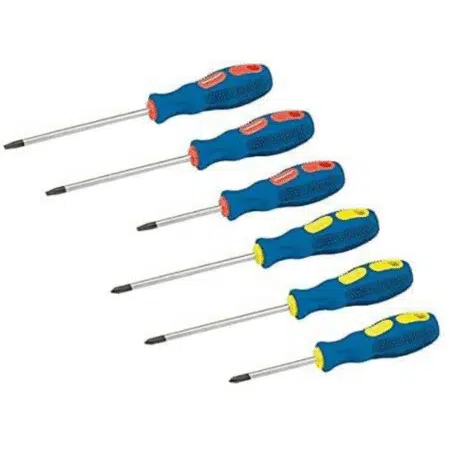
Gathering the right tools and materials is vital for successful masonry screw installation. You will need a power drill with an appropriate masonry bit, a hammer, a screwdriver, a tape measure, a level, and safety gear, such as goggles and gloves. Having a selection of masonry screws tailored to your project will ensure a secure fit.
Evaluating the Surface and Environment
Assess the surface where you will be installing the masonry screws. Ensure it is clean, dry, and free from any debris that could hinder adhesion or stability. Check for any existing cracks, moisture issues, or underlying materials that might affect the installation’s success.
Evaluating the surface requires a keen eye for details. Look for any signs of damage or degradation on the masonry, which could compromise the integrity of your installation. Additionally, consider the environment—extreme weather conditions, such as high humidity or freezing temperatures, can impact the setting time and performance of your screws. Always inspect the structural stability to ensure a secure application and minimize future complications.
Step-by-Step Installation Process
| Step | Action |
| 1 | Mark the position |
| 2 | Drill the hole |
| 3 | Insert the masonry screw |
Marking the Position
First, use a pencil or marker to accurately mark the position where you intend to install the masonry screw. Ensure your markings are level and in line with your intended fixings, as this will help in maintaining alignment when fitting items later.
Drilling the Hole
Next, drill a hole using a suitable masonry drill bit. The diameter should match the screw size recommended for your specific screw type. Make sure to drill to the correct depth, typically about 1-2 cm deeper than the length of the screw for optimal insertion.
Utilise a power drill with the appropriate drill bit, ideally one that’s designed for masonry materials. Start your drill at a moderate speed and gradually increase while applying consistent pressure. When drilling, ensure that you keep the drill perpendicular to the surface to achieve a clean and aligned hole. Dust from drilling may obstruct the screw insertion, so it’s advisable to clean out the hole before proceeding.
Inserting the Masonry Screw
Once the hole is drilled, it’s time to insert the masonry screw. Align it with the drilled hole, ensuring it’s straight before applying pressure to prevent cross-threading. Using a screwdriver or power tool, turn the screw clockwise until it’s snugly in place.
Make sure to use the appropriate tool for your screw type; a power screwdriver can expedite the process. As you tighten, monitor the screw to ensure it’s not overtightened, which could damage the masonry. For heavier items, consider using multiple screws for added strength and stability, enhancing the durability of your installation.
Tips for Successful Installation
 Tips for Successful Installation
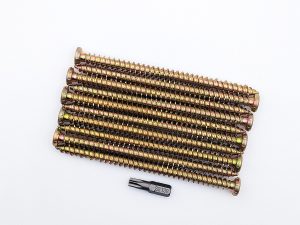
To ensure a smooth installation of masonry screws, proper preparation and technique are key. First, gather your tools, including a suitable drill, masonry bits, and a level. Pre-drilling holes will make it easier to insert the screws and minimise damage. Additionally, always check for the location of any hidden utilities before drilling. Following these steps increases the likelihood of a secure and lasting fit. After completing the installation, double-check that all screws are firmly in place.
Ensuring Proper Depth
Achieving the correct depth when installing masonry screws is vital for maximising their holding power. You should aim for the screws to penetrate the masonry surface at least 2.5cm deep, as this ensures a secure grip. Using a depth stop on your drill bit can help prevent over-drilling. After finding the right depth, you can confidently tighten the screws for the strongest hold.
Avoiding Common Mistakes
Many novice installers make common mistakes that can compromise the effectiveness of masonry screws. Failing to assess the base material can lead to inadequate weight support, while using the wrong bit size can prevent proper engagement with the screw threads. Additionally, neglecting to clear dust from the hole may hinder the screw’s grip. Focus on selecting the right screws for your material and be meticulous with your drilling technique to avoid these pitfalls.
In depth, avoiding common mistakes can significantly affect the longevity of your installation. For instance, using a hammer drill instead of a standard drill provides more power and ensures cleaner holes in masonry. Always verify that the diameter of your pilot hole matches the specifications of your chosen screws. Misalignment can also result from not using a level, leading to uneven fixtures. Adhering to a systematic approach and performing a visual inspection post-installation will help catch any errors early on.
Factors to Consider
When choosing masonry screws, several factors must be considered to ensure optimal performance. These include material compatibility, weather conditions, and load requirements. It’s necessary to assess the substrate to avoid compromised installations and potential failures. Consider the diameter and length of the screws to match specific applications. Recognising these factors will guide you in making informed decisions.
Material Compatibility
Choosing the right masonry screw entails understanding material compatibility. Different substrates, such as concrete, brick, or masonry blocks, may require specific types of screws to ensure a secure fit. Using screws not designed for your material can lead to weakened joints or even structural failure.
Weather Conditions
Weather conditions can significantly impact the performance of masonry screws. Extreme temperatures, moisture levels, and exposure to harsh environments necessitate the selection of appropriate materials that resist corrosion and environmental wear. For example, stainless steel screws are ideal for coastal areas due to their resistance to salt and rust.
Further, employing coatings like epoxy can enhance the durability of masonry screws against weather-related deterioration. Additionally, be aware that humidity can affect the setting of adhesives and other materials used alongside screws. Assessing the environmental conditions prior to installation will help ensure a lasting hold, ultimately protecting your projects from premature failures.
Maintenance and Troubleshooting
Regular maintenance and prompt troubleshooting of masonry screws ensure long-term performance and structural integrity. You should routinely inspect screws for signs of wear or corrosion and address any issues immediately to prevent further degradation or failure.
Inspecting Installed Screws
To maintain optimal performance, you need to regularly inspect each installed screw, looking for rust, looseness, or cracking. An annual inspection is ideal, especially in harsh conditions, to ensure your anchors remain secure and intact over time.
Addressing Installation Issues
If you encounter difficulties during installation, it’s vital to reassess your approach. Issues such as misalignment, insufficient depth, or inadequate torque can compromise the effectiveness of your screws. You may need to remove improperly installed screws and either fill the hole with appropriate masonry filler or re-drill to the correct specifications.
In cases where screws appear to be loose, first ensure they are driven to the recommended depth and recheck the torque specifications. If the screw still fails to secure properly, consider using a larger diameter screw or plug to establish a more stable hold. Employing high-quality masonry anchors during installation can also mitigate future complications, ensuring that your projects remain robust and reliable over time.
Conclusion
To wrap up, using masonry screws effectively requires the right tools and techniques. Start by selecting the appropriate screw type for your project and ensure your drill is equipped with a hammer function. Mark your drilling points accurately and use a masonry bit to create precise holes. Insert the screws carefully, applying steady pressure to ensure a secure fit. Following these steps will enhance the durability of your installations and provide reliable results, making your masonry projects more efficient and effective.
FAQ
Q: What are masonry screws?
A: Masonry screws are specially designed fasteners used for securing items to concrete, brick, or masonry surfaces. They feature a unique thread design that allows them to grip tightly into these materials.
Q: How do I prepare for installation of masonry screws?
A: Begin by identifying the correct size of masonry screw for your project. Gather the necessary tools, including a hammer drill, appropriate drill bit, and a screwdriver or impact driver. Ensure the surface is clean and free from dust or debris before starting.
Q: What size drill bit should I use for masonry screws?
A: The drill bit size should match the diameter of the masonry screw you are using. Typically, refer to the manufacturer’s specifications for the recommended bit size. It is important to drill a hole that is the exact diameter required for optimal anchoring.
Q: How do I install a masonry screw step-by-step?
A: First, drill a hole in the masonry surface using the correct bit. The hole depth should be slightly deeper than the length of the screw. Next, insert the masonry screw into the hole, ensuring it is aligned properly. Finally, use a screwdriver or impact driver to tighten the screw until it is secure.
Q: Are there any specific tips for ensuring a secure installation?
A: Ensure the hole is deep enough and clean from debris. Avoid over-tightening the screw, which may cause damage to the material. If you’re working with dense masonry, consider using a lubricant on the screw threads to facilitate easier installation.