
Installation of heavy-duty anchors in masonry walls can significantly enhance your project’s stability and safety. To achieve this effectively, you need to select the right type of anchor and use proper tools, ensuring both safety and durability. Proper technique is vital to avoid damaging the wall or injuring yourself. This guide will walk you through the key steps to install anchors securely, equipping you with the confidence to accomplish the task safely and effectively.
Key Takeaways:
- Choose the right type of heavy-duty anchor suitable for the specific masonry material.
- Ensure the drill bit is compatible with the anchor size and masonry type for precise installation.
- Follow the manufacturer’s guidelines for load ratings and installation techniques to ensure a secure fit.
 Understanding Heavy-Duty Anchors
 Understanding Heavy-Duty Anchors
Heavy-duty anchors are specially designed fasteners that provide superior holding power in masonry walls, ensuring your fixtures remain securely mounted even under significant stress. When identifying heavy-duty anchors, consider factors such as the wall material, anchor size, and weight of the item being mounted. The right choice can prevent costly damage and enhance the longevity of your installations. When it comes to mounting items on drywall or plasterboard, using recommended anchors for hollow walls ensures that you achieve the same level of reliability and safety. These anchors redistribute weight load effectively and minimize the risk of the fixture pulling away from the wall. By selecting the appropriate type of anchor, such as toggle bolts or molly bolts, you can also enhance the resilience of your wall installations.
Types of Heavy-Duty Anchors
Various types of heavy-duty anchors exist, each suited for different application needs and materials. Key types include:
- Expansion anchors
- Toggle bolts
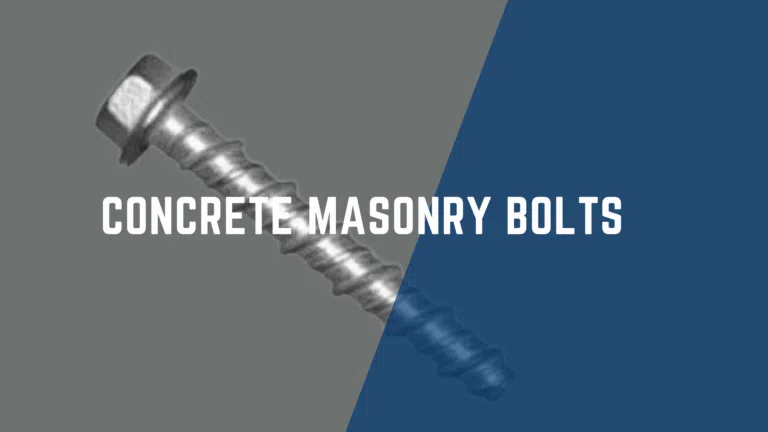
- Concrete screws
- Epoxy anchors
- Sleeve anchors
This variety ensures you can find an anchor compatible with your specific project requirements.
| Anchor Type | Material Suitable For |
| Expansion anchors | Solid masonry |
| Toggle bolts | Thin surfaces |
| Concrete screws | Concrete walls |
| Epoxy anchors | High-stress applications |
| Sleeve anchors | Brick and block |
Common Applications and Uses
Heavy-duty anchors are employed in a variety of applications, ranging from securing shelving units to mounting heavy appliances and fixtures. You’ll commonly find them in both residential and commercial settings where solid support is necessary.
Their versatility allows for use in diverse settings such as homes, offices, and warehouses, supporting loads like cabinets, televisions, and bathroom fixtures. For instance, in a kitchen remodel, heavy-duty anchors can securely hold wall-mounted cabinets, preventing accidents and ensuring functionality. Similarly, in commercial spaces, they stabilise shelves that display merchandise, catering to both aesthetic and safety needs. Choosing the appropriate anchor type based on load requirements and wall composition ensures effective performance and longevity of your installations.
Factors to Consider Before Installation
Before proceeding with installation, assess several key factors to ensure a secure fit for your heavy-duty anchors. Consider the type of masonry wall, the potential weight load, and the environmental conditions of the site. Additionally, evaluate the placement and spacing of anchors to optimise their performance.
- Masonry wall type
- Weight load
- Environmental factors
- Anchor spacing
This will significantly impact your success in installation.
Masonry Wall Composition
Understanding your masonry wall composition is important for selecting the right heavy-duty anchor. Different materials, such as brick, concrete, or stone, vary in density and strength, affecting the performance of the anchors. For instance, a dense concrete wall may require a different type of anchor compared to a softer brick wall. Knowing the composition allows you to choose anchors that will provide optimal strength and stability.
 Anchor Load Capacity
 Anchor Load Capacity
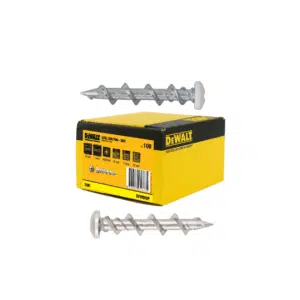
The load capacity of anchors dictates how much weight they can support, making this a vital consideration. Each anchor type has a specified load limit based on the material and conditions, so you must match the anchor’s capacity to your specific application. Always check the manufacturer’s guidelines for the maximum load to ensure safety and reliability.
Factors such as the wall’s material, the size of the anchor, and the configuration of the installation can influence the overall load capacity. For example, a wedge anchor in a concrete wall can handle weights of up to several hundred kilograms, while lag shields in a brick wall may have a significantly lower capacity. Understanding these limits allows for safer installations and minimises the risk of structural failure.
Tools and Materials Required
Successful installation of heavy-duty anchors necessitates specific tools and materials. These items ensure precision and safety while working with masonry walls. You should prepare a list of the right equipment and quality materials to help the process go smoothly.
Essential Tools for Installation
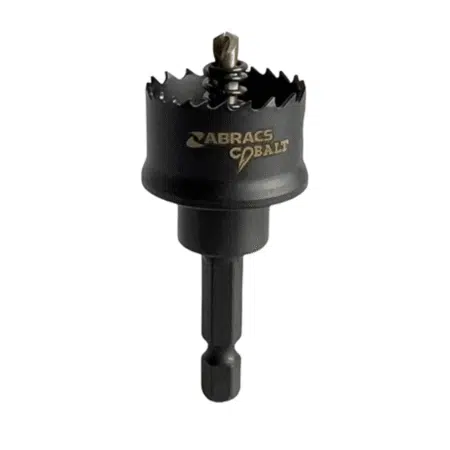
Your toolbox must include a robust hammer drill, which is vital for creating holes in hard masonry, alongside a set of drill bits specifically designed for masonry. A level ensures your anchors are aligned properly, while a tape measure helps with accurate spacing. Don’t forget safety goggles to protect your eyes from debris.
Recommended Anchor Types and Materials
Selecting the right type of anchor is vital for supporting heavy loads effectively. Options include expansion anchors, perfect for solid masonry, and adhesive anchors, suitable for both solid and hollow materials. For polymer-based applications, consider epoxy anchors for their immense strength. Confirm compatibility with your wall type for optimal results.
| Tool | Purpose |
| Hammer Drill | Create holes in masonry |
| Drill Bits | Specific for masonry |
| Level | Ensure alignment |
| Tape Measure | Accurate spacing |
Different anchor types cater to various applications and wall constructions. For instance, lag shields work well in concrete, while toggle bolts suit hollow walls. It’s advisable to choose anchors labelled for load-bearing capacity to match your project requirements. With numerous options available, identify the most effective choice based on your specific masonry type and load demands. Knowing this will enhance your installation expertise and the longevity of your repairs. choosing anchor bolts for concrete involves considering factors such as bolt length, diameter, and material composition to ensure a secure fit. It’s also important to verify the compatibility of the bolts with any additives in the concrete mix, as these can affect performance. Ultimately, the right selection will provide a stable foundation for your project, ensuring safety and durability.
- Lag Shields
- Expansion Anchors
- Toggle Bolts
- Epoxy Anchors
- Adhesive Anchors
| Anchor Type | Best Use |
| Expansion Anchors | Solid masonry |
| Epoxy Anchors | High-strength applications |
| Toggle Bolts | Hollow walls |
| Lag Shields | Concrete and brick |
You can enhance your masonry project significantly by understanding the types of anchors available and their specific use cases. Make your selections based on the masonry type and the load requirements, ensuring durability and reliability in your installations. Knowing these details enables you to make informed choices that can prevent potential installation failures.
Step-by-Step Installation Process
| Phase | Description |
| Preparing the Masonry Surface | Ensure the wall is clean, dry, and free of debris before starting. |
| Installing the Anchors Properly | Use the correct tools and techniques to secure anchors effectively. |
Preparing the Masonry Surface
Cleaning the masonry surface is crucial for a secure anchor installation. Remove any loose material, dust, and grease using a wire brush or vacuum. A smooth, even surface will allow for better adhesion and ensure that the anchors perform to their maximum capacity.
Installing the Anchors Properly
Position the anchor in the pre-drilled hole and apply firm pressure to ensure it sets correctly within the masonry. Using the recommended drill bit size for the anchor type will prevent damage and ensure a snug fit. Follow the manufacturer’s instructions meticulously for optimal results. When considering masonry screws installation techniques, it is important to also account for the type of masonry material you are working with to choose the right screw design. Proper selection and installation will enhance the durability of your project, ensuring that the screws hold securely over time. Additionally, consider using a torque wrench to achieve the appropriate tightening, which can prevent stripping and ensure optimal performance in various applications.
After placing the anchor, you may need to tap it gently with a hammer to fully seat it into the hole, ensuring it is flush with the surface. Pay attention to any signs of resistance or improper alignment, as this may indicate that the anchor is not installed correctly. For added stability, consider using epoxy or a chemical anchor in cases where weight-bearing loads are significant.
Tips for Ensuring Safety
 Tips for Ensuring Safety
Adhering to safety measures is paramount when installing heavy-duty anchors. Ensure you have a clear work area and that all tools are in good condition. Follow these guidelines to maintain safety:
- Always wear appropriate personal protective equipment (PPE).
- Double-check that the masonry wall is structurally sound.
- Secure your work area to prevent accidents.
- Be aware of any electrical or plumbing lines within the wall.
Knowing these tips ensures a safe installation process.
Personal Protective Equipment (PPE)
Selecting the right personal protective equipment is vital for your safety. Equip yourself with safety goggles to protect your eyes from dust and debris. Wearing a hard hat is advisable if you are working underneath any structures or where items may fall. Ear protection can also be beneficial if you are using power tools. Sturdy gloves will guard your hands against sharp tools and materials.
Precautions During Installation
Taking precautions during the installation process significantly reduces the risk of accidents. Ensure you use the correct tools for each specific anchor type, as using inappropriate tools can lead to failure or injury. Maintain a stable stance while working, and be cautious of your surroundings. Providing sufficient lighting aids visibility, especially in dimly lit spaces.
Pay attention to the manufacturer’s instructions for the heavy-duty anchors you are using, as they may offer specific safety guidance tailored to their products. Check for any warning labels on the anchors regarding load limits and installation techniques. If working on taller walls, consider using stable ladders or scaffolding to maintain secure footing. Always maintain a clear line of sight and communicate with others on-site to avoid accidental mishaps. An awareness of your actions and surroundings can contribute significantly to a safer working condition.
Troubleshooting Common Issues
If you encounter problems during your anchor installation, identifying and addressing these issues promptly is crucial for achieving a secure hold. Common issues include misalignment of the anchor holes and signs of potential anchor failures, which can jeopardise the entire structure. Keeping a close eye on these aspects ensures a successful installation.
Misalignment Troubles
Misalignment occurs when the drilled holes do not align with your anchor’s specifications. This often results in insufficient grip. If you notice this, re-drill the holes ensuring they match the anchor dimensions precisely. Using a template can significantly improve accuracy, minimising the risk of this issue.
Anchor Failure Signs
Watch for indications of anchor failure such as cracking of the masonry, movement of the anchored object, or visible loosening of the anchor. These signs suggest that the anchor may not be securely mounted and could fail to hold weight safely.
For instance, if you observe deep cracks radiating from the anchor point or if you can twist the anchor with your hands, these are strong indicators of failure risks. Additionally, listen for any creaking or popping sounds when weight is applied, which could signify that the anchor is shifting. Addressing these issues immediately by reinforcing the anchor or re-evaluating the installation method can prevent potential accidents and enhance the overall stability of your setup.
To wrap up
Drawing together the key points, installing heavy-duty anchors in masonry walls requires careful preparation and execution. Ensure you select the appropriate anchor type for your specific application and drill accurately to avoid damage. Always wear protective gear during installation and use the correct tools to secure your anchors effectively. By following these guidelines, you can enhance the stability of your fixtures, ensuring they are safely and securely anchored to withstand stress and load.
FAQ
Q: What tools do I need to install heavy-duty anchors in masonry walls?
A: You will need a power drill with a masonry bit, a hammer, a wrench, a vacuum cleaner or brush for dust removal, and safety goggles for eye protection.
Q: How do I determine the correct size of the heavy-duty anchor for my project?
A: The correct size depends on the weight of the object you are securing and the type of masonry wall. Check the manufacturer’s specifications for load ratings and choose an anchor that matches or exceeds the weight requirements.
Q: What type of masonry is suitable for heavy-duty anchors?
A: Heavy-duty anchors can be installed in various types of masonry, including concrete, brick, and block. Ensure that the material is durable and in good condition before installation.
Q: How do I ensure the anchor is installed correctly?
A: Drill a pilot hole to the recommended size based on the anchor’s specifications. Clean the hole of any dust or debris, then insert the anchor according to the manufacturer’s instructions. Test the fit and strength before hanging your object.
Q: What safety precautions should I take when working with masonry and heavy-duty anchors?
A: Wear safety goggles to protect your eyes from dust and debris. Use a dust mask if you are sensitive to dust. Ensure proper ventilation in the workspace, and handle tools carefully to avoid injuries.