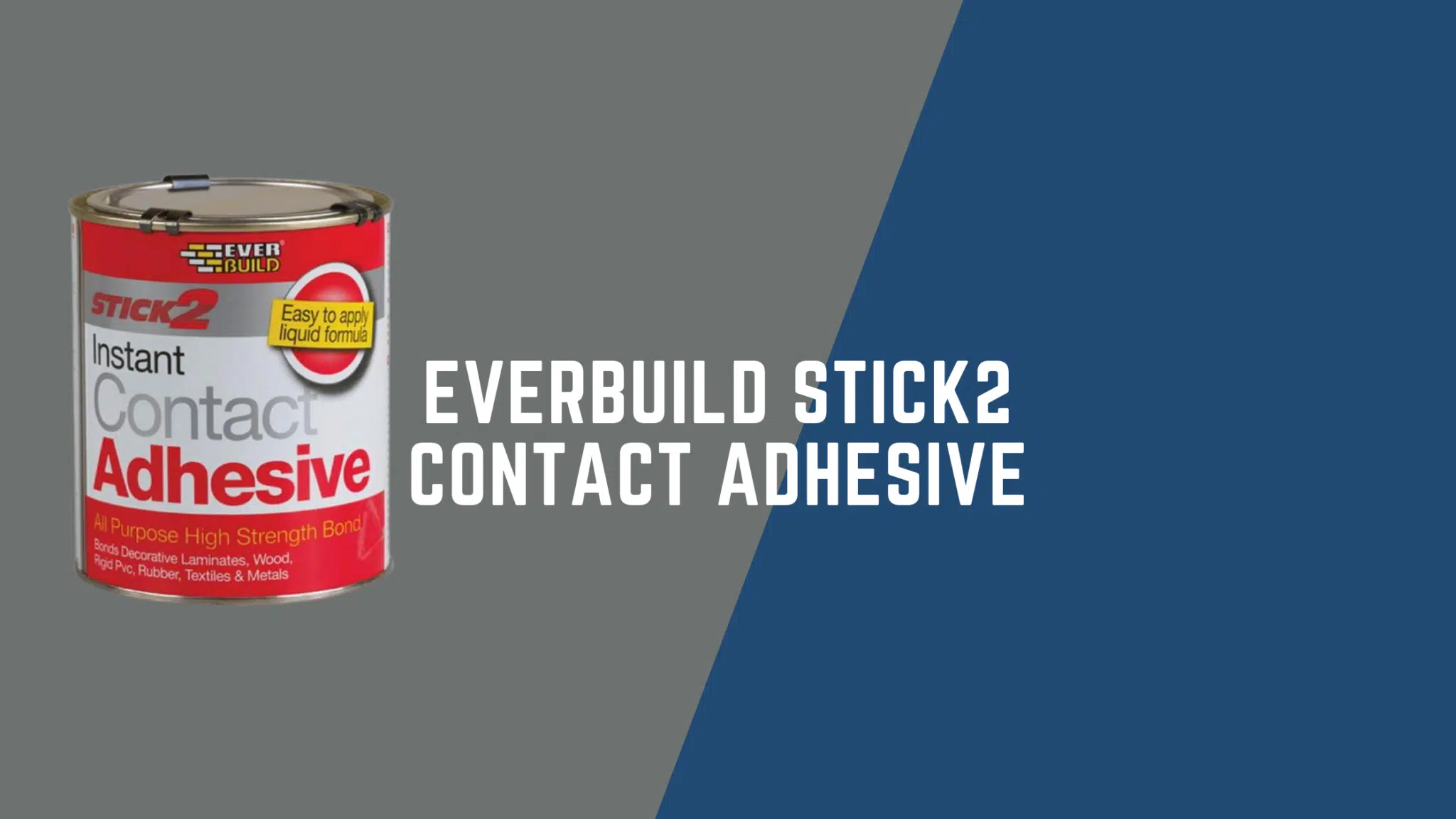
Adhesive plays a vital role in ensuring strong bonds between various materials, and using Everbuild Stick2 Contact Adhesive correctly maximises its effectiveness. This guide will walk you through the necessary steps to achieve a secure bond while maintaining safety and efficiency in your projects. You’ll learn about vital application techniques and tips for avoiding potential hazards, ensuring that your adhesive experience is both successful and safe. Follow along to master the use of this versatile product.
There’s a simple yet effective method to achieve excellent results with Everbuild Stick2 Contact Adhesive. This guide will take you through the necessary steps to use this powerful adhesive safely, ensuring a strong bond for various materials. You’ll learn about the important safety precautions, the proper application techniques, and tips for achieving the best results, making your projects quicker and more efficient.
Key Takeaways:
- Ensure surfaces are clean and dry before applying the adhesive for optimal bonding.
- Apply the adhesive evenly on both surfaces and allow it to become tacky before joining them together.
- Use appropriate safety measures, such as gloves and proper ventilation, during application to avoid irritation.
Key Takeaways:
- Ensure surfaces are clean and dry before application to achieve optimal adhesion.
- Apply the adhesive evenly to both surfaces for effective bonding.
- Allow adequate drying time to avoid premature stress on the bond.
Understanding Everbuild Stick2 Contact Adhesive
The Everbuild Stick2 Contact Adhesive is a versatile bonding solution designed for a wide range of materials. Its fast-setting formula allows for quick application, making it ideal for both DIY projects and professional use. This adhesive is particularly effective on porous and non-porous surfaces, ensuring a strong, lasting bond across various applications.
Product Overview
This adhesive is formulated for high performance, featuring a strong solvent-based composition. Everbuild Stick2 is renowned for its reliability and efficiency, especially when working with materials such as wood, metal, and plastics. Its ability to adhere to tricky surfaces gives you the confidence needed for both intricate and robust projects.
Key Features
Everbuild Stick2 boasts several noteworthy attributes that enhance its usability. Strong adhesion ensures your materials stay firmly in place, while fast setting time allows for rapid completion of jobs. It is suitable for both internal and external use, making it versatile, and its weather-resistant properties improve durability in various conditions. The
- Strong adhesion for reliable bonding
- Fast setting time for quicker project completion
- Suitable for internal and external use
- Weather-resistant properties for improved durability
The unique formulation of Everbuild Stick2 allows for the bonding of a wide array of materials, which expands your project’s potential applications. Its fast setting nature means you can continue with your work sooner, enhancing productivity and efficiency.
Understanding Everbuild Stick2 Contact Adhesive
In adhesives, Everbuild Stick2 Contact Adhesive stands out for its versatility and strong bonding capabilities. This solvent-based adhesive is ideal for various materials, including wood, metal, and plastics, ensuring that you achieve a reliable hold in your projects. Its quick-drying formula allows for efficient application and is suitable for both large-scale and intricate tasks.
What is Contact Adhesive?
Contact adhesive is a type of adhesive that forms a strong bond when two coated surfaces come into contact with one another. It is particularly effective for applications requiring immediate bonding, as both surfaces are coated and allowed to dry before being pressed together. This adhesive works well on a wide range of materials, making it a popular choice among DIY enthusiasts and professionals alike.
Benefits of Using Everbuild Stick2
Everbuild Stick2 offers numerous advantages, such as its strong initial tack and quick drying time, which allows you to handle materials almost immediately. Its versatility means it can bond diverse substrates effectively, while the durable bond it creates ensures lasting results even in high-stress situations.
Using Everbuild Stick2 not only enhances your project’s efficiency but also elevates the quality of your work. With a bond strength that can withstand moisture and temperature fluctuations, it is perfect for both indoor and outdoor applications. Moreover, the user-friendly application process, combined with its fast curing time, reduces downtime, making it an excellent choice for professionals who require reliability and effectiveness in their adhesive solutions.
Surface Preparation
Proper surface preparation is crucial for maximising the effectiveness of Everbuild Stick2 Contact Adhesive. Before applying the adhesive, ensure the surfaces are clean, dry, and free from dust, grease, or any contaminants that may hinder adhesion. Inspect the materials thoroughly to guarantee optimal bonding performance, as well-prepared surfaces significantly improve the outcome of your project.
Cleaning the Area
To clean the area effectively, use a suitable solvent or cleaning agent to remove any dirt, oil, or residues. Wipe down the surfaces with a lint-free cloth to ensure no particles remain that could compromise the bond. Allow the surfaces to dry completely before proceeding with adhesive application to ensure the best possible results.
Material Compatibility
Before bonding, it’s important to check the compatibility of the materials you intend to use with Everbuild Stick2 Contact Adhesive. Different materials may react differently to the adhesive, affecting the bond strength and durability.
Preparing for Application
Before you begin applying Everbuild Stick2 Contact Adhesive, ensure you have adequately prepared your workspace and materials. Proper preparation will influence adhesion quality and longevity. Always work in a well-ventilated area and consider protecting adjacent surfaces from any potential adhesive overspill, ensuring a tidy application process.
Required Tools and Materials
You will need several tools and materials for an effective application of the adhesive. Essential items include safety gloves, a clean cloth for surface cleaning, a suitable applicator (like a brush or roller), and your chosen materials to bond. Having everything at hand will streamline your application process.
Surface Preparation Techniques
Preparing the surfaces before adhesive application significantly enhances the bonding strength. Clean both surfaces thoroughly to remove dust, oil, or old adhesive residue. Using a suitable cleaner or solvent can help achieve a completely smudge-free area. Ensure that both surfaces are completely dry before proceeding.
For optimal adhesion, surface preparation is key. Begin by wiping surfaces with a clean, lint-free cloth to eliminate dirt and debris. If there are stains or grease, use a solvent-based cleaner compatible with the materials you are bonding. For porous surfaces, such as wood, sanding may be necessary to expose fresh material and improve adhesion. After cleaning, inspect the surfaces for any imperfections, as these may affect the bond’s durability. Always allow any solvents or cleaners to evaporate entirely before applying the adhesive, as moisture can compromise bonding strength.
Application Techniques
To achieve optimal results with Everbuild Stick2 Contact Adhesive, a clear understanding of application techniques is important. Start by ensuring that both surfaces are adequately prepared; clean, dry, and free from contaminants. Apply the adhesive evenly across both surfaces, using a suitable applicator to control the flow. Avoid excessive application, as this can lead to uneven bonding.
Proper Usage Instructions
For best outcomes, apply a thin layer of the adhesive on both surfaces, allowing it to partially cure before bonding. Press the surfaces together firmly, holding them in place according to the manufacturer’s recommended time. Align your materials accurately before contact, as the adhesive will bond immediately upon contact.
Tips for Even Application
Achieving an even application requires attention to detail. Use a brush or roller for broader surfaces and a nozzle extension for precision. Maintain a consistent pressure when applying the adhesive, and avoid reapplying to areas that have already begun to dry. This ensures uniform distribution and prevents unsightly lumps.
- Use a brush or roller for large areas.
- Utilise a nozzle extension for corners and edges.
- Check the adhesive thickness during application.
- Ensure consistent pressure when applying.
- Aim for a uniform distribution to prevent lumps.
To further enhance the effectiveness of your application, consider the environment in which you are working. Ideal temperatures range around 20-25 degrees Celsius, as extreme conditions can affect curing time and adhesive performance. Practice efficient techniques by working in small sections, allowing for thorough attention to detail without the adhesive drying out prematurely. This will ensure the best possible bond.
- Maintain a temperature range of 20-25 degrees Celsius.
- Work in small sections for better control.
- Monitor curing time to ensure adhesion.
- Keep the workspace free from dust and contaminants.
- Ensure thorough attention to detail during application.
Step-by-Step Application Process
| Step | Description |
| 1 | Gather all necessary tools and materials, ensuring your workspace is well-lit and organised. |
| 2 | Open the adhesive and apply a uniform layer on both surfaces using a brush or roller. |
| 3 | Allow the adhesive to achieve tackiness before bringing the surfaces together. |
| 4 | Firmly press the surfaces together, ensuring even contact. |
| 5 | Allow the bond to cure for at least 24 hours for maximum strength. |
Applying the Adhesive
For optimal results when applying Everbuild Stick2 Contact Adhesive, use a brush or roller to spread a thin, even coat over both surfaces. Avoid excessive thickness to prevent lengthy drying times and weak bonds. Maintaining a consistent pressure while applying will ensure complete coverage, which is imperative for a strong bond.
Bonding Techniques
Effective bonding techniques enhance the performance of your adhesive application. After applying the adhesive and allowing it to become tacky, align the surfaces carefully. Apply even pressure across the entire area to promote a solid bond, and consider using clamps or weights to maintain pressure during the curing phase.
This technique is vital as proper alignment before pressing the surfaces together can prevent misalignment, which may compromise the bond’s integrity. If you’re working with large materials, consider dividing them into smaller sections for easier handling. Also, for porous materials, applying two coats may provide better adhesion, with sufficient drying time between applications. Practising these techniques will ensure your projects withstand the test of time.
Curing and Setting Time
The curing and setting time for Everbuild Stick2 Contact Adhesive plays a significant role in ensuring a strong bond. Typically, the adhesive achieves a tacky consistency within 15 minutes and can be fully cured in approximately 24 hours, depending on environmental conditions. Proper allowance of this time frame will significantly influence the integrity of your bond, so avoid any stress on the joined materials until the adhesive has fully set.
Recommended Curing Conditions
For optimal curing of Everbuild Stick2 Contact Adhesive, maintain a temperature range of 10°C to 30°C and a relative humidity level below 70%. These conditions allow the adhesive to bond effectively, minimising the risk of premature failure. Ensure adequate ventilation in the workspace as well, promoting a faster curing process.
How to Know When It’s Ready
You can determine when Everbuild Stick2 Contact Adhesive is ready for use by checking its tackiness. When the adhesive turns clear and feels tacky to the touch, it is suitable for joining surfaces. Avoid pressing the surfaces together too soon, as premature contact can weaken the bond.
To assess whether the adhesive is fully ready, conduct a gentle test by applying slight pressure on the joined materials. If they hold firmly without any movement, the adhesive has cured appropriately. Additionally, ensure no residue remains on your fingers, as this indicates the adhesive’s readiness. If you encounter any stickiness, allow more time for the bond to set properly before placing any stress on the joined components.
Tips for Effective Use
- Ensure surfaces are clean and dust-free for the best bonding.
- Use adequate ventilation to reduce fumes.
- Apply the adhesive liberally but avoid excessive application.
- Wait the recommended time before bonding for optimal strength.
Perceiving the importance of these tips can significantly enhance your experience with this adhesive.
Common Mistakes to Avoid
Avoid common pitfalls such as neglecting to clean surfaces thoroughly or applying adhesive without the required waiting time. These oversights can lead to weak bonds or even adhesive failure. Additionally, don’t skimp on the amount; insufficient adhesive can weaken the overall integrity of your project.
Best Practices for Adhesive Application
For optimal results when applying Everbuild Stick2 Contact Adhesive, always ensure a thorough clean of surfaces before application. Apply an even layer on both surfaces, taking care to cover edges and corners. Allow adequate drying time, usually around 10-20 minutes, before bringing surfaces together to form a strong, durable bond. Press firmly for a few seconds to ensure proper adhesion. Always work in a well-ventilated area to maintain safety.
Safety Precautions
Prioritising safety while using Everbuild Stick2 Contact Adhesive is necessary to prevent potential hazards. Always ensure you’re equipped with the necessary personal protective equipment and work in an adequately ventilated area to avoid inhaling harmful fumes. Follow the manufacturer’s guidelines closely and keep the adhesive away from children and pets.
Personal Protective Equipment
When working with Everbuild Stick2 Contact Adhesive, wearing appropriate personal protective equipment (PPE) is vital. Use safety goggles to protect your eyes, gloves to prevent skin irritation, and a mask to reduce the inhalation of fumes. This will enhance your safety while minimising exposure to potentially hazardous substances.
Ventilation Considerations
Good ventilation is key to a safe working environment when using Everbuild Stick2 Contact Adhesive. Conduct your work in an open space or ensure windows are open. If you’re indoors, use fans or an extractor to vent fumes outside. This will help mitigate the risks associated with inhalation.
To maximise ventilation, consider setting up your workspace near a window or door. Propping open both allows for cross-ventilation, significantly lowering the concentration of fumes in the air. If you’re working on a larger project, investing in a portable air filter can also enhance air quality and improve overall safety during application.
Safety Precautions
Prioritising safety while using Everbuild Stick2 Contact Adhesive is crucial to prevent injuries and ensure a successful application. Always read the manufacturer’s instructions carefully, and be aware of the product’s potential hazards. Ensure you handle the adhesive in a way that minimises contact with skin and eyes, and be cautious of its strong fumes in confined spaces.
Personal Protective Equipment
To safeguard yourself during application, always wear appropriate personal protective equipment. This includes gloves to protect your hands from the adhesive, safety goggles to shield your eyes from splashes, and a mask to avoid inhaling harmful vapours, especially in poorly ventilated areas.
Ventilation and Workspace Considerations
Ensure your workspace is well-ventilated when using Everbuild Stick2 Contact Adhesive. This not only helps to reduce the strong fumes but also improves your comfort and concentration. Ideally, work outdoors or in an open area; if that’s not feasible, utilise fans or open windows to enhance airflow.
Stagnant air increases the concentration of harmful vapours, which can lead to headaches or dizziness during application. Therefore, aim for a workspace with good air circulation, avoiding enclosed spaces. Additionally, clear away any flammable materials and maintain a clutter-free environment. This ensures easy access to your tools and an overall safer working area, contributing to a more efficient application process.
Troubleshooting Common Issues
If you encounter issues while using Everbuild Stick2 Contact Adhesive, identifying the problem quickly can save you time and effort. Common issues include poor adhesion and over-application effects, both of which can compromise your project. By understanding these problems, you can take corrective steps to ensure a successful bond.
Poor Adhesion
Poor adhesion often results from insufficient surface preparation. To achieve optimal bonding, ensure that surfaces are clean, dry, and free from dust or grease. If you notice the adhesive isn’t holding, check that you applied the correct amount and allowed it to set properly before making contact.
Over-application Effects
Over-application of the adhesive can lead to a messy finish and may weaken the overall bond. Excess adhesive can cause materials to slide or not bond effectively, resulting in longer drying times and decreased strength.
When too much adhesive is applied, it can ooze out from the edges when pressure is applied, creating a messy appearance and affecting the aesthetic quality of your work. Additionally, it may lead to difficulties in repositioning materials, as the adhesive can create a barrier that prevents proper alignment. To avoid this, apply a thin, even layer and ensure compatibility with the surfaces involved. Following the manufacturer’s guidelines on application thickness will typically mitigate these risks and enhance the overall effectiveness of your adhesive bond.
Troubleshooting Common Issues
When using Everbuild Stick2 Contact Adhesive, you may encounter various challenges that can affect your project’s outcome. Identifying and addressing these common issues swiftly is imperative for achieving a reliable bond. From inadequate surface preparation to improper drying times, understanding these problems can guide you towards effective solutions.
Adhesive Failures
If you experience adhesive failures, the cause may lie in improper application or incompatible materials. Ensure surfaces are clean, dry, and free of contaminants. It’s also important to verify that the adhesive is suitable for the specific materials you are using, as not all surfaces will bond effectively.
Repairing Bonding Problems
To tackle bonding problems, start by assessing the condition of the bond. If the adhesive has not reached its full curing potential, allow it additional time. For areas that have completely failed, carefully remove the old adhesive and reapply Stick2, ensuring both surfaces meet the recommended preparation standards for optimal adhesion.
Should you find that the adhesive has not formed a proper bond, consider re-preparing the surfaces. This might involve sanding rough areas or cleaning with an appropriate solvent to eliminate grease and dust. After ensuring suitability, reapply the adhesive, taking care to follow the recommended application thickness and technique. Doing so can vastly improve adhesion and ensure a lasting bond.
Conclusion
Summing up, using Everbuild Stick2 Contact Adhesive effectively involves following a series of straightforward steps to ensure optimal bonding. By preparing your surfaces, applying the adhesive carefully, and allowing sufficient curing time, you will achieve a durable attachment for your projects. Always adhere to the manufacturer’s guidelines for best results and ensure a tidy workspace for ease of use. With these practices, you can maximise the performance of Stick2 Contact Adhesive in your applications.
Final Words
As a reminder, using Everbuild Stick2 Contact Adhesive properly will ensure a strong and lasting bond for your projects. Follow the step-by-step guide, including thorough surface preparation, applying the adhesive evenly, and allowing the necessary drying time. Make sure to press the surfaces firmly together to achieve the best results. By adhering to these guidelines, you can optimise the effectiveness of the adhesive and enhance the quality of your work.
FAQ
Q: What surfaces can I use Everbuild Stick2 Contact Adhesive on?
A: Everbuild Stick2 Contact Adhesive is suitable for a variety of surfaces including wood, metal, glass, ceramic, and certain plastics. Always check compatibility with specific materials before application.
Q: How do I prepare the surfaces before applying the adhesive?
A: Surface preparation involves ensuring that both surfaces are clean, dry, and free of dust, grease, or any contaminants. For best results, lightly sand rough surfaces and wipe down with a suitable solvent.
Q: What is the application process for Everbuild Stick2 Contact Adhesive?
A: Apply a thin, even layer of adhesive to both surfaces using a brush or a spreader. Allow the adhesive to become tacky, usually around 10-15 minutes, before bringing the surfaces together firmly.
Q: How long does it take for the adhesive to fully cure?
A: The adhesive will typically reach handling strength within 15-30 minutes, but full curing may take up to 24 hours depending on the materials and environmental conditions.
Q: Can I adjust the position of the materials after bonding?
A: Once the surfaces are pressed together, they form a strong bond and cannot be repositioned. It is important to align carefully before making contact.