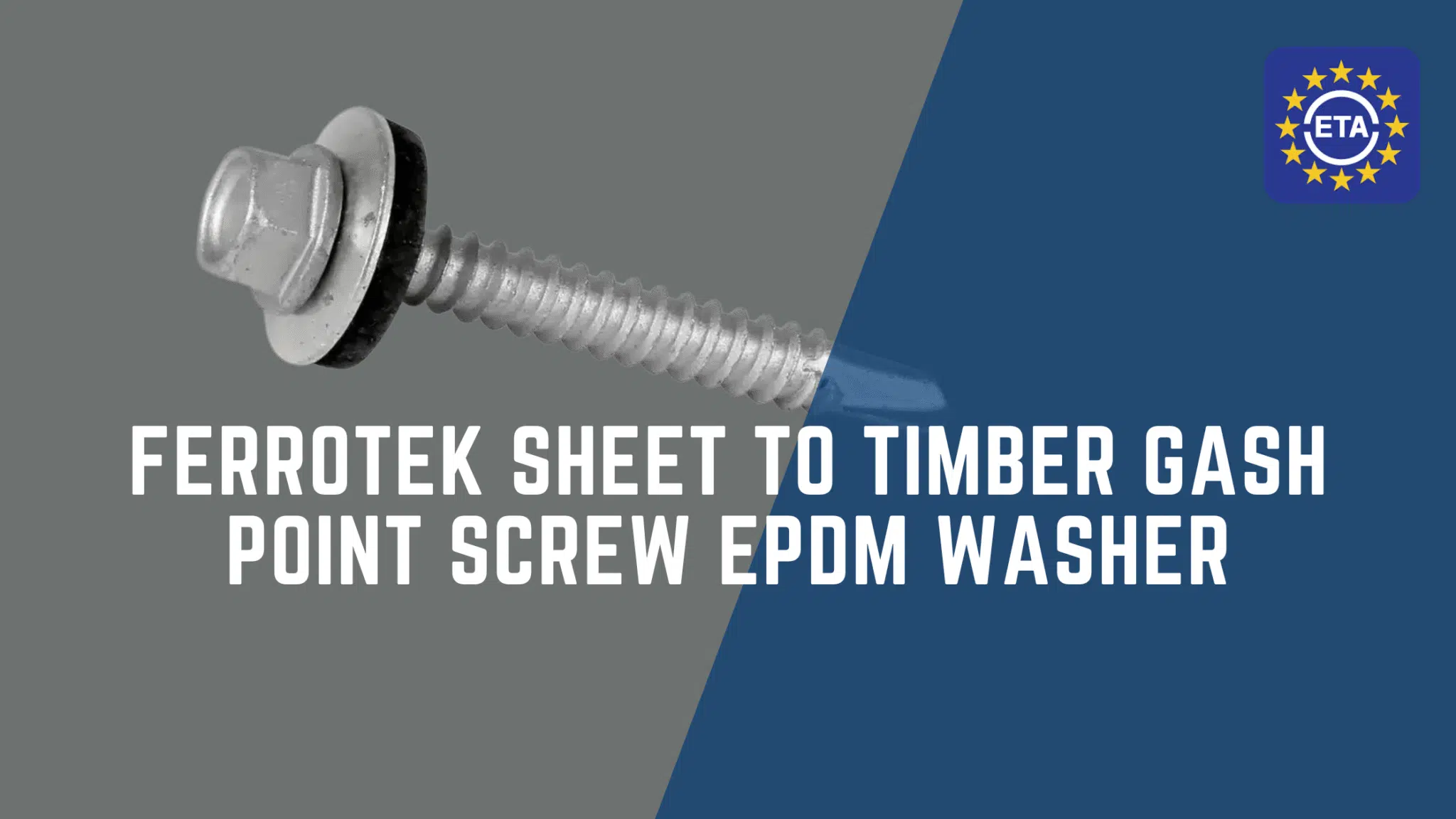
Ferrotek provides a reliable solution for securing sheets to timber with their Gash Point Screw and EPDM Washer combination. This product is engineered to offer excellent sealing and prevent moisture ingress, ensuring the longevity of your timber projects. By utilising these screws, you enhance structural integrity while protecting your materials from weather-related damage. With their easy installation, you can confidently complete your projects knowing your investments are well-protected.
Key Takeaways:
- Ferrotek sheet to timber gash point screws come equipped with EPDM washers, enhancing their ability to create a watertight seal when fastening sheets to timber substrates.
- The gash point design of the screws promotes effective penetration into the timber, minimising the risk of splitting and ensuring a secure fit.
- EPDM washers provide excellent resistance to weathering and ageing, making these screws suitable for both indoor and outdoor applications.
 Designing for Durability: The Role of Ferrotek Sheet
 Designing for Durability: The Role of Ferrotek Sheet
Durability is a key consideration in the design of modern structures, and Ferrotek sheet plays a pivotal role in this regard. Its robustness ensures that your constructions withstand the test of time whilst offering excellent resistance against environmental stresses. By integrating this material, you can enhance the longevity of your projects, significantly reducing the likelihood of costly repairs and maintenance down the line.
Material Properties of Ferrotek
Ferrotek’s material composition is characterised by its high tensile strength and corrosion resistance, making it an ideal choice for applications exposed to the elements. Its weight-to-strength ratio ensures that your structures maintain structural integrity without unnecessary bulk. Furthermore, its ability to withstand temperature fluctuations adds another layer of reliability to your designs.
Applications in Construction and Renovation
Ferrotek sheet is versatile in its applications, proving invaluable for both new constructions and renovation projects. From roofing solutions to wall cladding, you can employ it in various contexts to meet your specific needs. The material’s adaptability allows for seamless integration into existing architectural styles, providing not only functionality but also aesthetic appeal.
In renovation projects, Ferrotek sheet is particularly useful for improving the performance of older structures. For example, its use in upgrading the cladding on a commercial building can enhance thermal efficiency, resulting in energy savings of up to 30% annually. By retrofitting with Ferrotek, you’re not only extending the lifespan of the building but also reducing operational costs, making it a smart investment for progressive property owners.
Timber Gash Point Screw: Functionality and Specifications
Timber gash point screws feature a specific design intended for enhanced penetration and grip within wooden substrates. These screws possess a unique gash point tip that facilitates quick insertion while reducing wood splitting. Typically available in various lengths and diameters, they cater to different structural requirements, ensuring a secure fit in both soft and hard woods. Their corrosion-resistant coatings further enhance durability, making them suitable for a range of external applications.
Engineering Insights into Screw Design
The engineering of timber gash point screws involves precision design elements that optimise performance. The gash point tip allows for effective cutting and deeper engagement into the wood fibres, which serves to not only simplify installation but also enhance holding power. This design consideration reduces the likelihood of slippage during use, contributing to the overall integrity of the assembly.
Benefits of Timber Gash Point Screws in Wood Applications
Timber gash point screws offer a compelling advantage in wood applications due to their efficient penetration and reduced risk of damage to the material. Their design enables rapid installation, which can significantly cut down on labour time. Additionally, the EPDM washers that accompany these screws ensure superior water resistance, safeguarding your projects against moisture-related issues. This makes them a preferred choice for both structural and aesthetic applications.
Utilising timber gash point screws leads to significant improvements in project efficiency. Their ability to drive effortlessly into fibre structures means you can expect faster assembly times, reducing labour costs. Furthermore, because these screws reduce the chance of cracking or splintering in wood, you can achieve cleaner finishes with less waste. In projects where waterproofing is paramount, the accompanying EPDM washers provide an added layer of protection, ensuring your completed projects remain robust against environmental factors. Choosing timber gash point screws equips you with reliable, long-lasting solutions tailored to the complexities of wooden construction.
 The Importance of EPDM Washers in Construction
 The Importance of EPDM Washers in Construction
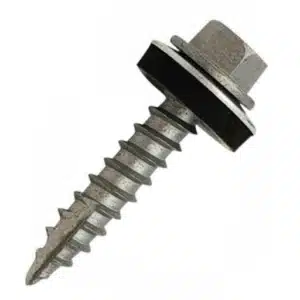
EPDM washers play a vital role in ensuring the integrity and durability of fastenings in various construction applications. By providing an effective barrier against water ingress, these washers significantly reduce the risk of moisture-related damage, thereby prolonging the lifespan of your structures and fixtures. Your projects can benefit from the improved stability they offer, maintaining structural integrity even under demanding conditions. As you select fasteners, considering washers made from this synthetic rubber can enhance overall performance and reliability in rainy or humid environments.
Chemical Resistance and Longevity
One of the standout features of EPDM washers is their exceptional chemical resistance. They withstand exposure to a variety of substances, including acids, alkalis, and oxidative agents, making them suitable for diverse environments in construction. This resilience contributes to their long lifespan, often lasting up to 20 years, depending on conditions. Lower replacement frequency translates to reduced maintenance costs for you, enabling more efficient project management. Investing in EPDM washers ensures that your installations remain secure and free from leaks over time.
Practical Considerations for Installation
Installing Ferrotek sheets with the appropriate components requires attention to detail for optimal performance. Ensure that the underlying surfaces are clean and dry to facilitate proper adhesion and sealing. Using the correct number of screws (typically spaced 300mm apart) will prevent movement and reduce the risk of leaks or instability. Additionally, consider temperature fluctuations in your environment, as thermal expansion can affect the integrity of the installation.
Best Practices for Using Ferrotek Sheets and Screws
Using Ferrotek sheets and screws effectively starts with pre-drilling holes to avoid material splitting. It’s advisable to apply a layer of EPDM washer beneath the screw heads—this enhances the waterproof seal and prevents corrosion over time. Additionally, ensure the screws are tightened to the manufacturer’s recommended torque settings, which contributes to the longevity and security of the installation.
Common Installation Mistakes and How to Avoid Them
Skimping on preparation is often a common pitfall during installations. Neglecting to level surfaces or failing to clean them can lead to installation failures. Always verify that your Ferrotek sheets are being laid out in the correct orientation and that all screws are installed with the EPDM washers. Oversights in these aspects may result in a compromised structure.
Among the most frequent mistakes is improper spacing of screws, which can result in insufficient fastening and potential lifting of the Ferrotek sheets. Always adhere strictly to the recommended screw spacing to ensure even support. In addition, the misuse of sealants or adhesives can lead to leaks; ensure that you are using compatible products designed for use with Ferrotek materials. Educating yourself about the specific requirements of the tools and components you are working with will significantly enhance the reliability of your installation.
The Economic Impact of Choosing Quality Fasteners
Opting for high-quality fasteners is a significant financial decision that can affect your bottom line. While the initial investment may be higher, the long-term benefits of durability and performance often outweigh the upfront costs. Quality fasteners reduce the need for frequent replacements and maintenance, offering a more reliable solution for your construction needs.
Long-term Savings from Durable Materials
 Long-term Savings from Durable Materials
Investing in durable materials not only enhances the structural integrity of your projects but also leads to long-term savings. With quality fasteners, you avoid the costs associated with frequent repairs and replacements, thus allocating your budget more efficiently over time.
Comparative Analysis: Cost vs. Performance
A thorough cost-performance analysis reveals that cheaper alternatives often compromise on quality, leading to higher long-term expenses. Quality fasteners may have a higher upfront cost but bring substantial benefits such as enhanced lifespan, reduced failure rates, and overall improved project efficiency. These performance gains can save you substantial amounts in the long run.
Cost vs. Performance Breakdown
| Quality Fasteners | Cheap Alternatives |
| Higher initial cost | Lower initial cost |
| Longer lifespan | Shorter lifespan |
| Fewer assembly failures | More assembly failures |
| Better performance under stress | Weaker performance under stress |
The comparative analysis shows that while you may initially hesitate at the higher cost of quality fasteners, you are investing in reliability. For example, studies indicate that a well-made fastener can last up to three times longer than a cheaper counterpart, translating to significant cost savings and reduced downtime on projects. Such long-term reliability enhances your reputation for quality workmanship, which can attract more clients and boost your business in the competitive construction market.
Final Words
Presently, understanding the specifications of the Ferrotek Sheet to Timber Gash Point Screw with EPDM Washer is imperative for ensuring optimal fastening and durability in your projects. The combination of robust materials and precise design means that you can achieve reliable performance for various applications. By utilising this product correctly, you enhance the integrity of your constructions, maximising both efficiency and longevity. Always consider the implications of your choices in materials for achieving the best results in your woodworking tasks.
FAQ
Q: What is the Ferrotek Sheet to Timber Gash Point Screw with EPDM Washer used for?
A: The Ferrotek Sheet to Timber Gash Point Screw with EPDM Washer is primarily used for securing sheet materials such as metal or plastic sheets to timber substrates. The gash point design aids in penetrating various types of materials efficiently, while the EPDM washer ensures a watertight seal, preventing moisture ingress.
Q: What materials are compatible with the Ferrotek Screw?
A: This screw is designed to be compatible with a variety of materials including timber, metal sheets, and certain plastic composites. It is particularly effective for applications where water resistance is required. Always ensure the selected screw length corresponds with the thickness of the materials being joined.
Q: How does the EPDM washer contribute to the performance of the screw?
A: The EPDM washer plays a vital role in enhancing the overall performance of the screw by providing a seal that prevents water and air leaks. EPDM is known for its excellent UV resistance and durability, making it suitable for outdoor applications where exposure to the elements is a concern. This ensures long-lasting performance and reduces the risk of material degradation over time.
Q: Can the Ferrotek Screw be used in high-wind areas?
A: Yes, the Ferrotek Sheet to Timber Gash Point Screw is engineered to withstand various environmental challenges, including strong winds. When installed correctly, the combination of the screw design and the EPDM washer provides a secure hold that is resistant to lifting and displacement, which is particularly beneficial in high-wind areas.
Q: What installation tools are required for using the Ferrotek Screw?
A: The installation of the Ferrotek Screw typically requires a standard power drill with a suitable screwdriver bit. It is advisable to pre-drill a pilot hole in harder timber or metal to facilitate easier installation and prevent potential material damage. Always follow the manufacturer’s guidelines for the most effective results.