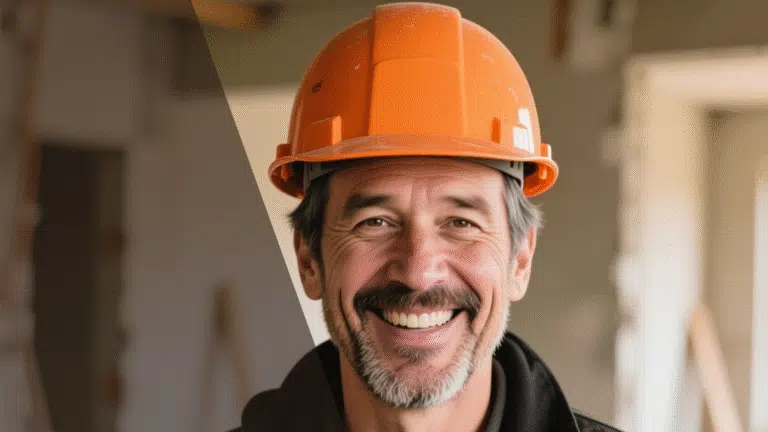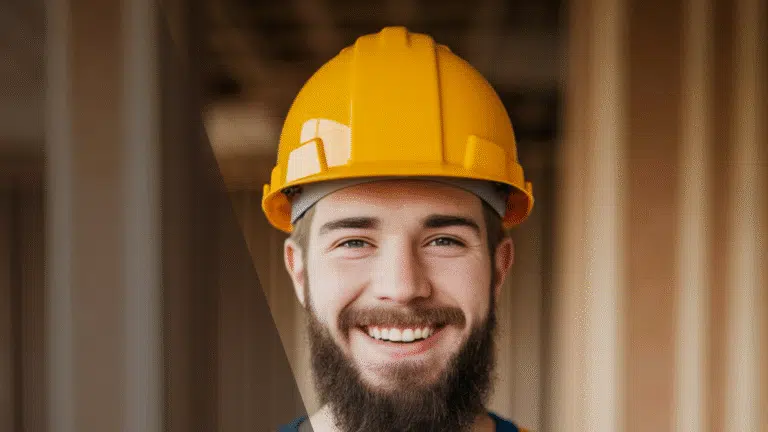
Most DIY and construction projects present inherent risks, making it vital for you to equip yourself with the appropriate safety gear. By prioritising personal protection, such as hard hats, safety goggles, and gloves, you significantly reduce the likelihood of injuries. Additionally, using ear protection and respiratory masks can safeguard you from long-term health issues. Investing in high-quality safety equipment not only enhances your efficiency but also ensures that your projects are completed with the utmost confidence and care.
Key Takeaways:
- Always wear a hard hat to protect against head injuries from falling objects.
- Use safety goggles to guard your eyes from dust, debris, and hazardous materials.
- Ensure you have appropriate gloves and steel-toed boots for hand and foot protection.
 Personal Protective Equipment (PPE)
 Personal Protective Equipment (PPE)
PPE serves as the frontline defence against various hazards you may encounter during DIY and construction tasks. By utilising the right gear, you significantly decrease the likelihood of injuries and enhance overall safety while working. This section probes into necessary PPE items that should be part of your toolkit, ensuring you’re well-protected on site.
Hard Hats
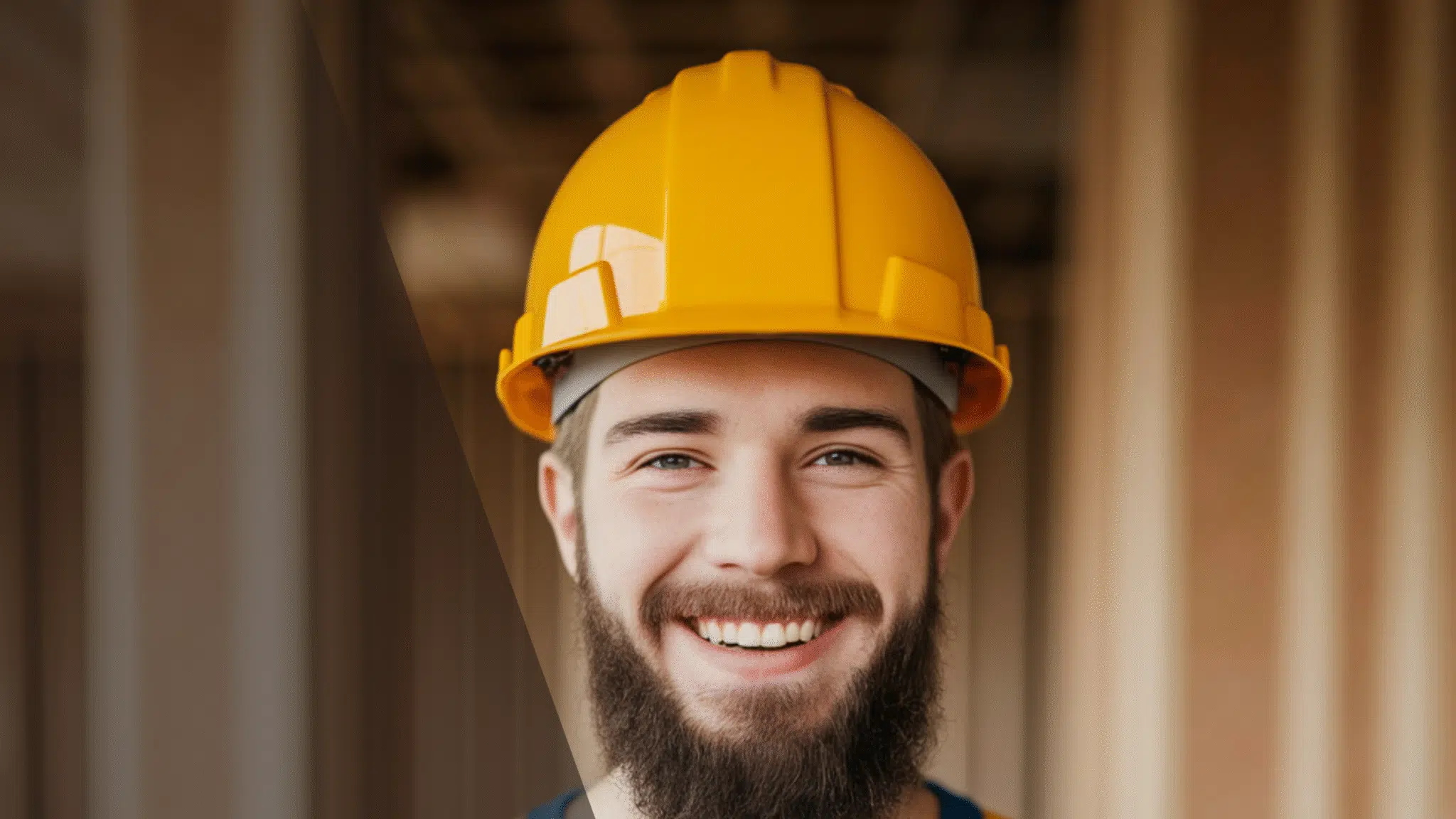
Hard hats are designed to absorb impact and prevent head injuries from falling objects or collisions. If you’re working on construction sites or even in home renovations where overhead risks exist, wearing a hard hat is non-negotiable. Look for one that meets the relevant safety standards to ensure maximum protection.
Safety Glasses
Safety glasses protect your eyes from flying debris, harmful chemicals, and intense light sources. Ensuring a proper fit and cover, these glasses are a vital part of your PPE, especially when performing tasks such as cutting, grinding, or using power tools.
Opt for safety glasses that comply with safety standards like EN166, as they provide assurances against impacts and optical clarity. Many models feature anti-fog and anti-scratch coatings, which enhance visibility and durability during long work sessions. You might also consider glasses with side shields for added protection against projectiles from various angles, making them an indispensable piece of equipment in your arsenal.
Hearing Protection
When using loud tools or machinery, hearing protection is necessary to prevent long-term damage. Options include earplugs and earmuffs, both of which vary in noise reduction capabilities. Choose the right type based on your environment and specific noise levels you’ll encounter.
For effective hearing protection, consider earmuffs that offer a higher Noise Reduction Rating (NRR), typically between 20 to 30 dB. If you’re working in environments with fluctuating noise levels, adjustable or electronic earmuffs that allow conversation while blocking harmful sounds can offer significant benefits. Prolonged exposure to elevated noise can lead to irreversible hearing loss, making this gear indispensable during your projects.
Respirators
Respirators shield you from inhaling harmful dust, vapours, and gases, especially when working with materials such as asbestos, lead paint, or during sanding. Selecting the appropriate respirator based on the specific hazards you face is necessary for your health.
Fitting a respirator correctly is vital for efficacy; it should create a proper seal around your face. For enhanced protection, look for respirators with HEPA filters that capture airborne particles effectively. Depending on the job, half-mask or full-face respirators equipped with cartridges for organic vapours may be necessary. Ensuring proper maintenance and regular replacement of filters can keep you safe while you tackle your DIY and construction projects.
Hand Protection
Effective hand protection is vital to prevent injuries from cuts, abrasions, and chemical exposure during DIY and construction activities. To ensure safety, always select the appropriate gloves tailored to the specific tasks you’ll be undertaking. A variety of gloves exist, each designed to protect against different hazards, so assessing the potential risks is key to maintaining your safety while working.
Work Gloves
Work gloves provide a fundamental layer of protection, shielding your hands from common hazards like heat, abrasion, and punctures. Suitable options include leather for heavy-duty tasks and synthetic materials for versatility. Choose gloves that allow for dexterity, ensuring you can grip tools securely while safeguarding against injuries.
 Cut-Resistant Gloves
 Cut-Resistant Gloves
Cut-resistant gloves are engineered specifically to defend against sharp objects, making them crucial for tasks that involve handling glass, metal, or knives. With materials rated on the ASTM cut-resistance scale, these gloves reduce the risk of severe lacerations by absorbing impact and preventing cuts.
When identifying cut-resistant gloves, consider the cut resistance rating, which ranges from A1 to A9, indicating the glove’s effectiveness against cuts. A high rating (A5 and above) is particularly beneficial for jobs involving sharp tools or materials. Look for gloves with features such as reinforced fingertips and breathable fabrics to enhance both protection and comfort. Investing in quality cut-resistant gloves not only safeguards your hands but also allows you to work confidently, knowing you are protected against potential injuries.
Foot Protection
Foot protection is important in any DIY or construction endeavour to shield your feet from potential hazards, such as heavy objects, sharp tools, and slippery surfaces. Investing in the right footwear not only enhances safety but also improves your comfort during long working hours. Make informed choices to ensure your footwear meets the specific demands of the task at hand.
Steel-Toed Boots
Steel-toed boots provide robust protection against falling objects and heavy equipment. Featuring a reinforced steel cap, these boots can withstand significant impact, minimising the risk of serious injuries. Many models also come with additional features like electrical hazard protection and slip-resistant soles, making them an excellent choice for various construction activities.
Non-Slip Shoes
Non-slip shoes are designed to prevent slip and fall accidents in potentially hazardous work environments. Their specially engineered soles offer superior traction on various surfaces, helping you maintain stability and confidence. Opt for shoes with a low profile and a comfortable fit, which will support you on the job while minimising fatigue.
Especially on slick surfaces like concrete or tile, non-slip shoes with a high coefficient of friction make a significant difference. Many brands, such as Skechers and Merrell, incorporate advanced rubber compounds that enhance grip. Additionally, choosing shoes with water-resistant materials can further improve safety in wet conditions. Investing in high-quality non-slip shoes not only protects you but also enhances overall productivity by allowing you to move freely and securely.
Fall Protection Gear
Fall protection gear is vital for safeguarding against serious injuries while working at height in DIY and construction environments. This gear reduces the risk of falls, which can lead to devastating consequences. You must understand the various types of fall protection equipment available, enabling you to choose the most suitable options for your projects. From harnesses to safety nets, the right gear can make a significant difference in ensuring your safety when working above ground level. When selecting fall protection gear, it’s important to consider the specifications of your equipment, such as tickitape heavy duty tape specifications, to ensure durability and effectiveness. Proper tape can help secure safety equipment and maintain clear marking of hazardous areas. Always prioritize high-quality products to keep your work environment safe and compliant with industry standards.
Harnesses
A properly fitted harness is a critical component of your fall protection system. It should distribute your weight evenly across your body, allowing for freedom of movement while ensuring that, in the event of a fall, the forces exerted on your body are minimised. Select a harness with adjustable straps and adequate padding to enhance comfort and effectiveness. Regularly inspect your harness for wear and tear to ensure it remains reliable.
Safety Nets
Utilising safety nets can provide additional protection against falls, especially in construction sites where it may not be feasible to wear a harness. They act as a barrier, catching you in case of a slip or misstep. Ensure that the nets are installed correctly and tested regularly to confirm their efficacy and compliance with safety standards.
Safety nets can be a game changer in preventing injuries on construction sites. These nets are designed to absorb impact and safeguard workers from falls from height, typically installed beneath scaffolding or along building edges. You can choose from various types of safety nets, including mesh and knotted varieties, which comply with regulations and are suitable for different applications. Regular inspections and maintenance of these nets are vital; signs of wear can indicate a need for replacement to maintain effective fall protection. Overall, when implemented correctly, safety nets significantly enhance workplace safety standards.
Tools and Equipment Safety
Ensuring safety while using tools and equipment not only protects you but also enhances the quality of your work. Accidents often occur due to a lack of familiarity with tools or improper usage. Always adhere to manufacturer guidelines and be aware of your surroundings, particularly when working with potentially hazardous equipment. Wearing appropriate protective gear, such as gloves and eye protection, can further mitigate risks associated with tool operation.
Proper Tool Selection
Selecting the right tools for your project significantly affects both your safety and efficiency. Choose tools specifically designed for the tasks at hand, ensuring they meet safety standards. For instance, using a power drill suited for the material you’re working with reduces the risk of injury, while manual tools should be comfortable and ideally suited to the strength required. Assessing the specifications can prevent accidents caused by using inappropriate equipment.
Tool Maintenance
Regular tool maintenance is necessary for ensuring your equipment functions safely and efficiently. Keeping tools sharp, clean, and in good repair not only extends their lifespan but also promotes safe operation. A dull blade or faulty mechanism can lead to increased effort and accidents, jeopardising your safety. Implement a consistent maintenance schedule to inspect and service your tools.
Regularly inspecting your tools for wear and damage is key to maintaining safety. For example, checking blades for sharpness, confirming that power cords are intact, and ensuring moving parts operate smoothly can help prevent malfunctions. Establishing a routine for cleaning tools post-use, storing them properly, and replacing worn-out items will keep your equipment ready for action. By doing so, you minimise risks associated with faulty tools and can focus on achieving great results in your DIY and construction endeavours.
Site Safety Practices
Effective site safety practices are necessary for minimising risks and ensuring a secure working environment. Conducting regular safety meetings can help bring attention to potential hazards and promote a culture of safety on-site. Familiarising yourself with emergency protocols, keeping first aid kits accessible, and ensuring everyone knows their role during an incident will significantly enhance overall safety.
 Site Cleanup
 Site Cleanup
A tidy workspace is vital to reducing accident rates. Regularly removing debris, tools, and materials decreases the risk of trips and falls. Additionally, establishing a dedicated schedule for cleanup at the end of each day helps maintain an organised site, ensuring that everyone can work efficiently without unnecessary distractions.
Signage and Barriers
Visible signage and effective barriers play a vital role in communicating hazards and restricting access to dangerous areas. By clearly marking zones with warning signs and placing physical barriers, you protect both workers and visitors, reducing the likelihood of accidents.
Utilising brightly coloured banners and signs can significantly improve awareness of potential hazards, while barriers like cones or fencing effectively prevent unauthorised entry. Signs should be placed at key locations, directing attention towards risks such as wet surfaces or heavy machinery. Furthermore, ensuring all individuals on-site are trained to recognise and respond to signage reinforces a culture of safety, ultimately leading to fewer incidents and enhanced teamwork.
Conclusion
Upon reflecting on your DIY and construction projects, it’s evident that having the right safety gear is paramount to your well-being, check out our full range. By investing in quality personal protective equipment such as helmets, gloves, and eye protection, you significantly reduce the risk of injury. Always prioritise your safety and ensure that your gear is suitable for the tasks at hand. Staying informed and equipped will not only enhance your efficiency but also safeguard you against potential hazards.
FAQ
Q: What type of head protection should I use on construction sites?
A: Hard hats are crucial for protection against impact from falling objects. Ensure that the hard hat complies with safety standards and fits properly to provide maximum protection.
Q: Are safety gloves necessary for DIY projects?
A: Yes, safety gloves protect your hands from cuts, abrasions, and chemical exposure. Select gloves suitable for the specific materials you are working with, such as cut-resistant or rubber gloves.
Q: What should I wear to protect my eyes while working?
A: Safety goggles or face shields are recommended to shield your eyes from flying debris, dust, and hazardous liquids. Choose eyewear that fits well and offers adequate coverage.
Q: Is it important to use respiratory protection?
A: Yes, respiratory protection, such as masks or respirators, is vital when working with materials that produce dust, fumes, or vapours. Select the appropriate type based on the specific hazards present.
Q: What footwear is suitable for construction work?
A: Steel-toe boots with slip-resistant soles are advisable for construction work. They provide protection against heavy objects and help prevent slips on various surfaces.