
Just getting started with your DIY projects? Understanding masonry screws is key to ensuring secure fixings in brick, concrete, or masonry. These screws offer unmatched holding strength and are designed to be incredibly durable, providing peace of mind that your fixtures will stay put. Whether you’re mounting shelves or hanging heavy items, choosing the right masonry screws will significantly enhance your project’s safety and longevity. This guide will equip you with the necessary knowledge to make informed decisions for your next build.
Key Takeaways:
- Masonry screws provide a strong and reliable fixing for various construction and repair tasks.
- They are designed to penetrate hard materials like brick, concrete, and stone without the need for anchors.
- Using masonry screws simplifies the installation process, making it accessible for beginners and DIY enthusiasts.
 Understanding Masonry Screws
 Understanding Masonry Screws
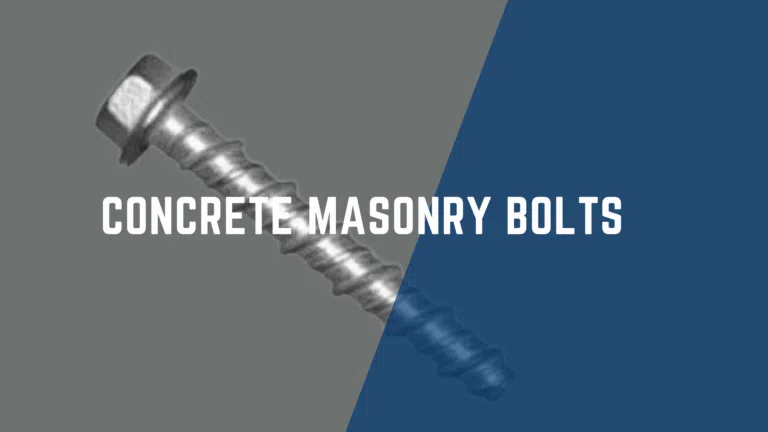
Masonry screws are specifically designed fasteners for securing objects to masonry substrates like brick, concrete, or stone. Their construction often features a self-tapping design, allowing them to cut into the hard materials without the need for pre-drilled holes. This ease of use, combined with their strength, makes them a popular choice for both DIY enthusiasts and professionals alike.
Types of Masonry Screws
There are several types of masonry screws available, each designed for specific applications and materials. They vary in size, thread design, and material composition, ensuring they can provide the appropriate level of strength and durability required for your project. Selecting the right type can make a significant difference in the quality of your fixings.
| Type | Description |
| Standard | Commonly used for general applications. |
| Heavy-duty | Designed for larger load-bearing applications. |
| Torx head | Offers better grip and prevents slippage. |
| Self-drilling | Eliminates the need for pre-drilling. |
Factors to Consider When Choosing
When opting for masonry screws, consider factors such as the material of the screw, the intended application, and the environment where they will be used. Your choice of screw can affect both the structural integrity and longevity of your fixings. A screw that’s suitable for indoor use may not withstand outdoor conditions.
- Material: Stainless steel screws offer rust resistance.
- Length: Ensure the screw penetrates the substrate adequately.
- Coating: Some screws are coated for additional protection.
- Thread design: Different threads suit various materials.
This will enhance your project’s overall durability and performance. Additionally, considering load capacity and the presence of vibrations in your application can significantly impact your choice of masonry screws.
- Load capacity: Heavier items need robust screws.
- Environmental factors: Moisture can lead to corrosion.
- Installation method: Identify if you’ll use power tools.
- Availability: Ensure you can source the screws easily.
This helps in ensuring that you make a well-informed decision to guarantee successful fixings in your projects. Understanding these factors can prevent potential issues and increase the efficiency of your work.
Tips for Using Masonry Screws
- Ensure the correct size of masonry screws for your project.
- Choose a suitable drill bit that matches the screw diameter.
- Inspect the subsurface for any cracks or damage before installation.
- Use a level to ensure straight fastening.
- Always wear appropriate safety gear during installation.
Assume that you follow these tips to achieve a secure and lasting fix.
Preparation and Tools
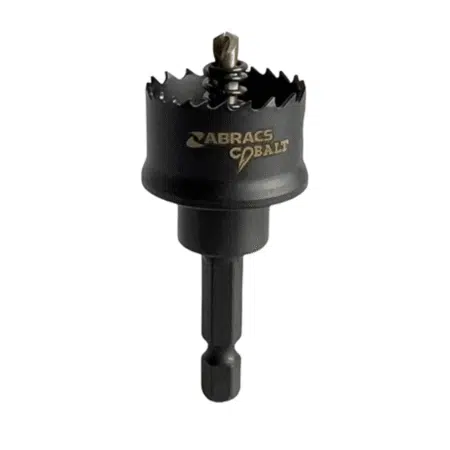
Before starting, gather important tools including a hammer drill, masonry drill bits, and a torque wrench for optimal performance. Ensure your workspace is clear and adheres to safety regulations. You should also have appropriate safety gear such as goggles and gloves to protect against dust and debris. Always double-check that your masonry screws are suitable for the task at hand, optimising your chances of a successful project.
Installation Best Practices
Begin by marking your drilling points accurately to avoid misalignment. Use a hammer drill for effective penetration into hard materials, and ensure you drill to the correct depth for your screws. Apply consistent pressure while drilling, and clean out debris from the hole to allow for better screw insertion. Always follow the manufacturer’s guidelines for torque settings to prevent stripping.
For achieving optimal installation, consider pre-drilling pilot holes when working with particularly dense masonry. This technique can prevent cracking and allows for a smoother insertion process. If you’re installing heavier fixtures, use multiple masonry screws at strategic intervals to evenly distribute weight and enhance stability. A little attention to these details can significantly boost the integrity of your fixings.
Step-by-Step Guide to Installing Masonry Screws
To ensure a secure and effective installation of masonry screws, follow these straightforward steps. Each phase is necessary for achieving optimal results, maintaining the integrity of your project. Begin by selecting the appropriate screw type for your specific masonry application to guarantee durability. When installing concrete screws, be sure to pre-drill holes to the recommended depth and diameter, which will help prevent cracking. Finally, tighten the screws firmly without over-torquing, as this can compromise the anchoring strength.
| Step | Description |
| 1. Mark the Spot | Identify the exact location for your screw and mark it clearly with a pencil. |
| 2. Drill the Hole | Using a masonry drill bit, create a hole to the recommended depth, typically 5mm wider than the screw’s diameter. |
| 3. Clean the Hole | Remove any dust and debris using compressed air or a brush to ensure a strong hold. |
| 4. Insert the Screw | Place the masonry screw into the hole and drive it in using a power screwdriver or impact driver. |
| 5. Check Stability | Ensure the screw is secure by giving it a gentle tug; it shouldn’t budge. |
Pros and Cons of Masonry Screws
 Pros and Cons of Masonry Screws
Masonry screws offer various advantages, but there are also some drawbacks to consider. Understanding both can help you make informed choices for your projects.
| Pros | Cons |
|---|---|
| Easy Installation – Simply drill a pilot hole and screw in. | Requires Pre-Drilling – Needs a specific-sized drill bit for pilot holes. |
| Strong Hold – Provides excellent grip in concrete and masonry. | Material Limitations – Not suitable for soft materials like wood. |
| Corrosion Resistant – Often made from materials that resist rust. | Higher Cost – Generally more expensive than standard screws. |
| Variety of Sizes – Available in multiple lengths and diameters. | Less Flexibility – Not ideal for applications requiring frequent removal. |
| Reliable in Heavy Loads – Suitable for securing heavy fixtures. | Learning Curve – May take some practice to master installation technique. |
Common Applications of Masonry Screws
Outdoor Structures
Masonry screws are widely used in the construction of fences, decks, and outdoor furniture. Their ability to securely anchor components into bricks, blocks, and concrete makes them perfect for supporting heavy structures. For instance, when building a wooden deck over a concrete patio, you can rely on masonry screws to provide a stable fixing that withstands harsh weather conditions.
DIY Projects
Whether you are installing a garden trellis or mounting a bird feeder, masonry screws offer versatile solutions. With a wide variety of lengths and gauges available, you can choose the right size for each specific project, ensuring that your fixtures remain firmly in place.
Interior Installations
In your home, masonry screws are ideal for securing shelves, cabinets, and even lighting fixtures to solid walls. Their high pull-out strength ensures that heavier items stay securely mounted without the risk of falling, making them a favourite choice among DIY enthusiasts and professionals alike.
 Maintenance and Troubleshooting
 Maintenance and Troubleshooting
Regular Inspections
You should conduct regular inspections of your masonry screw fixings, especially in high-stress environments. Look for any signs of corrosion or rust, which can compromise the integrity of the screws. If your screws show signs of wear, consider replacing them promptly to avoid potential failures.
Tightening Loose Screws
If you find any loose screws, it’s important to tighten them immediately. You may need to re-drill the hole slightly to allow for better grip if the screw no longer holds firmly. Using a torque wrench can help ensure you apply the right amount of force without over-tightening.
Replacing Damaged Screws
In the event of a stripped or damaged screw, replace it with a new one of the same size and type to maintain consistency. Avoid mixing different materials, as this can lead to compatibility issues.
To wrap up
The importance of masonry screws for secure fixings cannot be overstated. These specialised fasteners ensure reliable anchoring in hard materials like brick and concrete, providing you with peace of mind when undertaking construction or renovation projects. By choosing the right masonry screws, you enhance the durability and stability of your work, allowing you to focus on achieving high-quality results. As you gain confidence in your skills, utilising masonry screws will become a fundamental part of your toolkit, ensuring that your installations stand the test of time.
FAQ
Q: What are masonry screws?
A: Masonry screws are fasteners specifically designed for securing materials to masonry surfaces such as brick, concrete, or stone. They feature a unique thread design that allows them to grip into the masonry material for a secure hold.
Q: Why are masonry screws preferred over traditional expansion anchors?
A: Masonry screws offer faster installation and a more straightforward application compared to expansion anchors. They eliminate the need for pre-drilling large holes, allowing for a more efficient fixing process while providing strong holding power.
Q: Can masonry screws be used for different types of masonry?
A: Yes, masonry screws can be used on various types of masonry materials, including brick, concrete, and cinder block. Their design ensures effective anchoring in these surfaces, making them versatile for different projects.
Q: What size masonry screw should I use?
A: The size of the masonry screw to use depends on the thickness of the material being fixed and the weight of the object being secured. A general rule is to choose a screw length that will penetrate at least 30mm into the masonry for optimal grip.
Q: Are there any special tools required for installing masonry screws?
A: Installing masonry screws typically requires a hammer drill with a suitable masonry bit to create pilot holes. Some masonry screws can be installed without pre-drilling in softer masonry materials, but a drill is recommended for optimal performance.