
There’s an easier way to attach materials securely with Soudabond Foam Adhesive. This innovative adhesive is designed for versatility and strength, making it ideal for a variety of surfaces. Whether you’re working with foam, wood, or other materials, Soudabond simplifies the bonding process, ensuring a reliable fix with minimal hassle. With its unique foam formulation, you can achieve effective adhesion quickly, allowing you to focus on your project without the worry of materials coming apart. Your fixing tasks become more efficient, enabling you to achieve professional results effortlessly.
Key Takeaways:
- Soudabond Foam Adhesive provides a strong bond on various surfaces, simplifying the fixing process.
- Its user-friendly application allows for quick and efficient repairs, enhancing productivity.
- The adhesive is designed to expand and fill gaps, ensuring a secure attachment even on irregular surfaces.
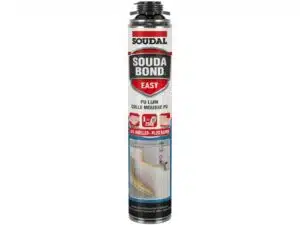
 Understanding Soudabond Foam Adhesive
 Understanding Soudabond Foam Adhesive
Soudabond Foam Adhesive is a revolutionary product designed to streamline the bonding process across various surfaces. Its unique formulation offers superior adhesion, making it ideal for both professional and DIY projects. By understanding its key components and attributes, you can maximise its potential in your applications, ensuring a strong and lasting fix every time.
Composition and Properties
This adhesive is composed of a polyurethane foam that expands upon application, filling gaps and creating a robust bond. Its versatility is matched by its durability, as it exhibits excellent resistance to moisture, chemicals, and temperature variations. These properties ensure a strong adhesion that lasts, regardless of environmental conditions.
Applications and Versatility
With a wide range of applications, Soudabond Foam Adhesive can be utilised in various sectors, from construction to automotive. You can use it for bonding insulation panels, fixing surfaces, or even in detailed craft projects. Its ease of use and flexibility allows for application to vertical and horizontal surfaces alike.
The versatility of Soudabond Foam Adhesive is evident in its widespread use across numerous industries. For instance, in the construction sector, it’s commonly used to bond insulation materials to walls and roofs, enhancing thermal efficiency. In automotive repair, you’ll find it effective in securing trim and panels. Whether you’re working on large-scale commercial builds or simple home repairs, its user-friendly spray application lets you quickly and effectively tackle any bonding task, adapting to your specific needs seamlessly.
Benefits of Using Soudabond Foam Adhesive
Utilising Soudabond Foam Adhesive comes with a myriad of advantages, making it an indispensable tool in your fixing projects. Its superior bonding strength ensures that materials remain securely in place, while its versatility allows it to be applied to different surfaces, minimising the need for multiple adhesives. Furthermore, the ease of application transforms even the most daunting tasks into straightforward, manageable jobs, giving you confidence in achieving durable results effortlessly.
Strong Bonding Capabilities
 Strong Bonding Capabilities
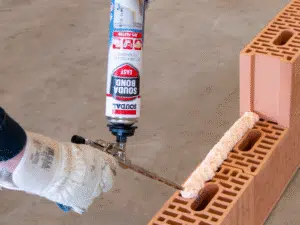
Soudabond Foam Adhesive offers an impressive bond strength across a wide range of materials, including wood, metal, concrete, and insulation. This capability is particularly beneficial for professionals and DIY enthusiasts who require a reliable adhesive that can perform under various conditions. The adhesive expands slightly upon application, filling gaps and ensuring a secure hold, thus providing long-lasting durability in your projects.
Ease of Application
The application process for Soudabond Foam Adhesive is notably straightforward, allowing you to work efficiently. The adhesive comes in a convenient aerosol can, which enables precise application without the need for additional tools. You can apply it directly to the surfaces you wish to bond, and the quick drying time means you can achieve results swiftly, making it ideal for projects with tight deadlines.
This straightforward application process reduces the potential for mishaps, as you can easily control the amount of adhesive used, preventing wastage. Whether you’re repairing surfaces or assembling new materials, the user-friendly design means you can position pieces accurately before the adhesive sets. You’ll appreciate how this feature not only simplifies your work but also enhances the quality of your finished projects.
Surface Preparation Techniques
Proper surface preparation is vital to achieving the best results with Soudabond Foam Adhesive. You need to ensure that the surfaces are clean, dry, and free from any contaminants, as this will significantly enhance adhesion. Skilled preparation ensures a long-lasting bond, allowing for seamless application and optimal performance.
Cleaning and Priming
Before applying Soudabond Foam Adhesive, thoroughly clean the surfaces to remove dust, grease, and old adhesives. Depending on the material, you may need to use specific solvents or cleaners. Priming certain surfaces can also improve adhesion, so consider this step for porous or textured materials to create a smoother bonding experience.
Choosing the Right Surface
Your choice of surface significantly impacts the effectiveness of Soudabond Foam Adhesive. It’s not just about compatibility; different materials react uniquely under various conditions. You should always check the manufacturer’s guidelines to ensure that the surface you plan to bond is suitable for the adhesive and capable of sustaining the intended load or stress.
For instance, surfaces like metal, plastic, and timber each have their prerequisites. Metal may require a specific cleaner to enhance adhesion, while porous materials like wood could benefit from a primer to seal any gaps. Always test your surfaces first; this not only ensures proper adhesion but also reveals any potential issues before full application. For best results, adhere to the guidelines and recommendations provided for Soudabond Foam Adhesive to guarantee a successful and durable bond.
Step-by-Step Guide to Application
Overview of Steps
| Step | Action |
|---|---|
| 1 | Prepare the surfaces by cleaning them thoroughly. |
| 2 | Shake the canister for a few seconds before use. |
| 3 | Apply Soudabond foam adhesive evenly onto one surface. |
| 4 | Press the surfaces together, ensuring proper alignment. |
| 5 | Allow the adhesive to cure as per instructions. |
Tools and Materials Needed
Before beginning your project, gather imperative tools and materials. You will need Soudabond foam adhesive, a clean cloth for surface preparation, a utility knife for cutting, a measuring tape for accuracy, and a clamp or weight to maintain pressure while the adhesive cures. Having everything ready ensures a smooth application process.
Application Process
 Application Process
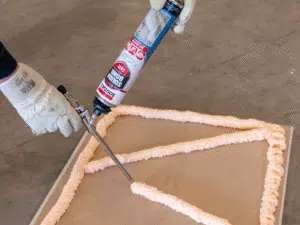
The application process of Soudabond foam adhesive is straightforward. Start by cleaning the surfaces to remove dust and grease for optimal adhesion. Once prepped, shake the canister for effective mixing, then apply the adhesive in a uniform layer. Press the surfaces together firmly, using clamps or weights to hold them in place during curing.
For best results, it’s advisable to work in a well-ventilated area while adhering to the manufacturer’s guidelines regarding curing times. The foam expands upon application, filling gaps and creating a robust bond that withstands various environmental conditions. Be mindful of temperature and humidity, as these factors can influence the adhesive’s performance and setting time.
Safety Considerations
When working with Soudabond Foam Adhesive, it’s necessary to prioritise safety to ensure a seamless and secure application process. Familiarise yourself with the product’s safety data sheet, which outlines any hazards, protective measures, and first aid protocols. Working in a well-ventilated area minimises inhalation risks. Moreover, keep the adhesive away from heat sources and open flames to prevent accidents.
Personal Protective Equipment
 Personal Protective Equipment
Utilising appropriate personal protective equipment (PPE) is vital when handling adhesives. Ensure you wear gloves to protect your skin from potential irritation and safety goggles to prevent eye contact with the product. A face mask can also be beneficial to reduce inhalation of vapours. Your protection should always come first.
Handling and Storage
Proper handling and storage of Soudabond Foam Adhesive is key to maintaining its effectiveness and ensuring safety. Store the adhesive in a cool, dry place, away from sunlight and heat sources. Keep the containers tightly sealed when not in use to prevent moisture contamination. Always check the expiry date before application, as expired products may not perform as intended.
Moreover, avoid transferring Soudabond to other containers, as this can lead to mix-ups and improper usage. Familiarise yourself with the recommended storage temperature, ideally between 10°C and 25°C, to prolong shelf life and maintain optimal performance. By adhering to these handling and storage practices, you not only safeguard the integrity of the adhesive but also ensure a safer working environment for yourself and others.
Troubleshooting Common Issues
Even with proper application, you may encounter some common issues while using Soudabond Foam Adhesive. Identifying these problems early can save you time and effort. This section covers common challenges, from bond failures to surface compatibility problems, and provides insights on how to address them effectively.
Bond Failures
If you experience bond failures, it’s often due to insufficient surface preparation or improper application methods. Ensure both surfaces are thoroughly clean and dry, as contaminants can hinder adhesion. Additionally, check that you’ve applied the adhesive evenly and within the recommended temperature range for optimal performance.
Surface Compatibility Problems
Surface compatibility issues can arise when the adhesive is applied to materials that don’t interact well with its formulation. Always assess the materials you’re working with to ensure they are compatible with Soudabond Foam Adhesive; this includes metals, plastics, and various types of wood. For example, porous surfaces may require a different approach compared to smooth, non-porous ones.
To mitigate surface compatibility problems, conduct a small test on an inconspicuous area before the full application. For instance, if you plan to bond foam to metal, verifying the adhesive’s performance on a sample piece can indicate whether you need pre-treatment or alternative adhesives. Selecting the right surface combinations will greatly enhance the bond strength and durability of your project.
Summing up
To wrap up, Soudabond Foam Adhesive simplifies your fixing tasks across a variety of surfaces. Its user-friendly application and impressive bonding capabilities ensure that you can achieve strong, durable results with ease. By choosing Soudabond, you equip yourself with a reliable solution that saves time and increases efficiency, allowing you to focus on your projects without the worry of ineffective adhesives. Experience the seamless adhesion that enhances your work, making it easier than ever to secure any surface.
FAQ
Q: What surfaces can Soudabond Foam Adhesive secure?
A: Soudabond Foam Adhesive is designed to bond various surfaces, including wood, concrete, metal, and insulation materials. It offers versatility for both indoor and outdoor applications.
Q: How does Soudabond Foam Adhesive work?
A: The adhesive expands upon application, filling gaps and creating a strong bond between surfaces. This foam technology ensures excellent adhesion and a durable fix.
Q: Is Soudabond Foam Adhesive easy to apply?
A: Yes, Soudabond Foam Adhesive features a user-friendly applicator that allows for precise application. Its foam consistency makes it easy to spread and manage, simplifying the fixing process.
Q: Can Soudabond Foam Adhesive be used in wet conditions?
A: Soudabond Foam Adhesive is suitable for use in various conditions, including damp environments. However, it’s advisable to ensure the surfaces are clean and free of excess moisture for optimal bonding.
Q: How long does it take for Soudabond Foam Adhesive to cure?
A: The adhesive typically sets in around 10 minutes, achieving full strength within 24 hours. Factors like temperature and humidity can influence curing times.