
Drill bits are important tools that can significantly impact the quality of your work. Understanding the various types, sizes, and applications available will enable you to select the best option for your specific needs. By choosing the right drill bit, you not only enhance efficiency but also ensure safety while working on projects. This guide will provide you with the necessary information to navigate the vast array of drill bits and make informed decisions, allowing you to achieve optimal results in your tasks. when selecting drill bits, it’s crucial to follow certain guidelines to maintain a high standard of safety tips for woodbeaver drill bits. Regularly inspecting your tools, using proper protective equipment, and following manufacturer recommendations can significantly reduce the risk of accidents. Additionally, handling drill bits with care and ensuring they are securely attached to the drill can help prevent mishaps during operation.
Key Takeaways:
- Different types of drill bits are designed for specific materials and applications, such as wood, metal, or masonry.
- Sizes of drill bits are measured in diameter and length, impacting the size of the holes produced and the depth of drilling.
- Choosing the best drill bit involves considering the material you’ll be drilling, the type of drill you are using, and the desired hole specifications.
Types of Drill Bits
- Twist Drill Bits
- Spade Bits
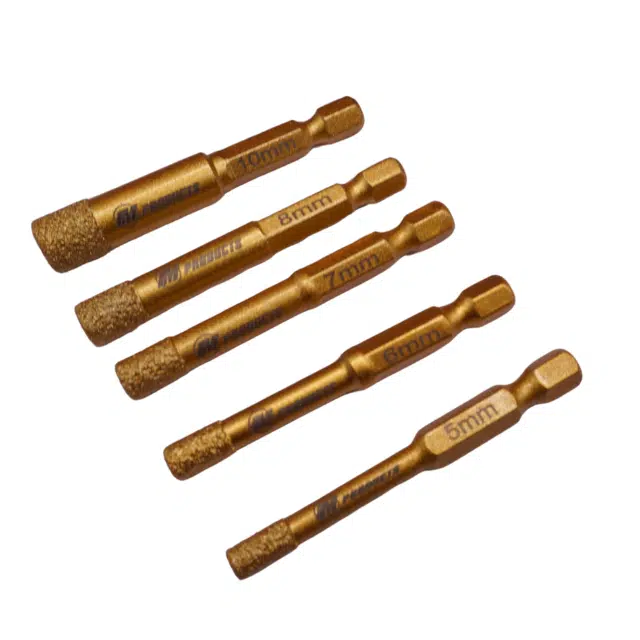
- Masonry Bits
- Specialized Bits
Thou can select the appropriate bit based on your specific drilling needs and the material you are working with.
| Type | Description |
| Twist Drill Bits | Versatile and commonly used for drilling in a variety of materials. |
| Spade Bits | Designed for drilling larger holes in wood quickly. |
| Masonry Bits | Specifically made to drill into brick, concrete, and stone. |
| Specialized Bits | Custom-made for unique applications, such as hole saws. |
 Twist Drill Bits
 Twist Drill Bits
Twist drill bits, identifiable by their spiral flutes, are the most prevalent type of drill bits. They excel in drilling through materials like metal, wood, and plastic due to their sharp cutting edges. These bits come in various sizes and coatings, enhancing their durability and heat resistance. Their versatility makes them a staple in any toolkit.
Spade Bits
Spade bits are perfect for creating large diameter holes in wood. Their flat, paddle-like shape allows for rapid and efficient drilling. Typically available in sizes from ½ inch to 1 inch, they are ideal for tasks such as installing door locks or running plumbing lines.
When using spade bits, you should apply steady pressure to ensure clean cuts, as inconsistent pressure may lead to splintering or damage to the wood. Their affordability makes them a popular choice among DIY enthusiasts and professionals alike.
Masonry Bits
Masonry bits, engineered for drilling in tough materials such as brick, concrete, and stone, feature a unique tip design that combines hardness and durability. These bits often come with carbide tips to withstand the rigours of tough surfaces while maintaining sharpness over time.
Utilizing masonry bits requires a hammer drill for best results, especially for dense materials like concrete. They often have a wider fluting than standard bits to help remove dust and debris while drilling, ensuring that the bit doesn’t bind and reduces the risk of breakage.
Specialized Bits
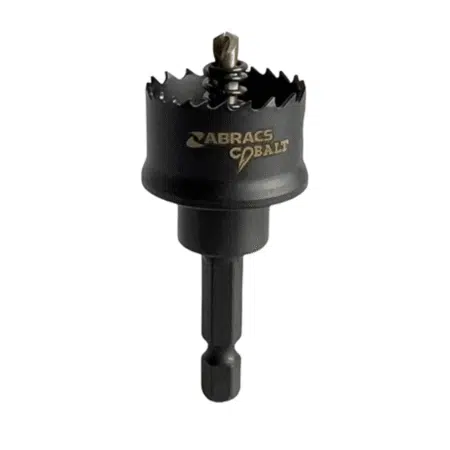
Specialized bits cater to unique drilling requirements, offering tailored solutions for uncommon tasks. Examples include hole saws for creating large openings and step bits for gradually enlarging holes in metal. Each type is engineered to optimise performance in its specific application.
Investing in specialized bits often pays off, as they can save you time and effort in challenging jobs. These bits not only enhance the quality of work but also ensure that you can tackle a wider range of projects with finesse. By employing the right tools, you enable yourself to achieve high professional standards in your work.
Understanding Sizes
Sizes play a vital role in determining the suitability of a drill bit for various tasks. You will find sizes typically measured in inches or millimetres, with precision being key to achieving the desired results. Choosing the right size helps prevent issues such as over-torquing, breakage, or inadequate hole dimensions, ensuring effectiveness during your projects.
Common Sizes
Common drill bit sizes range from 1/16 inch to 1 inch, and 1 mm to 25 mm in metric measurements. For general use, bits sized at 1/8 inch, 1/4 inch, and 3/8 inch are quite popular, suitable for a variety of household tasks. Other specifications may include fractional sizes, numbered sizes, and letter sizes depending on the application, offering a wide selection to cater to different requirements.
Measuring Drill Bits
Measuring drill bits accurately ensures you make the right choice for your project. Utilise callipers or a tape measure for precise measurements, focusing on the diameter and length of the bit. Using a drill bit gauge can also simplify the process, enabling you to quickly identify the size of your existing bits or determine the appropriate new ones for your needs.
To measure drill bits effectively, begin by securing the bit in a vice or holding it firmly with a suitable grip. Use the callipers to measure the diameter directly at the widest point to ensure accuracy. For length measurement, place the bit flat on a surface and measure from the tip to where it meets the shank. This level of precision guarantees that you select the proper size, ultimately enhancing your drilling efficiency and project outcomes.
Tips for Choosing the Right Drill Bit
Selecting the appropriate drill bit can significantly impact your project’s success. Consider factors such as the material being drilled, the intended application, and the desired finish. You should also evaluate the bit’s size and length to ensure compatibility with your drill. Quality should never be compromised, as a superior drill bit provides better performance and durability. Lastly, pay attention to brand reputation and user reviews to guide your selection. Any choice you make should align with your specific requirements.
 Assessing Material
 Assessing Material
Understanding the material you’ll be drilling is imperative. Different materials, such as wood, metal, and concrete, require specific types of drill bits for efficient cutting. For instance, high-speed steel (HSS) bits are suitable for softer metals, whereas carbide-tipped bits excel in harder materials like concrete. Evaluate the hardness and density of your materials to select the right drill bit.
Determining Use Cases
Your use case will greatly influence your drill bit choice. Whether you’re tackling DIY projects, professional jobs, or woodworking tasks, each will demand different drill bits. For example, if you’re completing electrical work, a spade bit is ideal for drilling large holes in wood. Alternatively, masonry works best with masonry bits designed for tougher materials.
Specific use cases also dictate the drill bit’s design. For precision work, you might opt for a pilot bit to ensure accurate starting points without slip. In heavy-duty construction, hammer drill bits are imperative for penetrating hard surfaces efficiently. Clearly defining your project’s needs streamlines your decision, ensuring you select the most effective tools available.
Step-by-Step Guide to Selecting a Drill Bit
Steps to Select Drill Bits
| Step | Description |
| 1 | Identify Your Project Needs |
| 2 | Match Bit Type to Task |
| 3 | Verify Size Requirements |
Identify Your Project Needs
Before selecting a drill bit, assess the specific requirements of your project, including the materials you’ll be working with, the desired hole size, and the depth of the holes. Knowing these details will help streamline your choice, ensuring the bit you select is best suited for the task at hand.
Match Bit Type to Task
The type of drill bit must align with the material and the nature of the job. For instance, wood bits are designed for softer materials, whereas masonry bits cater to brick and concrete. Specific tasks, like creating countersinks or pilot holes, will also necessitate unique bit types to achieve optimal results. understanding tile drilling techniques is essential for those working on home improvement projects involving ceramics or porcelain. Using the correct drill bit can prevent chipping and prolong the lifespan of your tools. Additionally, it is important to learn about suitable drill speeds and the use of water to keep the tile cool during the drilling process.
Using the correct bit type not only ensures efficiency but also enhances the quality of your work. Twist bits are versatile for general drilling, while spade bits excel in woodworking applications. For metal, high-speed steel bits are preferable, and a masonry bit is crucial for stonework. Tailor your choice to fit your specific task requirements for the best outcomes.
Verify Size Requirements
Accurate sizing of your drill bit is fundamental to achieving the desired hole dimensions. Measure the diameter and depth required for your project, and ensure you have bits that can accommodate these specifications, as incorrect sizing can compromise stability and joint integrity.
Check the specifications of your project to prevent errors; for example, a 5mm hole for dowel joints will not be achievable with a 6mm bit. Additionally, if you’re using screws, it’s wise to select bits that correspond to the screw gauge for proper fitting. Considering clearance and depth further aids in ensuring your choice meets all project requirements effectively.
Factors to Consider
Selecting the right drill bit involves several factors that can influence your project results. Keep in mind the material you are working with, the size of the hole required, and the type of drill bit best suited for your needs. Additionally, assess the drill bit’s cost against its performance and expected longevity. Thou must weigh these elements to ensure optimal outcomes.
Material Compatibility
Choosing a drill bit compatible with your project’s material is vital. Different materials, be it wood, metal, or masonry, require specific drill bits to achieve efficient drilling. For instance, titanium-coated bits work well for metal, while spade bits serve effectively in wood applications. Selecting the correct type not only enhances performance but also prolongs the tool’s lifespan.
Bit Longevity and Durability
Longevity of a drill bit is influenced by the materials used in its construction and the type of workload it endures. High-speed steel bits might serve well for lighter tasks, but carbide or diamond-coated bits are better suited for rigorous activities and abrasive materials. Investing in high-quality bits tends to pay off, as they resist wear and maintain their sharpness longer.
Materials such as HSS (High-Speed Steel) are standard for general use but often yield to wear faster than their carbide counterparts, especially under heavy drilling conditions. In professional settings, a bit’s lifespan can vary dramatically; carbide bits can last up to 20 times longer than conventional steel bits. Additionally, proper maintenance, like cleaning and storing bits correctly, significantly contributes to overall durability. By understanding these factors, you can select drill bits tailored to your specific applications, thereby maximising performance and cost-effectiveness over time.
 Pros and Cons of Different Drill Bits
 Pros and Cons of Different Drill Bits
Evaluating different types of drill bits requires an understanding of their respective advantages and disadvantages. Each type offers unique benefits which may suit particular projects, but they also come with limitations that could impact your decision. Below you will find a detailed comparison.
Pros and Cons of Drill Bits
| Advantages | Disadvantages |
|---|---|
| High speed steel bits are affordable and versatile. | They can dull quickly when used on hard materials. |
| Cobalt bits withstand high temperatures, ideal for tough metals. | They are more expensive and can be brittle. |
| Carbide-tipped bits excel in drilling through masonry. | They are less effective on soft materials. |
| Wood bits provide fast and clean cuts. | They can splinter softer woods and are not suited for metals. |
| Spade bits are economical and easy to use for large holes. | They may leave rough edges. |
| Twist bits are well-suited for general-purpose drilling. | Not ideal for specialised tasks, such as deep holes. |
| Diamond bits offer unmatched durability and precision for hard surfaces. | They are significantly more costly. |
| Hole saws can create clean, larger openings quickly. | Puncturing deeper materials can be challenging. |
| Countersink bits ensure flush finishes. | They require a secondary tool for drilling. |
| Specialty bits cater to unique applications, enhancing efficiency. | They can add complexity to your toolkit. |
Advantages and Disadvantages
Each drill bit type comes with distinct strengths and weaknesses. For example, high-speed steel bits are economical but may not last long under heavy use, while carbide-tipped bits excel in durability but are less effective on softer materials. Weighing these pros and cons will help match the right drill bit to your specific tasks.
Cost Considerations
Cost should play a key role in your decision-making process. While you can find basic drill bits at low prices, higher-quality options, such as cobalt or carbide bits, generally demand a larger investment. This means determining your budget upfront can guide you towards the best value for your needs.
Investing in quality drill bits typically results in better performance and longevity. For instance, spending around £10-£15 on a high-speed steel set can cover most general tasks, but opting for cobalt bits may cost £30-£50, ultimately saving you money in the long run for tough job applications. Balancing initial cost with potential longevity and effectiveness is vital for any project. Check out our prices.
Conclusion
Considering all points, selecting the right drill bit is vital for achieving optimum results in your projects. By understanding the various types and sizes available, you can make informed choices that suit your specific needs. Whether you require precision drilling or heavy-duty performance, matching the drill bit to the material and task will enhance your efficiency. Ultimately, being equipped with the right information allows you to tackle tasks with confidence and ensures you achieve the desired outcome.
FAQ
Q: What are the different types of drill bits available?
A: There are several types of drill bits, including twist bits, masonry bits, spade bits, hole saws, and step bits. Each type is designed for specific materials and applications, such as wood, metal, or concrete.
Q: How do I choose the right size drill bit?
A: The right size drill bit depends on the diameter of the hole needed and the size of the screw or anchor being used. Measuring the screw or anchor and selecting a bit that matches the required diameter will ensure optimal results.
Q: What is the purpose of a drill bit guide?
A: A drill bit guide helps ensure accuracy and consistency when drilling holes. It stabilises the drill bit, aligning it correctly with the workpiece to prevent wandering and achieve precise holes.
Q: Are there specific drill bits for different materials?
A: Yes, different materials require specific drill bits. For instance, masonry bits are designed for concrete and brick, while metal bits are for drilling into metal surfaces. Using the correct bit increases efficiency and reduces wear on tools.
Q: How can I maintain my drill bits for longevity?
A: Proper maintenance includes cleaning drill bits after use, storing them in a dry environment, and sharpening them regularly. Avoiding excessive heat and using the correct speed for the material will also help extend the life of the bits.