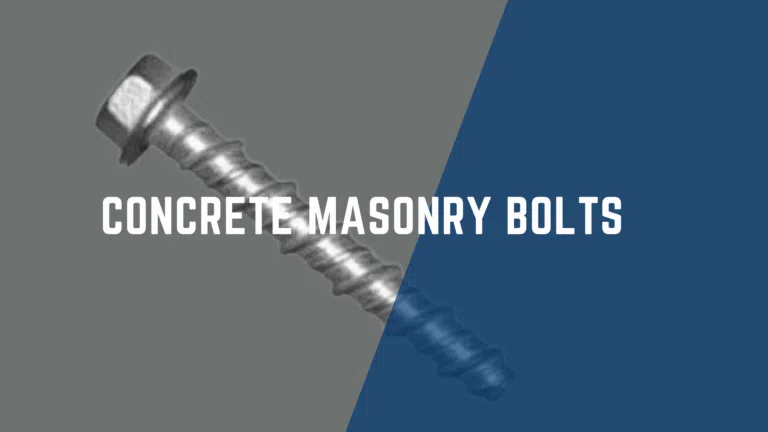
It’s crucial for you to understand the key aspects of concrete masonry screws, which are vital for a variety of construction projects. These screws provide unrivalled strength and durability when fastening materials to concrete surfaces. You’ll discover that they can reduce installation times, enhance structural integrity, and offer superior resistance to environmental factors. By gaining insight into the impressive data and statistics surrounding these screws, you can make informed decisions for your next project. Moreover, a concrete masonry screws overview will reveal the various types available, ensuring that you select the most appropriate option for your specific application. Understanding the differences in design and coating can also help you to achieve optimal performance and longevity in challenging environments. As you delve deeper into their specifications, you’ll find valuable insights that can further streamline your construction process. A comprehensive concrete masonry screws overview reveals that they come in various lengths and diameters, allowing for versatility in different applications. Additionally, their unique design often features sharp threads that facilitate easy penetration into hard materials, minimizing the risk of cracking or splitting. As you delve deeper into the benefits and specifications, you’ll be better equipped to choose the right screws for your specific needs.
Key Takeaways:
- Concrete masonry screws are designed specifically for fastening into concrete and masonry materials, providing a secure hold without the need for pre-drilling in many cases.
- These screws are often made from high-strength materials and feature unique thread designs that enhance their grip and load-bearing capabilities.
- Statistical reports indicate a significant increase in the use of concrete masonry screws in construction projects due to their efficiency and reliability compared to traditional fastening methods.
 The Unique Composition and Design of Concrete Masonry Screws
 The Unique Composition and Design of Concrete Masonry Screws
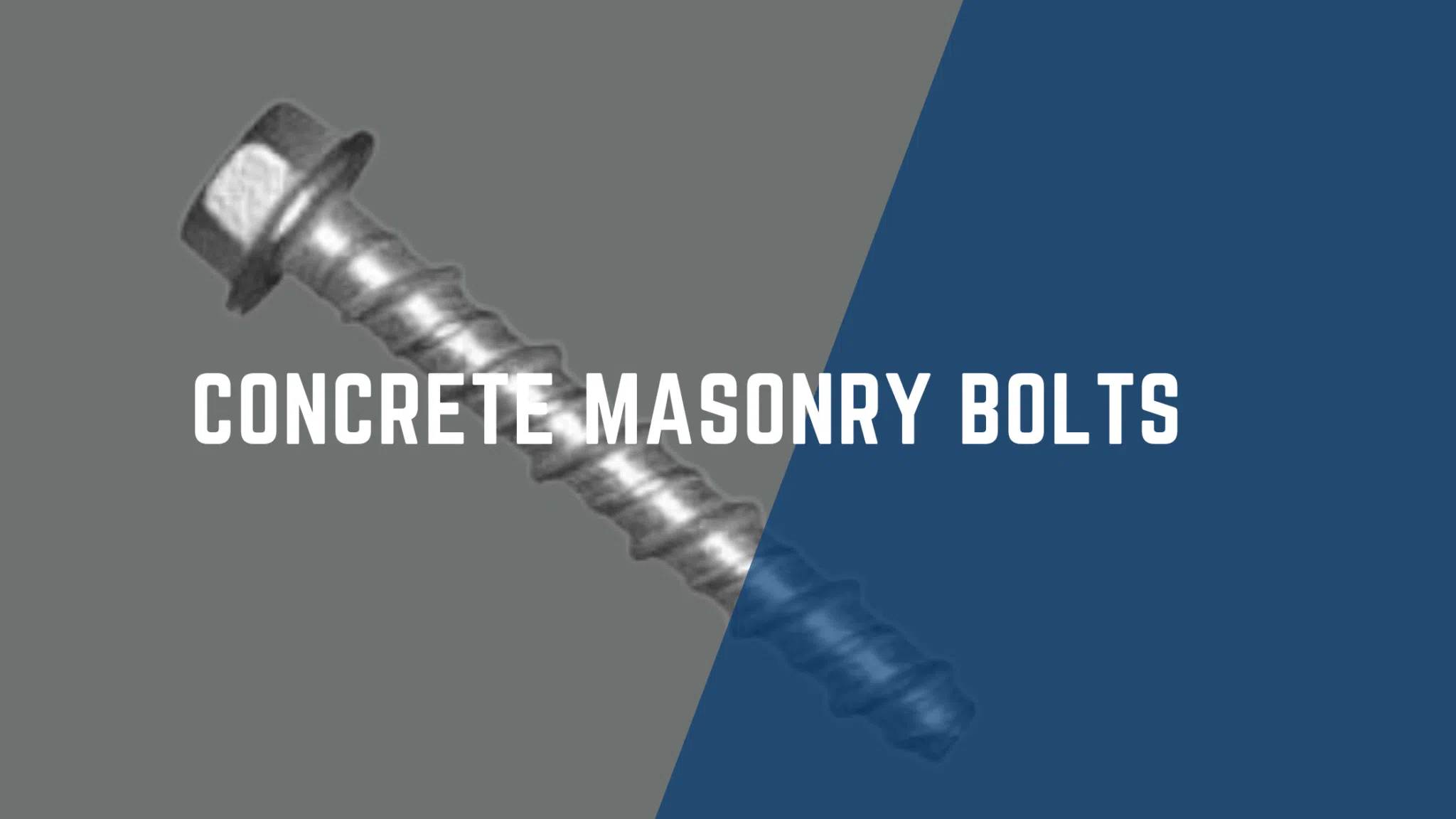
Concrete masonry screws are engineered with specific characteristics that enable superior performance in challenging environments. Their formulation combines high-strength steel with protective coatings, ensuring resilience against corrosion while providing optimal tensile strength. This unique design allows these screws to securely anchor into masonry, concrete, and brick, delivering durability and reliability that exceeds traditional fastening methods.
Material Science: Understanding the Components
The materials used in concrete masonry screws are paramount to their effectiveness. Typically, they are made from hardened steel, allowing for exceptional resistance during installation and prolonged use. The addition of surface treatments, such as zinc plating or black oxide finishes, enhances resistance to rust and wear, significantly extending the screws’ lifespan.
How Thread Design Enhances Grip and Stability
The innovative thread design of concrete masonry screws contributes prominently to their gripping power. Featuring distinctive, aggressive threads that penetrate deeply into the masonry material, these screws create a mechanical lock that resists pull-out forces. This unique geometry optimises the contact surface, providing an exceptionally secure fit.
The intricacies of thread design directly influence the performance of concrete masonry screws. By employing a coarse thread pattern, these screws facilitate a better grip within harder substrates, while finer threads aid in stability within softer materials. For example, the screw’s self-tapping capabilities enable it to carve its own path, reducing the risk of damaging the surrounding concrete. This thoughtful engineering not only ensures enhanced performance but also simplifies installation, making these screws a preferred choice among professionals for various construction applications.
Quantifying Performance: Strength and Durability Metrics
Assessing the strength and durability of concrete masonry screws offers significant insights into their performance in various applications. With impressive tensile strength and exceptional resistance to environmental factors, these fasteners stand out in their capability to maintain structural integrity over time. The following statistics highlight the remarkable durability you can expect from these components under various conditions.
 Tensile Strength Statistics: What the Numbers Reveal
 Tensile Strength Statistics: What the Numbers Reveal
The tensile strength of concrete masonry screws typically ranges from 3,500 to 4,000 PSI, with some advanced models exceeding even these figures. This robust tensile strength reflects their ability to withstand heavy loads without deformation or failure, making them ideal for high-stress applications. You can rely on these fasteners for strong, lasting connections in your constructions.
Comparative Analysis Against Traditional Fasteners
When you examine the performance of concrete masonry screws against traditional fasteners like lag bolts or wood screws, you’ll find significant differences in efficiency and effectiveness. Concrete masonry screws generally provide higher load-bearing capabilities and superior resistance to corrosion, particularly in outdoor settings. Their unique design allows for easier installation and better adherence to concrete surfaces, often outperforming other options.
Performance Comparison Table
| Fastener Type | Tensile Strength (PSI) |
|---|---|
| Concrete Masonry Screws | 3,500 – 4,000+ |
| Lag Bolts | 1,200 – 2,500 |
| Wood Screws | 1,000 – 3,000 |
Your choice of fasteners should consider not only the current project needs but also long-term performance and durability. Concrete masonry screws provide enhanced load capacity, resistance to loosening over time, and minimal susceptibility to environmental degradation, making them a superior choice compared to traditional fasteners. Whether in high-moisture environments or under heavy loads, relying on these screws ensures that your projects stand the test of time.
Durability Factors Comparison Table
| Fastener Type | Corrosion Resistance |
|---|---|
| Concrete Masonry Screws | High |
| Lag Bolts | Moderate |
| Wood Screws | Low – Moderate |
Application Versatility: Where and Why They Excel
Concrete masonry screws stand out for their adaptability across a variety of applications. Their formidable grip makes them ideal for securing materials in both heavy-duty and light-duty environments. From attaching wooden frames to concrete walls to anchoring fixtures in masonry, these screws are a dependable choice. You’ll find that they excel in both exterior and interior projects, proving to be a versatile solution for your fastening needs.
Infrastructure and Construction Trends
Recent trends in infrastructure and construction highlight an increasing reliance on materials that offer both strength and sustainability. Your projects benefit from the ongoing shift towards faster construction techniques and eco-friendly materials. Concrete masonry screws are aligned with these trends as they are designed for efficiency and durability, significantly reducing installation time while ensuring robust connections in various structural applications.
Residential Use Cases: From DIY to Professional Projects
Concrete masonry screws serve a diverse range of residential projects, making them a staple not just for professionals but also for DIY enthusiasts. Their easy installation process and reliable performance empower you to tackle everything from installing shelving and securing fence posts to executing larger renovation projects. The versatility and strength of these screws make them an imperative component in your tool arsenal, regardless of your skill level.
In DIY projects, you might find concrete masonry screws invaluable for mounting heavy objects like televisions or cabinets directly onto masonry without the need for additional materials. For professional builders, these screws reduce the assembly time needed for structural components, such as concrete forms or brick walls. Their resistance to corrosion and ability to withstand shear forces make them ideal for both indoor and outdoor applications, ensuring peace of mind in structural integrity and longevity. Ultimately, whether you’re a novice tackling a home improvement project or a seasoned contractor, integrating concrete masonry screws into your work promises enhanced results and long-lasting fixes.
 Installation Insights: Techniques for Optimal Results
 Installation Insights: Techniques for Optimal Results
Achieving optimal results during the installation of concrete masonry screws relies on a systematic approach. Begin by ensuring the substrate is clean and free from debris, which enhances adhesion and security. Drilling to the correct depth is vital; too shallow may compromise holding strength, whereas too deep can lead to unnecessary complications. Always follow the manufacturer’s guidelines for specific screw types and applications, as these will outline crucial torque settings and installation sequences that can optimise your results significantly.
Essential Tools and Equipment for Efficient Installation
Equipping yourself with the right tools is vital for efficient installation. You will need a high-quality masonry drill bit, as standard bits can blunt easily against concrete. An electric or cordless drill with adjustable torque settings can prevent screw shearing. Additionally, a depth gauge will help you achieve consistent drilling depth, while safety gear, such as goggles and gloves, should be worn to protect against debris.
Common Installation Pitfalls and How to Avoid Them
Common installation pitfalls often stem from improper drilling techniques and inadequate preparation. One frequent error is not using a hammer drill, which can result in stripped screws and ineffective fastening. Additionally, neglecting to assess the load requirements can lead to premature failure. Ensuring that your drill is set to the correct mode and speed is vital for maintaining the integrity of your installation.
Shoddy bit selection is another common mistake; using worn or inappropriate drill bits significantly reduces the effectiveness of your installation. You should also be wary of over-torquing the screws, as this can lead to fracturing the masonry or damaging the screw. Always check compatibility with specific materials and environmental conditions to ensure that you select the best hardware for your project. By systematically following these guidelines, you can significantly enhance the reliability and outcome of your concrete masonry screw applications.
Cost-Efficiency Breakdown: An Investment Worth Making
The initial expense of concrete masonry screws can raise eyebrows, but analysing the overall cost-efficiency reveals a wise investment. These screws enhance structural integrity and reliability, reducing repair needs and ensuring longevity. With their impressive load-bearing capacity, you might find yourself needing fewer fasteners for the job, saving you money in purchasing and labour costs for installations. When considering your expenses, remember that quality materials often translate to greater durability and performance in the long run.
Long-Term Savings: How Proper Use Simplifies Expenses
Utilising concrete masonry screws correctly allows for significant long-term savings on your projects. By choosing the right screw for each application, you can avoid costly repairs and replacements, thereby minimising ongoing maintenance expenses. Well-installed fasteners can resist deterioration from environmental elements, further extending the lifespan of your structures and reducing the likelihood of needing additional investments in your construction efforts.
Market Trends: Price Fluctuations and Influencing Factors
Price trends for concrete masonry screws can vary based on multiple factors such as material costs, demand, and supply chain dynamics. Recent data indicates a fluctuating market primarily influenced by the overall building industry. Global supply chain disruptions and inflation concerns can drive prices up, while availability of raw materials might lead to reductions. Understanding these trends can assist you in making informed purchasing decisions, ultimately allowing for smarter investments in your projects. After assessing these factors, you can choose the best time to buy.
- Material costs
- Demand and supply
- Global supply chain disruptions
- Inflation concerns
The fluctuations in the market for concrete masonry screws often stem from consumer trends as well. As the construction industry adapts to new technologies and sustainability practices, the demand for high-performance fastening solutions continues to grow. Additionally, factors like regional purchasing power can also impact pricing, so it is beneficial to keep an eye on your local market conditions. After evaluating these trends, you can optimise your purchasing strategy for maximum savings.
- Consumer trends
- Sustainability practices
- Regional purchasing power
- High-performance solutions
To wrap up
As a reminder, understanding concrete masonry screws is necessary for any DIY enthusiast or professional. These screws are specifically designed to provide superior holding power in dense materials such as concrete and masonry. When using them, you’ll appreciate their remarkable shear strengths and pull-out resistance, which significantly enhance the security of your installations. With a variety of lengths and diameters available, you can choose the perfect screw for your project, ensuring optimal performance and durability. So, equip yourself with this knowledge to make informed decisions in your future projects.
FAQ
Q: What are concrete masonry screws and what are their primary applications?
A: Concrete masonry screws are specialised fasteners designed for use in concrete, brick, and masonry materials. They are primarily used for securing various fixtures such as electrical boxes, supports for railings, and other structural components directly to masonry surfaces. Their unique threading and hardened design ensure a secure grip within the material, making them ideal for heavy-duty applications.
Q: What materials are concrete masonry screws made from?
A: Typically, concrete masonry screws are manufactured from high-strength steel, often coated with a corrosion-resistant layer such as zinc or epoxy. This ensures durability and longevity, especially in outdoor environments where moisture can lead to rust. There are also options available in stainless steel for applications where maximum corrosion resistance is imperative.
Q: Are there different sizes and lengths of concrete masonry screws available, and how do I choose the right one?
A: Yes, concrete masonry screws come in various diameters and lengths to accommodate different applications. The choice of size depends on factors such as the thickness of the material being fastened and the load it needs to support. It is advisable to consult the manufacturer’s specifications or a professional to determine the most suitable dimensions for your specific project.
Q: What is the installation process for concrete masonry screws?
A: The installation process for concrete masonry screws generally involves drilling a pilot hole into the concrete or masonry surface using a compatible bit. The diameter of the pilot hole should match the specifications for the screw you are using. After drilling the hole, the screw is then driven in using a power or impact driver until it is securely anchored. It is imperative to follow the manufacturer’s guidelines for torque settings during installation to prevent damage.
Q: What are some key statistics about the performance of concrete masonry screws?
A: Statistics indicate that concrete masonry screws can achieve pull-out strengths that vary based on factors such as the type of masonry and the screw’s design. For example, some concrete masonry screws can hold weights exceeding 1000 pounds in concrete, depending on their size and length. Such impressive performance data highlights the reliability of these fasteners for heavy-duty construction and renovation projects.