
Plugs can make or break your DIY projects, and understanding universal wall plugs is important for ensuring the safety and stability of your fixings. Designed for use in various wall types, you must choose the right plug to avoid potential hazards such as wall damage or inadequate support. With their versatility and ease of use, universal wall plugs could be the solution for your next job, but you’ll need to assess whether they suit your specific requirements.
Key Takeaways:
- Universal wall plugs are designed to fit various types of wall materials, improving versatility in construction and DIY projects.
- Proper installation is imperative for ensuring durability and load-bearing capacity, as incorrect use can lead to fixture failure.
- Consider the specific requirements of your job, such as wall type and weight of items to be mounted, before selecting universal wall plugs.
 What Are Universal Wall Plugs?
 What Are Universal Wall Plugs?
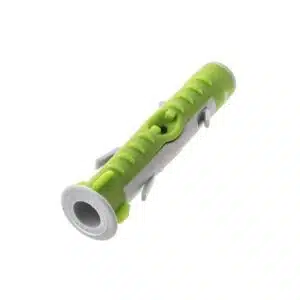
Universal wall plugs, also known as rawl plugs, are fastening devices that allow you to securely attach fixtures to various wall types. They expand inside the wall when a screw is inserted, providing a stable anchor point for items such as shelves, coat hooks, or electrical fittings. Their versatility makes them a popular choice for both DIY enthusiasts and professionals alike.
Definition and Purpose
A universal wall plug is a simple plastic or metal device designed to fit into drilled holes in walls, enabling you to use screws for mounting. The primary purpose is to distribute the weight of the object being hung and prevent it from pulling out of the wall, thereby ensuring safety and durability in your installations.
Types of Universal Wall Plugs
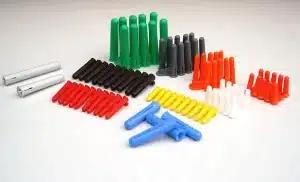
There are several types of universal wall plugs available, each tailored to different materials and applications. The most common types include standard plastic plugs, metal expansion plugs, self-drilling plugs, and fibre plugs. Selecting the appropriate type significantly enhances the fixing strength and longevity of your projects.
| Type | Description |
| Standard Plastic Plug | Commonly used for lightweight fixtures in masonry and drywall. |
| Metal Expansion Plug | Ideal for heavy loads, expanding within solid materials. |
| Self-Drilling Plug | Perfect for quick installations without pre-drilling. |
| Fibre Plug | Used in drywall, providing a firm grip for screws. |
| Multi-Material Plug | Versatile option for various wall types including tiles. |
- Standard Plastic Plugs are often the go-to for quick projects.
- Metal Expansion Plugs offer enhanced stability for heavier fixtures.
- Self-Drilling Plugs save time without needing any extra tools.
- Fibre Plugs excel in lighter applications.
- Multi-Material Plugs are adaptable for different surfaces.
After exploring these types, choose one based on your project’s specific needs and wall composition. Understanding the distinctions can greatly impact the success and safety of your installations.
| Type | Best Use |
| Standard Plastic Plug | Lightweight decorative items. |
| Metal Expansion Plug | Heavy shelves and cabinets. |
| Self-Drilling Plug | Quick set-ups and installations. |
| Fibre Plug | Hanging mirrors and light fixtures. |
| Multi-Material Plug | Versatile for varied wall materials. |
- Standard Plastic Plugs are user-friendly for casual home projects.
- Metal Expansion Plugs require a little more effort but yield solid results.
- Self-Drilling Plugs eliminate the hassle of drilling.
- Fibre Plugs can be particularly useful for drywall.
- Multi-Material Plugs offer ease in mixed environments.
After evaluating the considerations for each type, you can ensure that your choices lead to reliable and long-lasting attachments within your home or workspace.
 Benefits of Using Universal Wall Plugs
 Benefits of Using Universal Wall Plugs
Selecting universal wall plugs offers numerous advantages that can enhance the efficiency and reliability of your installations. They accommodate various wall materials, ensuring that you can tackle a wide range of projects with ease. Moreover, the secure fit they provide reduces the risk of fixtures pulling away from the wall, leading to a more robust and durable solution for your fastening needs.
Versatility
Universal wall plugs are exceptionally versatile, suitable for use in concrete, brick, plasterboard, and more. This adaptability means you can use the same type of wall plug for different materials without needing multiple options, saving you time and effort during your projects. Their design ensures compatibility with a range of screws, making them ideal for various applications.
Ease of Installation
Installing universal wall plugs is straightforward, often requiring just a drill and a screwdriver. The pre-drilled holes allow for quick insertion, while the plug expands within the wall material upon screw insertion, creating a secure hold. This simplicity enables even beginners to achieve professional results without extensive tools or training.
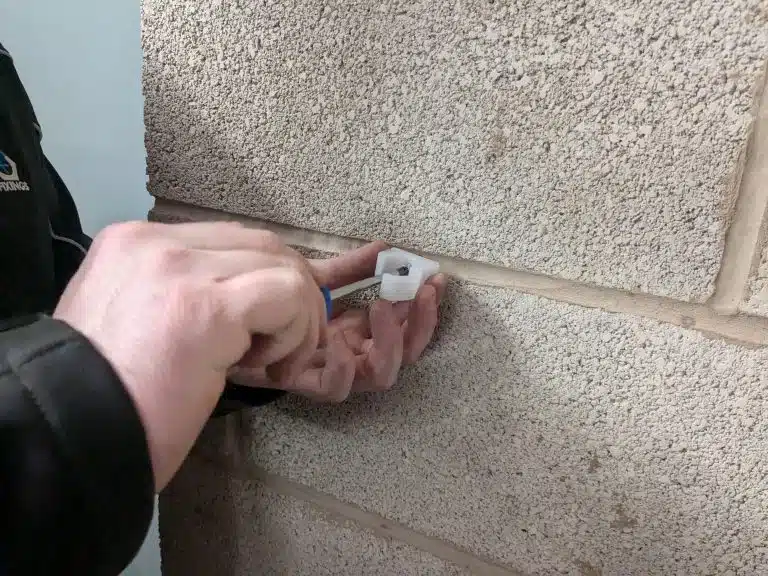
The installation process is designed to be user-friendly. Simply drill a hole to the specified size, insert the wall plug, and drive in the screw. The expansion mechanism secures the plug firmly against the wall, offering immediate support for your fixtures. This ease also means you can make adjustments or remove items without damaging the wall, preserving its integrity.
Improved Load Distribution
Universal wall plugs significantly improve load distribution, allowing you to hang heavier items without the risk of failure. The design facilitates even weight distribution across a larger surface area within the wall, minimising stress on individual points. This feature is especially beneficial when installing shelves or wall-mounted TVs, where support is critical.
By spreading the load more effectively, universal wall plugs reduce the likelihood of cracks or damage to the wall. For instance, when securing a heavy shelf, the increased surface contact provided by the wall plug enhances durability, ensuring that the screws do not easily pull out over time. This strong, stable support not only prolongs the life of your installations but also instils confidence in the integrity of your fixtures.
Considerations Before Using Universal Wall Plugs
Before you opt for universal wall plugs, several key factors require your attention to ensure optimal performance. The specifics of your application, including the type of wall material and the weight of the fixtures involved, can greatly influence the effectiveness of these plugs. Assessing these elements can help you make informed decisions that ensure safe and secure installations.
Material Compatibility
Your choice of universal wall plugs should align with the material of the wall you’re working with. Different plugs are designed for various surfaces, such as brick, plasterboard, or concrete. Using a plug incompatible with the wall material can lead to inadequate grip, resulting in fixture failure.
Weight Limitations
Each universal wall plug has a specified weight limit, which is vital for maintaining safety and structural integrity. Overloading a plug beyond its recommended weight can cause it to loosen or even pull out of the wall, potentially causing damage and injury.
Generally, lightweight fixtures like pictures or small shelves can often be supported by standard universal wall plugs, typically rated for loads up to 10-25 kg. For heavier items, such as large mirrors or substantial shelving units, considering heavy-duty variants is advisable, especially if they are rated for loads exceeding 50 kg. Consulting the manufacturer’s specifications ensures that you avoid overloading the plug beyond its limits, thereby safeguarding your installations.
How to Choose the Right Universal Wall Plug
Selecting the appropriate universal wall plug involves assessing various factors. Start by evaluating the specific application you have in mind, including the type of wall material and the load requirements of the item being hung. Always ensure that the plug you choose is compatible with the fasteners you intend to use, as the wrong combination can lead to inadequate support or damage.
Size and Weight Considerations
The size and weight of the objects you plan to install determine the wall plug’s diameter and length needed for secure attachment. For heavier items, such as shelves or large mirrors, opt for larger plugs designed to distribute weight effectively. Insufficiently sized plugs can result in failure under load, posing safety risks.
Environmental Factors
Your installation environment plays a significant role in plug selection. Variations in humidity, temperature, and exposure to chemicals can affect the durability of materials. For outdoor applications or humid spaces, consider plugs made from corrosion-resistant materials, ensuring they withstand the conditions without compromising integrity.
-
- Installation environment
- Humidity and temperature
- Corrosion-resistant materials
- Durability
- Integrity under conditions
Knowing the environmental context will guide you to the most suitable universal wall plug options.
Different environmental factors can impact the performance of universal wall plugs. For instance, in coastal areas with salt exposure, use plugs specifically engineered to resist corrosion. In damp areas, consider silicone or resin-based anchors that maintain grip without degrading. Adapting your choice to these factors enhances longevity and reliability.
-
- Coastal exposure
- Silicone or resin-based options
- Longevity
- Reliability
- Performance adaptation
Knowing how to match your plugs with surrounding conditions ensures optimal performance and prevents potential failures.
Installation Tips for Universal Wall Plugs
Effective installation of universal wall plugs requires several considerations. Ensure that you select the appropriate plug size for your screw, and check the wall type to determine the best method of insertion. Pre-drilling is often necessary for harder materials. Always use safety equipment such as goggles and gloves. Following these steps can help prevent damage to your walls and ensure a secure fit. Knowing these installation tips will lead to successful outcomes in your projects.
Tools Required
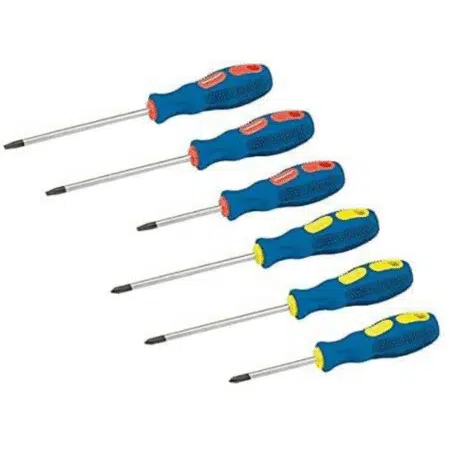
You’ll need several tools to install universal wall plugs efficiently. Key items include a drill and drill bits suitable for your wall type, a screwdriver that matches your screws, a hammer for certain types of plugs, and a level to ensure accurate alignment. Keeping these tools handy will streamline your installation process.
Step-by-Step Installation Guide
Installing universal wall plugs can be straightforward when you follow a systematic approach. Begin by identifying the location of your fixture and mark it on the wall. Next, select the correct drill bit size for your plugs and pre-drill the hole to the appropriate depth. Insert the plug, ensuring it sits flush with the wall surface, and then screw in your fixture securely. A table summarising these steps is provided below to help you follow along.
Step-by-Step Installation Overview
| Step | Details |
|---|---|
| Mark Position | Identify where the fixture will be attached. |
| Choose Drill Bit | Pick a drill bit corresponding to the plug size. |
| Drill Hole | Pre-drill to the required depth for the plug. |
| Insert Plug | Ensure the plug is flush against the wall. |
| Screw Fixture | Secure the fixture using the appropriate screw. |
This installation guide streamlines the entire process, ensuring you don’t miss any steps. By following the marked position, choosing the right drill bit, and careful drilling, you set the foundation for a strong hold. Inserting the plug flush ensures there’s no movement, and securely fastening the fixture prevents accidents. Maintaining accuracy and attention to detail will lead to impressive results.
Detailed Step-by-Step Guide
| Step | Description |
|---|---|
| 1. Position Marking | Use a pencil to make clear markings on the wall. |
| 2. Drill Bit Selection | Select a drill bit that closely matches the universal plug diameter. |
| 3. Hole Drilling | Drill into the wall at a right angle to ensure a proper fit. |
| 4. Plug Insertion | Gently tap the plug into the drilled hole until flush. |
| 5. Fixture Attachment | Tighten the screw into the plug until secure and stable. |
Common Mistakes to Avoid
Avoiding common mistakes ensures the efficacy and safety of your wall plugs. Many users overlook the specific load requirements, leading to compromised structures or potential hazards. Additionally, misunderstanding wall types can further contribute to ineffective installations, ultimately impacting project outcomes.
Overloading Wall Plugs
Overloading wall plugs can lead to serious failures. Exceeding the recommended weight capacity can cause the plugs to pull out, resulting in damage or injury. Always check the specifications for load limits and consider the cumulative weight of items being hung, including any additional elements.
Incorrect Installation Techniques
Incorrect installation techniques can significantly undermine the effectiveness of wall plugs. For instance, failing to drill the appropriate hole size or not ensuring a snug fit can compromise the plug’s grip. If plugs are not driven deep enough or at the correct angle, their holding power diminishes, putting your installations at risk.
Using the wrong drill bit size is a common installation error that can lead to loose or ineffective fittings. For instance, if the hole is too large, the plug won’t be securely anchored, while a hole that’s too small can crack the plug, preventing it from expanding correctly. The depth of the hole is equally important; plugs that aren’t fully inserted may lead to instability. Always refer to the manufacturer’s guidelines for specific hole sizes and techniques, ensuring you achieve a solid, lasting installation.
Conclusion
Presently, understanding universal wall plugs is vital for ensuring that you choose the right fixings for your projects. These versatile plugs can simplify your installation tasks, accommodating various wall types and meeting diverse load requirements. By assessing your specific needs and considering both the wall material and the intended weight, you can make a well-informed decision on whether universal wall plugs are the ideal solution for your job.
FAQ
Q: What are universal wall plugs used for?
A: Universal wall plugs are designed to provide a secure anchor for screws in various wall materials, including brick, concrete, and plasterboard. They expand upon insertion, enabling reliable support for shelves, pictures, and other fixtures.
Q: How do I choose the right size of universal wall plug?
A: The correct size of wall plug depends on the screw diameter and the weight of the object being hung. Generally, follow the manufacturer’s guidelines for matching plugs to screws, and consider the load-bearing capacity for heavier items.
Q: Can I use universal wall plugs in external applications?
A: Yes, many universal wall plugs are suitable for outdoor use, provided they are made from weather-resistant materials. Ensure the plugs are appropriate for the specific external conditions, such as moisture and temperature variations.
Q: Do I need special tools to install universal wall plugs?
A: Installing universal wall plugs typically requires only a drill and the appropriate drill bit for the size of the plug. A screwdriver is also needed to apply the screw securely after inserting the plug.
Q: Are there alternatives to universal wall plugs?
A: Yes, alternatives such as toggle bolts and masonry screws can be used depending on the wall type and the weight of the object. Each option has specific applications, so selecting the right type for your project is necessary.