
Guide to selecting the appropriate wall plugs for your project, ensuring safety and durability in your installations. By understanding the different types of wall plugs and their specific applications, you can enhance the strength of your fixings and avoid potential hazards. Choose wisely to ensure solid anchoring whether you’re hanging shelves, fixtures, or any other items, as the wrong choice can lead to disastrous results. This comprehensive guide will empower you with the knowledge to make informed decisions for successful outcomes.
Key Takeaways:
- Different wall materials require specific types of wall plugs for optimal support and stability.
- Consider the weight of the item being hung to select a suitable plug that can bear the load.
- Proper installation techniques are necessary for ensuring the effectiveness of wall plugs in various applications.
Types of Wall Plugs
Understanding the different types of wall plugs available is crucial for effective installation. The right choice will depend on factors such as wall material, load requirements, and environmental conditions. Here’s a breakdown of the commonly used types:
| Type | Description |
|---|---|
| Plastic Wall Plugs | Ideal for light to medium loads in masonry and plasterboard. |
| Metal Wall Plugs | More robust than plastic, suited for heavier items. |
| Toggle Bolts | Perfect for hollow walls, providing strong support. |
| Special Purpose Plugs | Designed for specific materials or applications. |
| Screws | Often accompany plugs for a secure fit. |
Plastic Wall Plugs
Lightweight and versatile, plastic wall plugs are commonly used for hanging pictures or lightweight shelves. They work well in masonry and plasterboard, expanding securely when you insert a screw. For optimal performance, choose plugs that fit the screw diameter, ensuring a snug fit.
Metal Wall Plugs
Metal wall plugs offer enhanced strength for heavier loads, making them suitable for items like cabinets and large mirrors. These plugs can withstand greater stress, resulting in a more secure installation, especially in masonry walls.
Typically made from materials like steel or zinc, metal wall plugs grip more firmly and resist rotation during installation. They are particularly advantageous in situations where exceptional strength is necessary, as they can support much heavier items compared to their plastic counterparts.
Toggle Bolts
Utilised primarily for hollow walls, toggle bolts consist of a toggle mechanism that expands once inserted, providing a strong anchor point. Ideal for ceilings and wall-mounted fixtures, they distribute weight effectively, preventing damage to the wall.
In installations requiring significant support, toggle bolts outshine standard wall plugs. Their design allows you to hang heavy items securely on drywall or plaster, making them invaluable for mounting shelves, televisions, or even heavy art pieces. The toggle action ensures that once installed, the plugs offer maximum stability.
Special Purpose Plugs
For unique applications, special purpose plugs cater to specific needs such as fitting into insulation, soft materials, or particular cladding surfaces. These plugs are crucial when standard options fail to meet requirements.
Offering tailored solutions for distinct applications, special purpose plugs can include designs like expansion anchors and chemical anchors. Such plugs are engineered to provide substantial holding power under various conditions, ensuring that irrespective of the surface you are working with, you have the right support for your project.
Factors to Consider When Choosing Wall Plugs
Several factors can influence your choice of wall plugs, ensuring the right fit for your project. Consider the weight capacity, the wall material, and the environmental conditions where the plugs will be used. Each element plays a significant role in achieving a stable and durable installation. This choice affects the longevity and safety of your mounted items.
Weight Capacity
Your wall plugs must support the weight of the object being hung. Different plugs offer varying weight capacities, which you need to match to your specific load requirements. For instance, heavy-duty plugs can hold considerable weight, while lighter options are suitable for smaller items. Investing in the right plug ensures that your installation will remain secure and stable over time.
Wall Material
The wall material directly impacts the type of wall plug you should choose. Whether your walls are made from plasterboard, concrete, or brick, different materials require specialised plugs that provide optimal grip and support.
For instance, plasterboard is best paired with toggle bolts or hollow wall anchors to distribute weight effectively, whereas concrete walls benefit from expanding screws or heavy-duty wall plugs designed for added strength. Selecting the appropriate type enhances both ease of installation and long-term reliability.
Environmental Conditions
Consider the environmental conditions the wall plugs will face, as certain materials perform better in specific settings. Factors such as moisture, temperature fluctuations, and exposure to elements can significantly affect your choice.
For outdoor installations, opt for corrosion-resistant plugs made from materials like nylon or stainless steel. In humid environments, ensure your selection is mould-resistant to prevent degradation over time. Properly addressing these conditions will increase the lifespan of the installation and ensure safety.
The Step-by-Step Guide to Installing Wall Plugs
| Preparation and Tools Needed | Gather a drill, appropriate wall plugs, a screwdriver, a pencil, a tape measure, and a spirit level. Ensure you have the right drill bit size for your wall plugs. Clear the area of any obstacles for ease of access. |
| Installation Process | Begin by marking the desired location for your wall plug with a pencil. Use a drill to create a hole of the right diameter. Insert the wall plug, ensuring it’s flush with the wall, then screw in your fixture. |
Preparation and Tools Needed
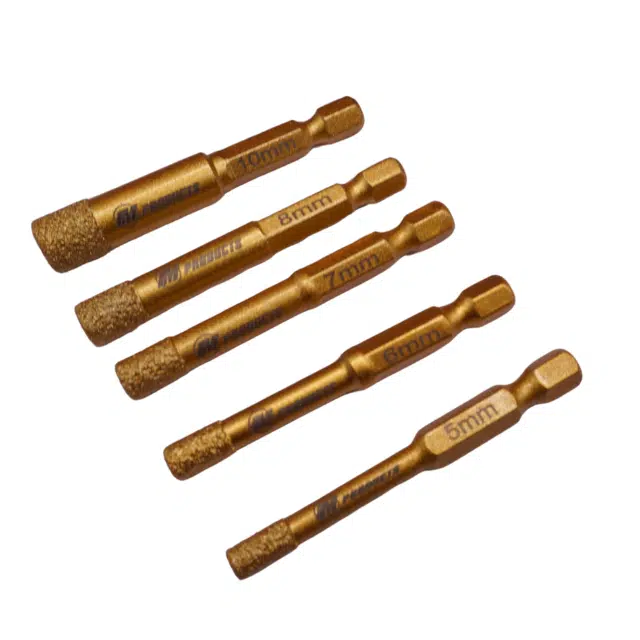
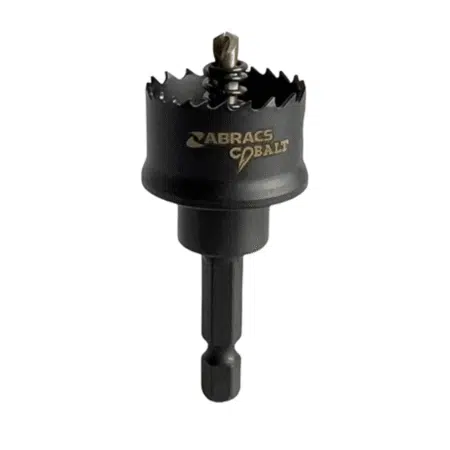
Before beginning the installation, check that you have everything you need to avoid interruptions. A standard toolkit of a drill, wall plugs, screwdriver, pencil, tape measure, and spirit level will suffice. Ensure you have the correct drill bit that matches the size of your wall plugs to achieve a secure fit.
Installation Process
The installation process initiates by marking the spot where you want your wall plug to go. Carefully drill a hole, using the correct sized bit to match your plugs. After drilling, gently tap the wall plug into the hole until it sits flush with the wall. Finally, insert the screw into the plug and secure your fixture tightly, ensuring it bears the required weight.
During installation, use a spirit level to confirm that your marks are straight, especially for shelves or frames. The depth of the drilled hole should match the length of the wall plug to prevent any protrusion, which can weaken the structure. For added strength, consider using expansion plugs for heavier items, as they grip more securely within the wall material.
Tips for Choosing the Right Wall Plugs
Selecting the appropriate wall plugs is important for ensuring your fixtures remain securely fastened. Consider factors such as the wall material, load capacity, and plug type. Use the following tips to guide your decision:
- Identify the wall material – drywall, concrete, or brick.
- Match the plug type to the load you intend to hang.
- Check the size of screws you will use with the plugs.
- Consult manufacturer guidelines for specific weight limits.
- Test with a sample when in doubt.
Assume that making the right choice now will save you from future complications.
Assessing Your Project Needs
Your specific project requires careful consideration to determine the most suitable wall plugs. Understand the weight and type of items you wish to hang, as well as the wall surface’s composition. If you are hanging heavy shelves, a stronger plug like a frame plug or toggle bolt might be necessary, while lighter items may only require a simple plastic expansion plug. Account for any environmental factors as well, such as humidity or temperature changes that may affect binding.
Avoiding Common Mistakes
Missteps in choosing wall plugs can lead to disastrous results, such as damaged walls or fallen items. One frequent error is selecting a plug that doesn’t match your wall material. For instance, using a plaster wall plug in a brick wall will compromise the installation. Not pre-drilling when required or using screws that are too long can weaken the hold and damage the plaster or brickwork. Always double-check your measurements and load limits before proceeding.
Avoiding common mistakes mainly involves thorough research and preparation. Many inexperienced DIYers overlook the *wall type*, which leads to choosing incompatible plugs. The weight of the item must also align with the load rating of the plug used; exceeding this can result in failures. For example, a typical pegboard hook requires lightweight anchors, while heavy shelving units must be fitted with high-capacity toggles or shield anchors to maintain safety and stability. Ensuring you have the correct tools and an understanding of your project will yield a successful implementation.
Pros and Cons of Different Wall Plug Types
Pros and Cons
| Type | Pros & Cons |
|---|---|
| Plastic Wall Plugs | Cost-effective, easy to use; can split in soft materials |
| Metal Expansion Plugs | High load capacity, suitable for heavy items; installation can be difficult |
| Toggle Bolts | Excellent for hollow walls; can damage drywall upon removal |
| Screw-in Plugs | Quick installation, adjustable depth; lower weight limit |
| Concrete Anchors | Designed for solid walls, very secure; requires masonry tools |
Advantages
Various wall plug types offer distinct advantages tailored to specific applications. Plastic wall plugs are affordable and effective for light fixtures, while metal expansion plugs support heavier loads. Toggle bolts excel in hollow walls, providing strong anchorage, while screw-in plugs allow for quick adjustments. Concrete anchors are unmatched for security in solid surfaces, ensuring your fixtures remain stable and secure.
Disadvantages
Each type of wall plug has its downsides that can affect your choice. Plastic plugs, while cost-effective, may not perform well in softer materials, resulting in ineffective hold. Metal expansion plugs can be difficult to install correctly, and toggle bolts may damage your wall when removed. Screw-in plugs are limited in their weight capacity, and concrete anchors need specialised tools, which can add to the project cost and complexity.
Considering the disadvantages, one must weigh the specific requirements of their project against the limitations of each wall plug type. For instance, tackling a heavy load with inappropriate plugs can lead to failure, while overly complex solutions for lighter tasks may drive unnecessary expenses. Balancing ease of installation, strength, and material compatibility is key to successful outcomes, emphasising the need for careful selection based on the context of the fixtures you intend to install.
Maintenance and Replacement of Wall Plugs
Regular maintenance of wall plugs can prevent accidents and prolong their lifespan. Keeping an eye on your fixtures ensures that any wear and tear does not compromise their integrity. You should examine your wall plugs every few months for signs of damage, corrosion, or loosening. If any issues arise, swift action will help maintain the safety of your installations.
Signs It’s Time to Replace
Be vigilant for indicators that replacement is necessary. If you notice cracks, chips, or rust on the wall plugs, or if your screws are loosening despite tightening, it’s time to replace them. Additionally, if any fixtures feel unstable or you observe any movement, prioritise replacement to safeguard both the item and the surrounding wall.
Best Practices
Implementing best practices with wall plugs can enhance their durability and effectiveness. Always use plugs suitable for the wall material, and ensure they are the correct size for the screws used. Overloading a plug or using an incorrect type can lead to failure, so consult manufacturer guidelines to achieve optimal results. universal wall plug applications explained include a variety of common scenarios such as mounting shelves, securing appliances, and installing fixtures. Understanding the different types of plugs available helps in selecting the best option for each specific application. By doing so, one can ensure a safer and more reliable solution for all mounting needs.
Choose wall plugs based on the specific load requirements of your fixtures, and select ones designed for the wall’s material—be it brick, plaster, or drywall. Regularly inspect your installations, especially in high-traffic or load-bearing areas. When installing, ensure the depth and width of the holes match the plugs for a snug fit, reducing the likelihood of slippage or breakage. Adopting these best practices will result in a safer and more durable setup, preventing frequent replacement and ensuring peace of mind. In addition to those factors, consider universal wall plug selection tips that can enhance your installation experience. It’s vital to pay attention to the weight and design of your fixtures, as certain plugs offer better support for heavier items. Finally, always ensure compatibility with the plug’s load rating to maximize safety and functionality. When using bifix wall plugs installation techniques, it’s important to follow specific guidelines to ensure optimal performance. Make sure to choose the right size and type of plug for your wall to boost the holding power. Additionally, always refer to the manufacturer’s instructions for the best results during the installation process.
Conclusion
To wrap up, selecting the appropriate wall plugs for your projects is imperative for ensuring security and durability. By considering factors such as wall material, load requirements, and plug type, you can make informed decisions that will enhance your work’s overall quality. Understanding these elements empowers you to choose wall plugs that meet your specific needs, leading to successful installations and lasting results. When researching options, it is essential to review rawlplug product features and specifications to identify the best fit for your requirements. These attributes not only inform you about the performance capabilities but also provide insights into compatibility with varying materials. This comprehensive understanding enables you to achieve optimal results in your installations.
FAQ
Q: What are wall plugs and why are they used?
A: Wall plugs, also known as anchors, are devices used to secure screws in materials like brick, concrete, or plasterboard. They provide a stable base for screws, allowing for the mounting of shelves, fixtures, or other items safely and securely.
Q: How do I choose the right size wall plug?
A: Selecting the appropriate size wall plug depends on the type of screw you are using and the weight of the object being mounted. Consult the packaging or specifications of the wall plug, which typically indicate compatible screw sizes and load capacities.
Q: Are there different types of wall plugs for various materials?
A: Yes, there are several types of wall plugs suited for different materials. For instance, plastic plugs work well in plasterboard, while metal or expanding plugs are ideal for concrete or brick. It’s vital to select the correct type based on the material for optimal performance.
Q: Can I use wall plugs for outdoor projects?
A: Yes, there are wall plugs specifically designed for outdoor use. These typically feature materials that are resistant to moisture and corrosion, ensuring durability even in harsh weather conditions. It’s important to check that the wall plug is rated for outdoor applications.
Q: What should I do if a wall plug is loose after installation?
A: If a wall plug becomes loose, it may need to be replaced. First, remove the old plug and ensure that the hole is clear of debris. You can then either use a larger plug or fill the hole with an appropriate filler and allow it to set before re-drilling and inserting a new plug.