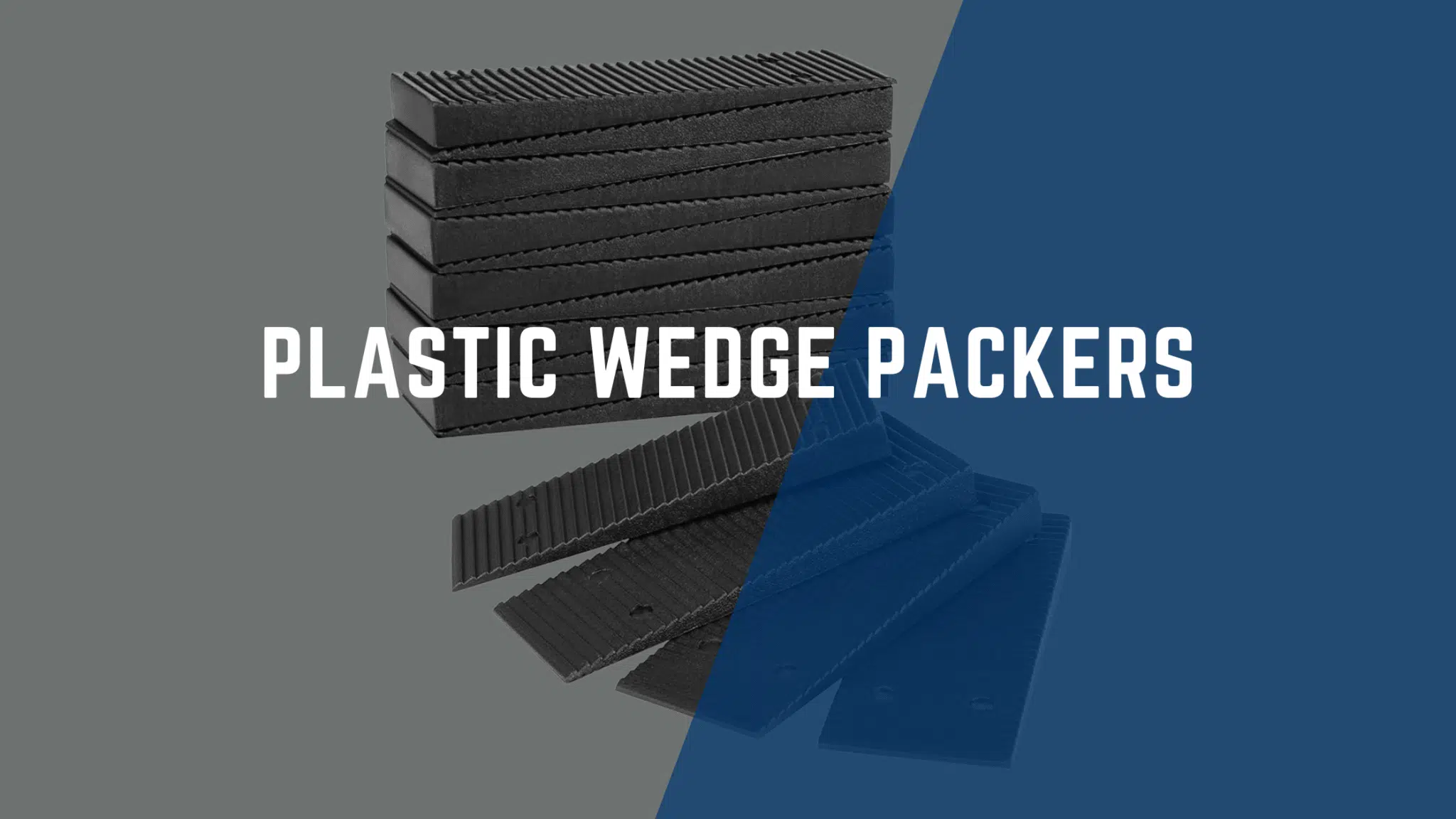
Plastic wedge packers may seem simple, but getting the right size makes all the difference between a perfect, long-lasting finish and a headache-filled installation. Whether you’re fitting windows, doors, decking, or flooring, selecting the correct wedge thickness ensures your work is level, stable, and secure.
In this guide, we’ll break down exactly what “3-6mm” means, why it matters, and how you can select, use, and combine wedge packers for flawless results in any construction project.
Looking to buy quality wedge packers in bulk?
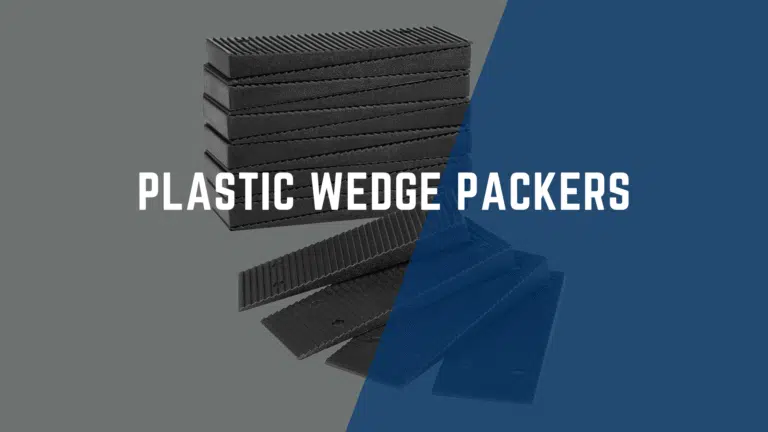
Shop our 30mm x 3-6mm x 80mm Plastic Wedge Packers (1000 Pack) here. These durable wedge packers are perfect for ensuring accurate spacing and leveling in various building projects. When you choose our plastic wedge packers for construction, you can trust their reliability and quality to meet your needs. Order now to take advantage of our bulk pricing and improve your workflow efficiency.
Why Size Matters with Wedge Packers
The job of any wedge packer is to fill an exact gap, level surfaces, and provide ongoing support without shifting or degrading. If a packer is too thin, it won’t stabilize the structure; if it’s too thick, it can distort your frame or surface, creating new problems like:
– Bowed window or door frames
– Uneven floors or steps
– Creaking under load
– Poor sealing, leading to draughts, leaks, or movement
Using the right thickness avoids callbacks, keeps your work compliant with building standards, and protects your business’s reputation.
Understanding 3-6mm Packer Sizing
So, what does “3-6mm” actually mean? Let’s break it down using the 30mm x 3-6mm x 80mm product as an example:
– 30mm (Width): This is the broad, load-bearing face. Wider packers spread weight more evenly, reducing risk of crushing.
– 80mm (Length): The full reach of the wedge. Longer is better for larger frames, tiles, or joists.
– 3-6mm (Thickness): This is the “taper” of the wedge—it starts at 3mm (thin end) and increases gradually to 6mm (thick end).
This adjustable taper lets you slide and fine-tune the packer for a perfect, tight fit. You get a full 3mm range of adjustment in one versatile packer.
Common Uses for 3-6mm Wedge Packers
– Window & Door Installation:
Most common frame gaps fall into the 3-6mm range. Use these packers at fixing points—especially corners and hinge sides—to ensure squareness and prevent movement.
– Decking Joists & Subfloors:
Outdoor surfaces rest on a series of supports. 3-6mm packers correct for dips or slope, making the finished surface dead flat.
– Floor Levelling:
Laminate, tile, LVT, or hardwood flooring often needs gap-filling or adjustment under battens and at transition points.
– Cladding/Battening:
Modern rainscreen, timber cladding, and partition walls rely on precise air gaps and stable support.
– DIY Repairs and Furniture:
From kitchen cabinets to uneven appliances, thin wedge packers make quick work of wobbles and misalignment.
How to Measure for the Right Wedge Packer
Tools Needed
– Tape measure, ruler, or digital caliper (for small, tight gaps)
– Bubble or laser level (for checking flatness)
– Pencil or chalk
Quick Steps
1. Prepare the Area:
Remove dust and debris so your measurements are accurate.
2. Take Multiple Readings:
Gaps and surfaces often aren’t uniform. Check at various points to find the thinnest and thickest area.
3. Record Gaps:
Write down the minimum and maximum measurements. If you have a gap from 3mm on one side to 5mm on the other, a single 3-6mm wedge will suit.
4. Test Fit First:
Insert a wedge packer and check the fit before fully securing your component. It should be snug but not forced.
5. Check for Level:
Always re-check with a level or square before and after inserting the packer.
Advanced Sizing: Stacking and Trimming Packers
Sometimes, you’ll need to fill gaps larger or more irregular than a single packer can cover.
Stacking
– Place packers with opposing tapers (thin-to-thick, thick-to-thin) to combine thicknesses.
– If you need more than 6mm, stack packers to achieve the right depth—e.g., two 3-6mm wedges can easily create a 6-12mm adjustment when paired properly.
Trimming
– Wedge packers are made from tough but workable plastic.
– Cut to size with a utility knife or saw for tight spots or custom needs.
Project Example: Using 3-6mm Packers to Install a Door
1. Dry fit the frame in the opening.
2. Measure the gap on all four sides.
3. Insert 3-6mm wedge packers at the hinge side corners and latch side corners.
4. Tap in gently until the frame sits square and plumb.
5. Secure with fixings and check operation.
Benefits of Using the Correct Wedge Packer Size
1. Long-Term Stability
The perfect fit ensures that frames, floors, and supports won’t shift over time. Well-sized packers resist movement from vibration, temperature changes, or building settlement.
2. No Damage or Warping
Too big a packer can distort your frame or surface, causing stress and potential cracking. The adjustable 3-6mm taper offers just the right pressure—no over-tightening or gaps.
3. Faster Installation
Guesswork slows down your work. By matching the gap size to your wedge packer first time, you reduce rework, improve consistency, and impress clients.
4. Building Regulation Compliance
With energy, fire, and acoustic standards getting tougher, inspectors will check installations for proper fixing and support. Using the right packer size helps you meet all relevant UK building codes.
5. Professional Results—Every Time
No rocking windows, no uneven decking, just clean, robust, high-quality construction you can sign off with pride.
Frequently Asked Questions on Packer Sizing
Q: What if my gap is slightly less than 3mm or greater than 6mm?
A: For smaller gaps, a single flat plastic shim or thin non-tapered packer can help. For larger gaps, stack wedge packers as described above, or combine with a flat packer for extra depth.
Q: Are all packers from one pack exactly the same?
A: Quality plastic wedge packers from reputable suppliers like Always First 4 Fixings are precision-moulded for consistency—no more worrying about unreliable timber offcuts!
Q: Can I re-use wedge packers?
A: Absolutely. Unless damaged or fixed in place permanently, plastic wedge packers can be removed and reused many times.
Q: Will they slip or be affected by moisture?
A: Not if you buy high-quality, ribbed, or textured packers—they’re designed to grip surfaces and are water, rot, and UV-resistant.
Quick Sizing Chart
Project Type Common Gap Size Needed
Window/Door Frames | 3–6mm | 30mm x 3-6mm x 80mm
Floor/Joist Levelling | 3–8mm | Stack 3-6mm packers
Decking/Joists | 2–6mm | 3-6mm or combine sizes
Wall Battening | 3–10mm | Stack 3-6mm as needed
DIY/Furniture | 1–6mm | Trim or stack packers
Conclusion
Choosing the correct wedge packer size is crucial for anyone who wants professional, stable, and lasting results. 3-6mm wedges are the most versatile, offering a perfect fit for most construction, joinery, and DIY challenges. Always keep a box of our 30mm x 3-6mm x 80mm plastic wedge packers on hand for your next project—you’ll save time, boost quality, and work with confidence.
Ready to order? Shop now.
If you’d like to learn more about:
– How to use wedge packers for levelling and spacing
– The benefits of modern plastic wedge packers versus traditional spacers
– Saving money by buying wedge packers in bulk
visit our other expert guides in this series! Exploring these guides will provide you with valuable insights into the numerous benefits of plastic wedge packers, which not only enhance stability but also improve efficiency in construction projects. Understanding their application and advantages can lead to better decision-making and cost savings. Don’t miss out on unlocking the full potential of your building practices!