
You need to select the appropriate multi tool blade for your wood projects to achieve optimal results and efficiency. With various blade types available, understanding their specific functions and suitability for different tasks will help enhance your craftsmanship. This guide will provide you with vital tips to ensure you make an informed choice, allowing you to tackle any woodworking endeavour with confidence and precision.
Key Takeaways:
- Choose a blade type that matches the specific wood cutting task, such as saw blades for cutting and rasp blades for shaping.
- Consider the tooth design and kerf width for the desired finish and efficiency in your wood projects.
- Ensure compatibility between the blade and multi-tool for optimal performance and safety during use.
 Understanding Multi Tool Blades
 Understanding Multi Tool Blades
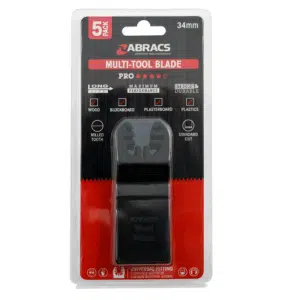
Multi tool blades play a vital role in ensuring precision and efficiency in woodwork. Each blade serves a specific function, and understanding these can help you select the right one for your project. Various factors such as blade shape, size, and material impact performance, making it imperative to consider your intended tasks when choosing a blade.
Types of Blades for Wood Projects
Several types of blades cater specifically to wood projects, each designed for distinct applications. Common blade types include:
- Saw blades for cutting through thick materials.
- Rasp blades for shaping and smoothing surfaces.
- Sanding blades for finishing touches and polishing.
- Scraper blades for removing old paint or adhesive.
- Perceiving the right blade type enhances your ability to effectively tackle any wood project.
| Type of Blade | Use |
| Saw Blade | Cutting wood |
| Rasp Blade | Shaping and smoothing |
| Sanding Blade | Finishing surfaces |
| Scraper Blade | Removing old paint |
Blade Materials and Their Properties
The choice of blade material is integral to achieving optimal performance. Common materials include high-carbon steel, bi-metal, and carbide-tipped blades, each offering unique advantages in terms of durability and cutting efficiency.
High-carbon steel blades are flexible and easy to sharpen, making them suitable for less demanding tasks. Bi-metal blades combine flexibility and strength, ideal for tougher jobs without risk of breakage. Carbide-tipped blades provide exceptional longevity and cutting precision, excelling in heavy-duty applications. Selecting the right blade material based on your project’s requirements can greatly enhance efficiency and results.
Key Factors to Consider
Several imperative factors dictate your choice of multi tool blade for wood projects. These include the type of wood you’ll be working with, the specific tasks at hand, and your multi tool’s compatibility. Understanding these elements ensures you select the most effective blade, enhancing your efficiency and the quality of your work. Consider the following:
- Type of wood and its hardness
- Intended task (cutting, shaping, sanding)
- Blade material and design
- Tool compatibility
Perceiving these factors will significantly elevate your woodworking skills.
Compatibility with Your Multi Tool
Your multi tool’s compatibility with a blade is foundational to its performance. Each brand may have unique fitting mechanisms; hence, always check if the blade is specifically designed for your model. Using incompatible blades can lead to poor performance or damage to your tool and the blade.
Project Requirements and Blade Selection
Selecting the right blade type hinges on the specific requirements of your project. Different tasks demand tailored blades; for instance, detailed work might require a finer-toothed blade, while rough cuts may benefit from a more aggressive design. Taking time to analyse the needs of your project ensures optimal outcomes.
When considering project requirements, think about the wood’s thickness and type. For intricate tasks like crafting dovetail joints, a precision saw blade is ideal, whereas broader applications such as trimming or rough cuts would necessitate a robust, coarse blade. The blade selection can affect not only the speed of your work but also the quality of the finished product, making informed choices vital for successful woodworking projects.
Tips for Choosing the Right Blade
- Consider the type of wood and thickness.
- Select the appropriate tooth count for your needs.
- Check compatibility with your multi tool.
- Look for high-quality materials for longevity.
- Read reviews for user experiences before buying.
Assume that these tips will guide you towards making an informed decision for your next wood project.
Assessing Cutting Needs
Begin by considering the specific tasks you will be undertaking. Different projects demand different cutting techniques; for instance, thicker and denser woods require blades designed for heavier tasks. Establish whether you will need precision cuts, straight edges, or the ability to handle intricate curves, as each requires a unique blade configuration to achieve optimal results.
Evaluating Blade Durability
Blade durability is vital for maintaining efficiency and reducing replacement costs. Look for blades made from high-quality materials, such as bi-metal or carbide-tipped for enhanced longevity. A robust blade can endure repeated use without dulling, allowing you to complete more projects without interruptions. Furthermore, consider warranty offers from manufacturers, as they often indicate confidence in a blade’s lifespan.
Evaluating blade durability means assessing the materials and engineering behind the product. For instance, bi-metal blades combine flexibility and hardness, making them ideal for varied cutting tasks. Blades with carbide tips, though more expensive, deliver superior wear resistance and maintain sharpness for longer. Being aware of the intended usage will also direct you towards the right blade; heavy-duty applications, such as cutting hardwood, demand exceptionally durable options. Regular maintenance, such as cleaning and proper storage, also impacts longevity, ensuring you get the most out of your investment.
Maintenance and Care for Multi Tool Blades
 Maintenance and Care for Multi Tool Blades
To prolong the lifespan of your multi tool blades and ensure optimal performance, routine maintenance is important. Consistent care involves cleaning, proper storage, and sharpening techniques tailored to the specifics of your blades. Neglecting these basic practices can result in reduced efficiency and premature wear, which could compromise the quality of your woodworking projects.
Cleaning and Storage
After each use, clean your blades to remove sawdust, resin, and other debris. Use a soft cloth and, if necessary, a gentle adhesive remover for stubborn residue. Store your multi tool blades in a dry, protective case to prevent rust and accidental damage. Keeping them organised not only extends their life but also makes it easier for you to find the right blade for future projects.
Sharpening Techniques
Regularly sharpening your multi tool blades enhances their cutting efficiency. Use a diamond file or sharpening stone at the appropriate angle for the blade type, often around 15-20 degrees. Begin by establishing the edge, then work along the blade length in smooth strokes, ensuring consistency. Always check for blade damage before sharpening, as nicked or bent edges require repair or possible replacement.
When sharpening, maintain a steady hand and apply equal pressure throughout the stroke to achieve a uniform edge. It’s effective to create a honing guide if you don’t feel confident in maintaining the angle by hand. For those more comfortable with power tools, consider a rotary tool with a diamond wheel designed for sharpening, but exercise caution to avoid overheating the blade, which can compromise its integrity. With proper sharpening, your multi tool blades will perform efficiently and last significantly longer, enhancing the quality of your woodworking experiences.
Common Mistakes to Avoid
Avoiding common pitfalls when selecting a multi tool blade can significantly enhance your wood projects. Many users overlook important details that can affect performance and results. Adhering to best practices will ensure you make informed decisions that lead to successful outcomes.
Ignoring Manufacturer Recommendations
Always refer to the manufacturer’s guidelines when selecting your multi tool blade. These specifications provide insights into the appropriate blade type, materials, and applications. Ignoring these details can lead to subpar performance and even damage your tools. This can compromise not only the quality of your work but also your safety.
Overlooking Wood Types
Understanding the specific types of wood you’ll be working with is necessary for choosing the right blade. Different woods possess varying densities, hardness levels, and grain patterns, impacting the cutting process. Selecting a blade that matches these characteristics can significantly improve your efficiency and finish. This ensures that you achieve clean cuts while preventing unnecessary wear on your tools.
- This will ultimately enhance the quality of your projects.
| Wood Type | Recommended Blade |
| Pine | Fine-toothed blade |
| Oak | High-performance bi-metal blade |
| Plywood | Multi-purpose blade |
| Hardwoods | Carbide-tipped blade |
| Bamboo | Saw blade with fewer teeth |
Selecting the right blade requires knowledge of how various wood types interact with cutting tools. Softwoods like pine are more forgiving with finer-toothed blades, while harder options like oak need robust blades to ensure clean cuts. Understanding these nuances can prevent tear-out and ensure the longevity of your tools. This awareness will save you time and preserve the integrity of your work.
- This knowledge will aid in making informed choices.
| Wood Characteristics | Impact on Blades |
| Density | Affects cutting speed |
| Moisture Level | Influences blade wear |
| Grain Patterns | Determines cutting precision |
| Fibre Structure | Requires specific tooth configurations |
| Size of Material | Dictates blade length and shape |
Recommendations for Top Multi Tool Blades
When dicking out multi tool blades for wood projects, consider options that cater to your specific needs. Brands like Bosch, Fein, and Makita offer a range of blades designed for various applications. Look for features such as bi-metal construction for durability or special tooth designs for faster cutting speeds. The right blade can greatly enhance your efficiency and output quality, especially in woodworking tasks.
Budget-Friendly Options
If you’re working with a limited budget, consider blades from brands like Starlock or Silverline. These options provide solid performance without breaking the bank, often featuring standard bi-metal designs that handle general wood cutting tasks effectively. You can find a range of price points under £10, making them accessible for occasional users.
High-End Choices
For those willing to invest more, premium blades from companies like Fein or Bosch’s Starlock line can make a significant difference in your wood projects. High-end blades often come with advanced features such as precise serration patterns, allowing for smoother cuts and longer life spans, often outperforming standard blades under heavy use. You may find these options priced from £20 to £40, reflecting their superior technology and construction.
High-end choices often utilise specialised materials, which not only contribute to longevity but also enhance cutting efficiency. For example, blades designed with enhanced tooth geometry can reduce friction, enabling cleaner cuts and less splintering on wood surfaces. Investing in a high-quality blade can save you time and resources in the long run, making it a wise choice for serious woodworkers who demand precision and performance.
Summing up
So, when selecting the right multi-tool blade for your wood projects, consider the type of cuts you need, the wood species you’ll be working with, and the specific blade design that suits your tasks. Look for quality materials and durability to ensure longevity. Also, matching the blade’s teeth configuration and size to your project requirements will enhance efficiency. By focusing on these aspects, you can optimise your multi-tool performance and achieve clean, precise results in your woodworking endeavours.
FAQ
Q: What types of multi tool blades are best for cutting wood?
A: The best types of multi tool blades for cutting wood include wood cutting blades with high teeth counts, bi-metal blades for versatility, and specialty blades designed for tasks such as plunge cutting and shaping.
Q: How do I know what thickness of wood a blade can cut?
A: The specifications provided by the manufacturer typically indicate the maximum thickness the blade can handle. Always consult these guidelines to ensure the blade is suitable for your specific wood thickness.
Q: Are there multi tool blades specifically designed for soft vs hard wood?
A: Yes, there are blades designed specifically for soft and hard woods. Soft wood blades are often finer to prevent tearing, while hard wood blades may have more robust teeth to handle the density.
Q: Can I use a standard multi tool blade for delicate woodcraft projects?
A: It is advisable to use blades specifically designed for delicate work, such as fine tooth blades or those labelled for precision cuts, to achieve a clean finish without damaging the material.
Q: How often should I replace my multi tool blades when working with wood?
A: Blade replacement frequency depends on usage intensity. If you notice a decrease in cutting performance or excessive splintering, it is time to replace the blade for optimal results.