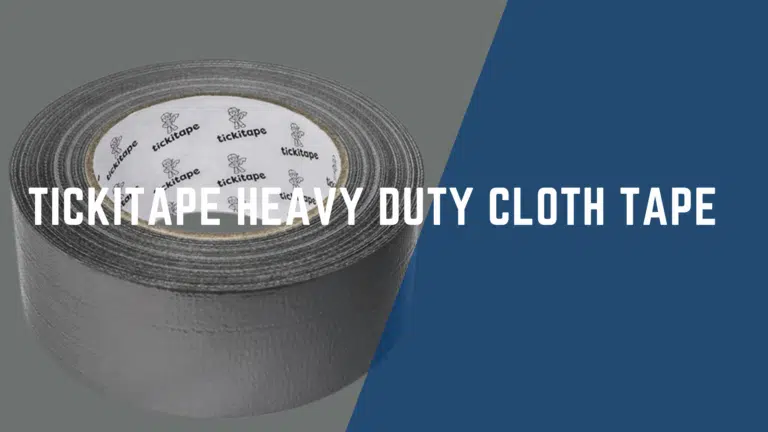
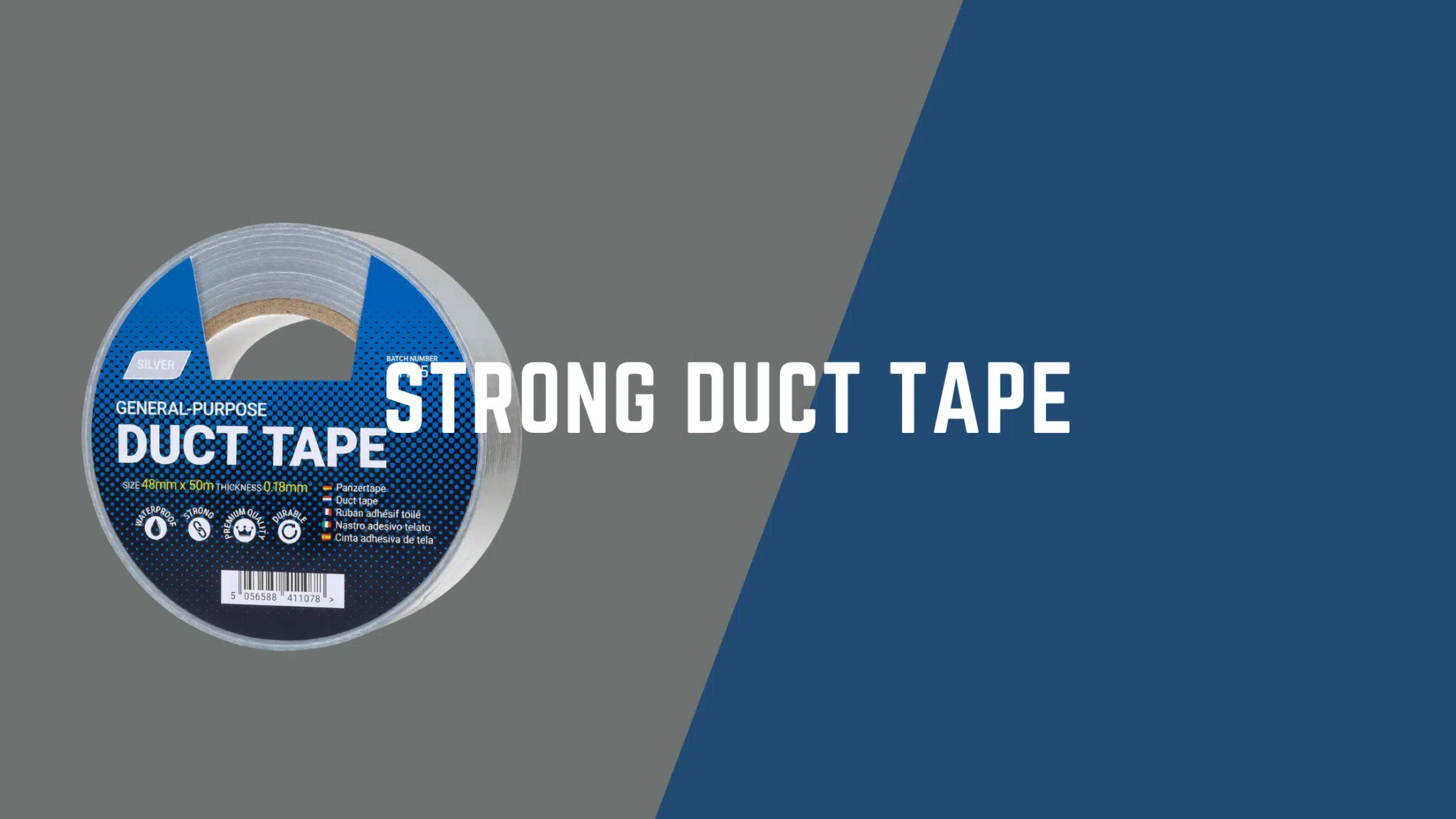
Most projects can benefit from the right duct tape, but understanding the importance of strength and size is vital for achieving optimal results. Whether you are making repairs, crafting, or engaging in DIY projects, selecting a tape that suits your specific needs ensures durability and effectiveness. You should consider the adhesive quality as well as the width of the tape, as these factors directly influence performance in different applications. Selecting the appropriate duct tape empowers you to tackle issues efficiently and with confidence.
Key Takeaways:
- The strength of duct tape is important for durability and effectiveness in various applications.
- Size options allow for tailored usage, accommodating different tasks and ensuring optimal performance.
- Understanding specific needs and environments helps in selecting the most suitable duct tape type.
Understanding Duct Tape Strength
The strength of duct tape is foundational for its effectiveness in all applications, from quick repairs to long-term fixes. Understanding the various strength levels ensures you select the right tape for your specific needs, whether you’re tackling household tasks, crafting, or industrial projects. High-strength options can handle heavy-duty applications while lighter varieties may suffice for simpler tasks, allowing you to match the tape’s capabilities with your project’s demands.
Types of Duct Tape Strength
Different types of duct tape strength are available to suit varying requirements. You can find tape that offers light duty for temporary fixes, medium duty for general purposes, and heavy duty for demanding applications.
- Light duty for minor repairs
- Medium duty for household tasks
- Heavy duty for industrial usage
- Water-resistant options for external work
- High-temperature varieties for specific applications
After identifying your requirements, you can choose the appropriate type of duct tape for your task.
| Type | Strength Rating |
| Light Duty | Up to 18 pounds |
| Medium Duty | Up to 30 pounds |
| Heavy Duty | Up to 60 pounds |
| Water-Resistant | Varies, generally strong |
| High-Temperature | Resistant to thermal extremes |
Factors Affecting Adhesive Strength
Several factors influence the adhesive strength of duct tape, which is imperative for ensuring its reliability. These include the surface texture, material compatibility, temperature, and environmental conditions. The right adhesive will provide a strong bond, keeping your projects secure and functional over time.
- Surface texture impacts adhesion
- Material compatibility determines stickiness
- Temperature affects bond strength
- Environmental conditions can weaken tape
- Pressure applied during application matters
The appropriate surface and environment play significant roles in achieving optimal adhesive strength. Ensuring that you consider these factors can help you select the most effective duct tape for your needs.
- Surface preparation improves adhesion
- Humidity levels impact tape effectiveness
- Application pressure enhances bond
- Temperature stability is important
- Durability against wear enhances longevity
The considerations outlined here are vital for ensuring that you acquire duct tape with the desired adhesive strength tailored to your specific tasks.
Size Matters: Width and Length
With respect to duct tape, selecting the right size can significantly influence your project’s success. The width and length of the tape determine not only its applicability but also its effectiveness in achieving a strong bond, whether you’re repairing household items or tackling a DIY project. Choosing a width that aligns with your specific needs will ensure more efficient use and better results.
Choosing the Right Width for Your Needs
Your choice of width depends on the task at hand; narrower tapes are suitable for intricate applications, while wider tapes provide a stronger hold for larger repairs. For instance, a 48mm wide tape is ideal for bonding large surfaces or heavy-duty tasks, whereas a 25mm width works well for small repairs and detailed work, allowing for greater precision.
Understanding Roll Length and its Importance
Roll length directly affects your project’s efficiency and cost-effectiveness. Duct tape typically comes in various lengths, ranging from 10 metres to 50 metres or more, so selecting the appropriate roll length can prevent frequent replacements during extensive projects.
When assessing roll length, consider the scale of your tasks. If you’re tackling multiple repairs or larger projects, opting for longer rolls can save you both time and money. A 50-metre roll, for example, is more economical for ongoing tasks than repeatedly purchasing smaller rolls. Additionally, it reduces waste as you can cut the exact lengths needed without needing to stop and replace the tape frequently. Thus, understanding your requirements helps you select a length that optimises your workflow and minimizes interruptions.
Applications of Duct Tape
Duct tape has an impressive range of applications that cater to various needs, from quick fixes at home to robust solutions in industrial settings. Its versatility and durability mean it can handle everything from temporary repairs to long-lasting projects, making it an imperative tool across different environments. Understanding where and how to use duct tape effectively can significantly enhance your efficiency and the quality of your work.
Home Repairs and DIY Projects
In home repairs and DIY projects, duct tape excels in providing quick, temporary solutions for a multitude of tasks. Whether you are fixing a broken garden hose, securing loose floorboards, or patching up a tear in furniture, its strong adhesive properties offer reliable support. Many DIY enthusiasts appreciate its ability to blend functionality with ease of use, enabling you to tackle household issues without the need for extensive expertise.
Industrial and Professional Uses
For industrial and professional settings, duct tape is integral for tasks that require superior strength and adherence. It’s commonly used in construction, event staging, and automotive repair, where durability is paramount. Furthermore, its resilience against moisture and temperature fluctuations makes it perfect for environments where traditional adhesives may fail.
In industrial contexts, duct tape often plays a pivotal role due to its ability to withstand heavy use and extreme conditions. For instance, in construction sites, professionals might employ heavy-duty duct tape to secure insulation materials and safely bundle items, preventing accidents. Moreover, its usage extends to management in logistics, where it can efficiently hold down cords or secure packaging, demonstrating indispensable versatility. An example includes the automotive industry, where duct tape is frequently used to temporarily hold components together for testing purposes, showcasing its ability to provide immediate solutions under pressure.
Comparing Brands and Quality
| Brand | Features |
|---|---|
| Gorilla Tape | High tensile strength and moisture resistance. |
| Duck Brand | Versatile with a wide range of colours and patterns. |
| 3M | Professional-grade options available for demanding applications. |
Top Brands in the Market
When opting for duct tape, look to brands like Gorilla, Duck, and 3M for their reputation in delivering exceptional quality. Each of these brands offers unique features tailored to different needs, from high strength and durability to aesthetic variety. You’ll find that choosing a reputable brand often correlates with superior performance and satisfaction.
How to Assess Quality
To evaluate duct tape quality, observe its tensile strength, adhesion properties, and the material composition. Conduct tests such as the “pull test” to measure how well it adheres under pressure. Additionally, check user reviews and product ratings to gauge reliability and performance in real-world scenarios.
Consider the specifics when assessing the quality of duct tape. Review the technical specifications, such as adhesion strength, which is often measured in ounces per inch, and check the backing material, as a durable fabric or polyethylene surface typically signifies a stronger product. Pay attention to user feedback that highlights performance in demanding conditions, as this can illuminate how well a tape withstands various environmental factors. Prioritising these aspects ensures you select a tape that meets the expectations of your specific project.
Safety and Environmental Considerations
Choosing the right duct tape goes beyond strength and size; safety and environmental factors must be considered. Certain adhesives can emit harmful chemicals, particularly when exposed to heat or UV light, while non-biodegradable materials contribute to landfill issues. It’s crucial to select tapes that meet safety standards to ensure a secure application without compromising your health or the environment.
Safe Usage Practices
When using duct tape, ensure you’re in a well-ventilated area to avoid inhaling any toxic fumes. Wear gloves to protect your skin, especially if you have sensitive skin or plan to use the tape over extended periods. Proper storage away from direct sunlight and heat will prolong the tape’s efficacy and safety.
Eco-Friendly Options Available
Eco-friendly duct tape options are becoming increasingly popular, with brands offering products made from biodegradable materials and natural adhesives. These alternatives not only reduce environmental impact but also ensure a safer choice for indoor use.
Several brands now produce duct tapes made from recycled materials, with some using natural rubber adhesives that decompose more readily than traditional options. For instance, duct tape made from paper or jute can break down within years, compared to the decades it takes for conventional synthetic tapes. These eco-friendly choices offer similar strength and versatility while aligning with sustainable practices, making them ideal for environmentally conscious consumers. By opting for such products, you contribute to reducing plastic waste and promoting a healthier planet.
Final Words
Conclusively, selecting the appropriate duct tape entails understanding both its strength and size, as these factors directly influence its effectiveness for your specific tasks. You should prioritise adhesive durability and the tape’s width, ensuring it meets the demands of your projects, whether for repairs or creative applications. Ultimately, making an informed choice will enhance your results and streamline your efforts, providing you with a reliable tool that stands up to both everyday use and challenging conditions.
FAQ
Q: What factors should I consider when selecting duct tape?
A: When dicking out duct tape, consider its adhesive strength, thickness, and width. Different applications may require varying levels of stickiness and durability. Assess the surface you’ll apply it on and choose a size that suits your needs.
Q: How does the strength of duct tape affect its usability?
A: The strength of duct tape determines how well it can hold up under weight or stress. Stronger tapes are vital for heavy-duty repairs or tasks that require long-lasting adhesion, while lighter tapes may suffice for temporary or lighter applications.
Q: Is there a difference between indoor and outdoor duct tape?
A: Yes, indoor duct tapes are typically not designed to withstand extreme temperatures or moisture. Outdoor duct tapes are made with materials that resist UV rays and weather elements, making them suitable for exterior applications.
Q: What width of duct tape should I choose for different tasks?
A: The width of duct tape impacts its coverage and bonding. A wider tape is better for larger areas and heavy-duty tasks, while narrower tape can be more precise for intricate repairs or detailed work.
Q: Can duct tape be used for long-term solutions?
A: While duct tape can be used for temporary fixes, its longevity depends on the conditions it is exposed to. For long-term solutions, choose a high-strength tape designed for endurance in specific environments, ensuring appropriate surface preparation.