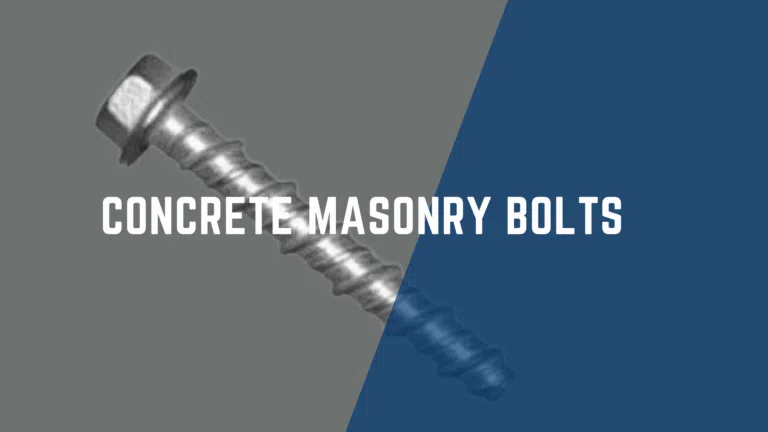

Just like selecting the perfect foundation for your project, choosing the right anchor bolts for concrete and brickwork is important for ensuring stability and safety. You might be surprised by the variety available, and understanding the different types can significantly impact the longevity of your structure. This guide will help you navigate the choices effectively, ensuring that you select bolts that suit your specific needs while providing reliable support for your applications.
Key Takeaways:
- Identify the load requirements to select appropriate anchor bolt size and type.
- Consider the material properties of the concrete or brickwork to ensure compatibility.
- Evaluate environmental factors such as moisture and corrosion risk to choose the right coating and design.
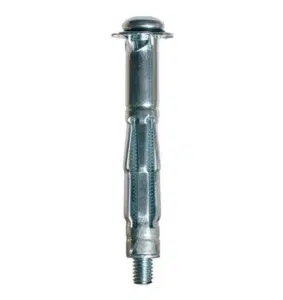 Understanding Anchor Bolts
Anchor bolts play a vital role in securing structures to concrete or brickwork, ensuring stability and safety in various applications. These bolts provide the necessary strength to withstand different loads, making the selection of the correct type vital for your project’s success.
Types of Anchor Bolts
There are several types of anchor bolts, each designed for specific applications and environments.
- Expansion Bolts – often used in concrete.
- Lag Shields – suitable for masonry walls.
- Hook Bolts – beneficial for suspended applications.
- Through Bolts – used where high strength is required.
- Wedge Anchors – effective in heavy load situations.
The right choice directly influences structural integrity and safety.
| Type | Application |
| Expansion Bolts | Concrete structures |
| Lag Shields | Masonry walls |
| Hook Bolts | Suspended structures |
| Through Bolts | High-strength needs |
| Wedge Anchors | Heavy loads |
Material Considerations
You should assess the material of anchor bolts based on the environment and the specific requirements of your project. The choice of material impacts strength, corrosion resistance, and compatibility with the base material.
Common materials for anchor bolts include steel, stainless steel, and galvanised steel. Steel provides excellent strength but may corrode without protection. Stainless steel resists corrosion, making it ideal for coastal areas or wet environments. Galvanised steel offers a cost-effective solution with moderate corrosion resistance. Proper material selection ensures longevity and reduces maintenance costs down the line.
Factors to Consider
Selecting the appropriate anchor bolts requires careful thought across several factors. Assessing your project’s specific needs will ensure that you achieve the best results. Key considerations include:
- Load requirements
- Environmental conditions
- Material compatibility
- Installation method
- Regulatory compliance
Recognising these elements will guide you through the selection process, ultimately enhancing the durability and effectiveness of your installation.
Load Requirements
Your project’s load requirements significantly influence the anchor bolts you select. Each application has specific weight loads and forces that need consideration, such as tension, shear, or combined loads. Accurate calculations are crucial to ensure safety and prevent structural failure. Consulting with a structural engineer may also help you determine the right specifications for your needs.
Environmental Conditions
Environmental conditions can severely impact the performance of your chosen anchor bolts. Factors such as moisture, temperature fluctuations, and exposure to chemicals will dictate the selection of materials, coatings, and designs to ensure longevity.
For instance, if you are working in a coastal area, the risk of corrosion from saltwater necessitates the use of galvanised or stainless steel anchor bolts. Conversely, in extreme temperature zones, you may need materials that can withstand thermal expansion and contraction without losing strength. Ensure that the selected bolts are rated for the specific environmental conditions they will face to guarantee performance over time.
 Tips for Selecting Anchor Bolts
 Tips for Selecting Anchor Bolts
Choosing the right anchor bolts can significantly impact the stability and durability of your construction project. Follow these tips to ensure you select the best option:
- Assess the load requirements for your project.
- Determine the environmental conditions your anchor bolts will face.
- Choose appropriate materials based on compatibility with concrete or brickwork.
- Consider the installation method you will use.
- Verify that the size aligns with standards for the intended application.
After you consider these factors, you’ll be better positioned to make an informed choice.
Correct Sizing
Selecting the correct size of anchor bolts is vital for ensuring optimal load-bearing capacity and structural integrity. You should review the manufacturer’s guidelines, which specify dimensions based on load types and environmental conditions. Using bolts that are too small may lead to failure under stress, while excessively large bolts can complicate installation and aesthetics.
Compatibility with Substrate
Ensure your chosen anchor bolts are compatible with the substrate materials. Different materials, like concrete and brick, react uniquely to various anchors. For example, a specific type of bolt might work well in concrete but may not provide sufficient grip in softer brick or block materials. Always consult manufacturer specifications for best practices tailored to your substrate type.
Examining compatibility with substrate materials could involve understanding the compressive strength of concrete or the tensile strength of brick. For instance, the strength and condition of the substrate should dictate the type and length of anchor bolts you select. Moreover, consider factors like moisture exposure, which can affect material choices. Ultimately, the right anchor bolts will ensure a secure and long-lasting installation, safeguarding against structural failures.
Installation Guidelines
Following appropriate installation guidelines ensures the effectiveness of anchor bolts in both concrete and brickwork. Accurate preparation, along with the employment of the right techniques, leads to optimal performance and longevity of your fixtures. Neglecting these steps may result in structural failures or costly repairs down the line.
Preparation of the Base
Before installing anchor bolts, ensure the base surface is clean, dry, and free of debris. Removing any contaminants like dust, grease, or loose particles is imperative for achieving a strong bond. For concrete, consider using a wire brush, while brickwork may require gentle scraping to adequately prepare the surface.
Proper Installation Techniques
Utilising the correct installation techniques can dramatically improve the strength and reliability of anchor bolts. Begin by drilling holes that match the specified diameter and depth for your selected bolts, ensuring they align properly with your intended anchoring points. For threaded bolts, insert with appropriate torque as per manufacturer’s specifications to prevent failure under load.
After drilling, clear out any debris from the holes with compressed air or a vacuum. Insert the anchor bolt and secure it using a torque wrench, as overtightening can lead to bolt failure, while under-tightening may compromise stability. Depending on the application, consider using adhesives or chemical anchors for added support in high-stress situations. Following these precise steps maximises the effectiveness of your anchor bolts and extends the life of your installation.
Maintenance and Inspection
Regular maintenance and inspection of anchor bolts are vital to ensure their long-term performance and safety in structural applications. Periodic assessments can help detect any degradation or issues before they compromise the integrity of your construction. Establishing a routine schedule for inspections allows you to address any necessary repairs promptly.
Regular Checks
Conducting regular checks on anchor bolts involves visual inspections for signs of corrosion, displacement, or fatigue. Aim to perform these checks at least bi-annually, particularly in environments exposed to harsh weather conditions. Close attention to the bolt heads, nuts, and surrounding concrete or brickwork is imperative.
Signs of Wear and Failure
Be vigilant for signs of wear and failure, such as visible rust or corrosion, loose connections, or unexpected movement within the anchor points. Cracks in the surrounding material or misalignment can also signal underlying issues that warrant immediate attention to prevent further damage.
Specific indicators of anchor bolt wear might include significant rust scaling that shows the protective coating wearing off, which compromises structural integrity. If you observe any toilet bolts that have shifted from their original position, the anchorage may be failing. Additionally, check for any hairline cracks around the bolts, which, if they expand, can lead to catastrophic failure. For growth in any of these warning signs, immediate remediation or replacement of the affected bolts becomes imperative to maintain safety in your structure.
Common Mistakes to Avoid
Avoiding common pitfalls can greatly enhance the success of your anchoring efforts. Neglecting details such as bolt type, spacing, and environmental considerations can lead to structural failure and safety hazards. Always be aware of the specific requirements of your project to ensure long-lasting results.
Incorrect Bolt Selection
Choosing the wrong type of bolt can jeopardise the integrity of your installation. Factors such as load capacity, material compatibility, and corrosion resistance must align with your project’s demands. For example, using a standard steel bolt in a highly corrosive environment may lead to rapid deterioration, threatening the structure’s safety.
Neglecting Environmental Factors
Failing to account for environmental factors can compromise the performance of anchor bolts. Weather conditions, humidity levels, and exposure to chemicals must all be considered when selecting your bolts. For instance, marine environments require stainless steel or coated bolts to withstand saltwater corrosion.
- Consider weather conditions such as temperature and moisture.
- Assess potential corrosive elements present in the environment.
- Utilise appropriate coatings or materials to enhance durability.
- Evaluate load requirements in varying conditions.
Environmental factors play a significant role in the longevity and effectiveness of your anchor bolts. Ignoring these can lead to premature failure, as certain environments might accelerate corrosion or weaken materials over time. For example, a bolt exposed to chemicals may corrode much faster than anticipated, thereby endangering the entire structure.
- Identify chemical exposures that may affect bolt performance.
- Determine temperature fluctuations that could impact materials.
- Consider moisture levels and their effects on installation integrity.
- Factor in local climate conditions during selection.
Final Words
Conclusively, when selecting the right anchor bolts for concrete and brickwork, you must consider factors such as load capacity, environmental conditions, and the specific material you are working with. Ensure you choose the appropriate length and diameter for your application and verify compatibility with your chosen fixtures. By thoroughly assessing your project requirements and consulting technical guidelines, you can make informed decisions that will secure your installations effectively and safely.
FAQ
Q: What types of anchor bolts are suitable for concrete?
A: There are several types of anchor bolts suitable for concrete, including wedge anchors, sleeve anchors, and drop-in anchors. Wedge anchors provide strong holding power for heavier loads, sleeve anchors are versatile for various applications, and drop-in anchors are ideal for flush-mounted installations.
Q: How do I determine the size of the anchor bolt needed?
A: The size of the anchor bolt required depends on the load it must support, the type of material being anchored to, and the thickness of the material. Generally, the manufacturer’s specifications and load ratings should guide the selection process.
Q: Can I use the same anchor bolts for both concrete and brickwork?
A: Not necessarily. While some anchor bolts can be used in both materials, it is important to choose bolts specifically designed for each application. Concrete anchor bolts often have different designs and holding mechanisms compared to those suited for brickwork due to the differing structural properties.
Q: What factors should I consider when selecting anchor bolts for outdoor use?
A: When choosing anchor bolts for outdoor use, consider factors like corrosion resistance, the type of environmental exposure (e.g. moisture, chemicals), and temperature variations. Stainless steel or galvanised options are typically more suitable for resisting corrosion in outdoor conditions.
Q: How deep should the anchor bolts be embedded in concrete?
A: The depth of embedment for anchor bolts in concrete depends on the specific type of anchor used and the load requirements. Typically, embedment depth should be at least 10 times the diameter of the bolt for optimal strength, but always refer to the manufacturer’s guidelines for specific recommendations.