
Universal wall plugs are crucial for ensuring a secure and stable fixture in your walls, no matter the surface. In this guide, you will learn how to choose the right wall plugs for your needs and how to effectively use BI-Fix plugs to achieve optimal results. With the right knowledge, you can enhance your DIY projects and ensure that your fittings are secure and lasting.
Key Takeaways:
- Select the appropriate size of universal wall plug to match the screw diameter and weight of the item being hung.
- Ensure the wall material (brick, plasterboard, etc.) is compatible with the chosen wall plug type for optimal performance.
- BI-Fix wall plugs can be used in various materials and provide a secure hold, making them a versatile choice for different applications.
 Understanding Universal Wall Plugs
 Understanding Universal Wall Plugs
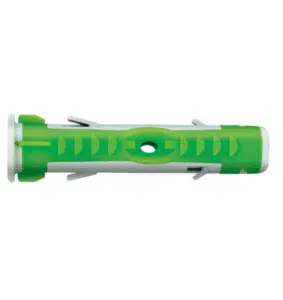
Knowing how universal wall plugs work is vital for any DIY project or home improvement task. These simple yet effective devices secure fixtures and appliances to various wall types, ensuring stability and safety. Typically made from plastic or metal, they cater to different materials, allowing you to anchor screws securely into the wall, regardless of whether it’s plaster, brick, or concrete.
What are Universal Wall Plugs?
Universal wall plugs are fasteners designed to expand within the wall when a screw is inserted, offering a secure hold. Their versatility allows them to be used in various wall materials, adapting to differing weights and sizes of objects. Often colour-coded, these plugs indicate their size and load-bearing capacity, making it easier for you to select the appropriate one for your project.
Benefits of Using Universal Wall Plugs
Using universal wall plugs offers numerous advantages, including enhanced load distribution, compatibility with various materials, and ease of installation. They prevent damage to walls while providing a strong, reliable anchor point, making your installations safer and more secure.
Furthermore, universal wall plugs minimise the risk of fixture failure, which can lead to accidents or damage. Their availability in different sizes accommodates a wide range of screws, ensuring you can hang items of various weights with confidence. This flexibility not only simplifies your home improvement endeavours but also enhances the longevity of your mounts. For instance, using the right size plug prevents wall degradation, which can occur when attempting to mount heavy objects with inadequate support. Choosing BI-Fix plugs can further guarantee a robust solution tailored to your project’s needs.
Factors to Consider When Choosing Wall Plugs
Your choice of wall plugs can significantly impact the success of your fastening tasks. Consider the following factors:
- Size of the screw
- Weight of the item being hung
- Type of wall material
- Load capacity
- Environmental conditions
Assume that selecting the right wall plug based on these factors can enhance stability and safety.
Load Capacity
Understanding load capacity is crucial; it determines how much weight the wall plug can support. Each type has a specific load rating, so check manufacturer specifications for guidance. For example, some wall plugs may hold up to 20 kg, while others support 50 kg or more, depending on their design and materials used.
Wall Material Compatibility
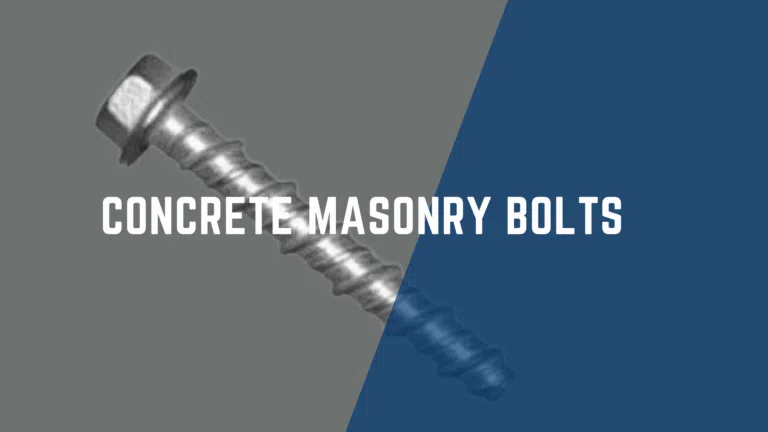
Consider the type of wall material when selecting your wall plugs. Different materials – brick, plaster, or drywall – require different plugs for optimal performance. For instance, plug types suited for masonry will not function effectively in drywall, as the holding power varies significantly.
To ensure compatibility, assess your wall type before purchasing wall plugs. For masonry, opt for expansion plugs that provide a strong grip within the concrete or brick. In contrast, for plasterboard, lightweight toggle bolts or self-drilling plugs may be the best choice. Adapting your choice to the wall material guarantees that the plug will anchor securely and withstand the load, minimising the risk of failure.
How to Select the Right Wall Plug
Selecting the right wall plug involves understanding both your wall type and the load requirements of your project. Assess the material of your wall—be it brick, concrete, or plasterboard—and consider the weight of the item you intend to hang. This will guide you in choosing a plug that provides adequate support and ensures a secure fit.
Assessing Your Project Needs
Begin by evaluating the specific requirements of your project, including the weight and size of the items to be mounted. For heavier objects, such as shelving units or large mirrors, you may need plugs designed for high load-bearing capacity. Additionally, consider the environmental factors, such as moisture or vibration, that could affect the plug’s performance over time.
Matching Plugs to Screws
 Matching Plugs to Screws
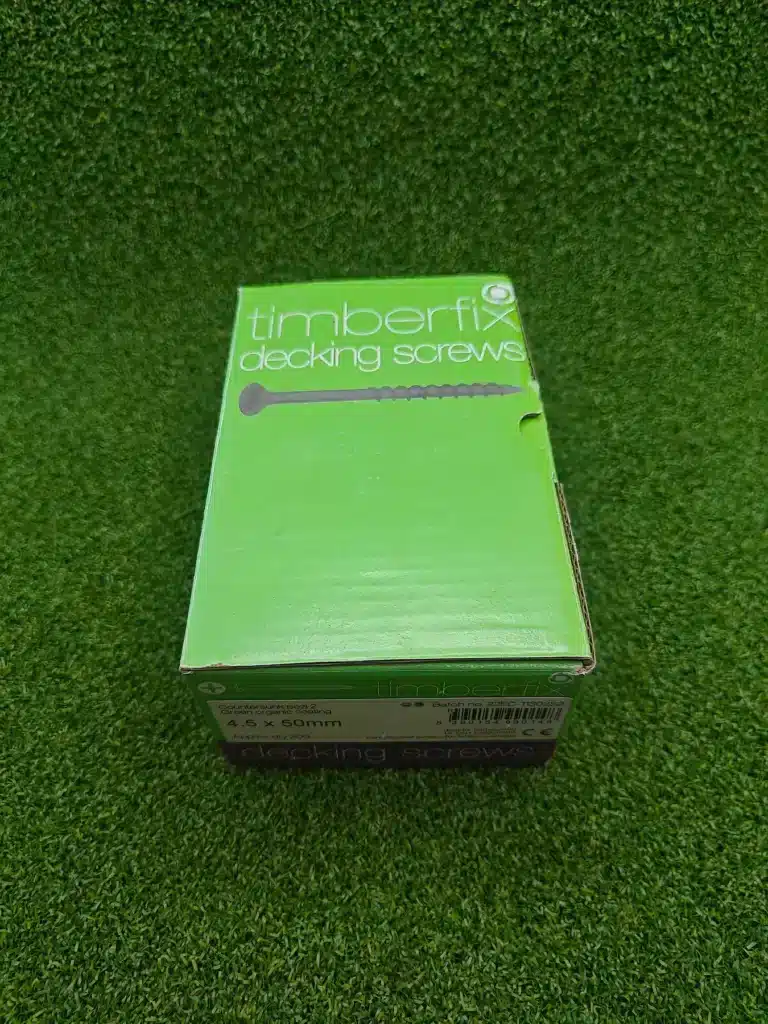
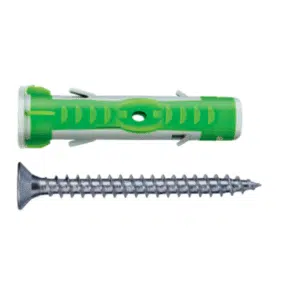
Matching your screws to the appropriate plugs ensures optimal performance. Select a wall plug designed to accommodate the screw size, which is typically indicated on the packaging. It is advisable to use screws that are slightly longer than the depth of the plug to ensure a snug fit and maximum holding strength.
To ensure a perfect match, check the manufacturer’s specifications for both wall plugs and screws. Typically, wall plugs are labelled with their recommended screw sizes; for instance, a 6mm plug generally pairs well with a screw of a similar diameter. This correlation between screw and plug size is vital to achieving adequate grip within the wall, enhancing the overall stability of your mounted objects. If a tight fit isn’t achieved, you risk the screw pulling out or failing altogether, leading to potential damage or safety hazards.
Tips for Proper Installation
To ensure a secure and robust installation of your BI-Fix universal wall plugs, it’s necessary to adhere to a few key practices. Start by drilling a clean, straight hole in the correct size for the plug and avoid over-tightening the screws to prevent loosening. Keep the mounting surface clear of dust and debris for better adhesion. Inspect the wall construction to determine if it can handle the weight of the fixture.
- Check the weight capacity of your wall plugs.
- Use the correct drill bit size.
- Ensure the wall surface is clean and even.
- Avoid overtightening screws.
- Test the plug before hanging items.
Recognising the importance of these steps will ensure safety and longevity for your mounted items.
Tools and Equipment Needed
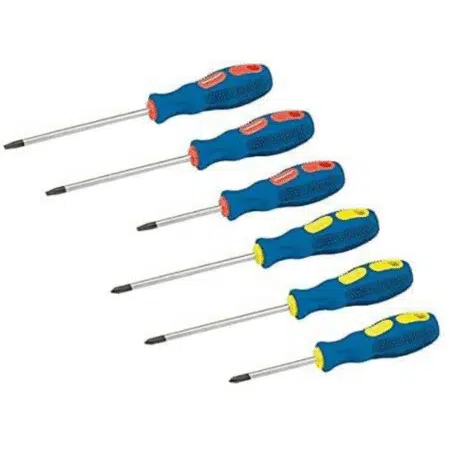
Before begining on your installation project, ensure you have the necessary tools at hand. This includes a power drill, the appropriate drill bits, a screwdriver, a tape measure, and a level for precision. Additionally, having a dust brush or vacuum can assist in maintaining a clean work area.
Step-by-Step Installation Guide
Follow this structured approach to install your BI-Fix wall plugs effectively. Start by marking the desired position on the wall, then drill a hole using the correct diameter drill bit for your selected plug. Insert the plug and gently tap it into the wall until flush with the surface. Position your fixture and align the screw with the plug, tightening until secure.
Step-by-Step Installation Guide
| Step | Description |
| 1 | Mark the position for drilling. |
| 2 | Drill a hole in the wall. |
| 3 | Insert the wall plug. |
| 4 | Align the fixture with the plug. |
| 5 | Tighten the screw until secure. |
This guide ensures you systematically approach the installation process. By marking your drill points accurately, you can reduce errors, while using the proper drill bit size prevents damage to your wall. Once the wall plug is set, aligning your fixture correctly secures it in place, giving you confidence in the strength of the installation. Proper technique guarantees longevity and reliability in holding your items securely.
More Installation Insights
| Tip | Details |
| Wall Type Check | Assess whether you are drilling into plaster, masonry, or another surface type, as this impacts the size of the drill bit and plug. |
| Weight Limitation | Different wall plugs support varying weights. Ensure you’re within the limits specified for your chosen plug. |
| Level Fixture | Use a spirit level to assure your fixture is straight, enhancing both aesthetic and functional integrity. |
Troubleshooting Common Issues
If you experience difficulties with your wall plugs, addressing these concerns promptly can prevent further complications. Common problems include loose fittings, unsupported installations, or damage to your walls. Recognising the signs early on allows you to make necessary adjustments and ensures that your fixtures remain secure and functional.
Fixing Loose or Unsupported Plugs
A loose or unsupported wall plug can compromise the stability of your hanging items. To fix this, first remove the plug and check the hole for wear. If it’s too large, you may need to refill it with wall filler and redrill. Alternatively, use a larger wall plug appropriate for the existing hole size to ensure a tight fit.
Avoiding Wall Damage During Installation
Selecting the correct drill bit size is necessary to prevent wall damage during installation. Ensure that your bit matches the plug’s diameter, as this minimises the risk of cracking or chipping the wall surface. You should also apply gentle pressure to the drill and avoid excessive force, allowing the drill bit to cut through the wall rather than wrenching the plug into place.
Utilising a depth stop on your drill can prevent over-drilling, thus protecting your walls from unnecessary damage. Additionally, start with a small pilot hole to guide the full drill bit, ensuring accuracy and reducing stress on the surrounding material. Ensure you’re working on a sturdy wall; tapping lightly around potential weak areas before proceeding can help avoid structural issues.
Maintenance and Care for Long-lasting Use
To ensure your universal wall plugs remain effective over time, regular maintenance is imperative. This involves regularly checking for signs of wear or damage and ensuring that the items they support remain securely anchored. Proper maintenance not only extends the life of the wall plugs but also enhances the safety of your fixtures.
Regular Inspections
Conduct inspections of your wall plugs at least twice a year. Look for any signs of cracking, loosening, or corrosion, especially in high-humidity areas. If you notice any abnormalities, it may indicate that the plugs are no longer reliable and should be assessed further.
When to Replace Wall Plugs
Wall plugs should be replaced if they show signs of deterioration, have been subjected to excessive stress, or if the fixture they support has become loose. Additionally, if you’ve changed the type of wall or the load on the plug increases significantly, it’s wise to replace them to prevent failures.
Pay attention to specific indicators for replacement. For instance, a wall plug that appears to wobble when you attempt to tighten the screw may indicate that the integrity of the plug has been compromised. Similarly, if you previously used lightweight items but are now hanging heavier frames or shelves, substituting the old plugs for new ones designed for greater load-bearing capacity is advisable. Regular evaluations can save you from accidents and damage down the line.
To wrap up
To wrap up, selecting the right universal wall plugs, such as BI-Fix, involves considering the weight and type of your fixtures, ensuring compatibility with your wall material, and following the manufacturer’s instructions for installation. You should also pay attention to adequate drilling depth for optimal performance. By understanding these factors, you can effectively use universal wall plugs to secure items safely and reliably, providing peace of mind in your home or workplace. Additionally, utilizing bifix universal wall plugs benefits homeowners by offering a secure hold that minimizes the risk of damage to walls over time. Their design accommodates various wall materials, which enhances versatility and ease of installation in different settings. By choosing the right universal wall plugs, you ensure that your installations remain firm and dependable for years to come.
FAQ
Q: What are universal wall plugs and when should I use them?
A: Universal wall plugs are versatile fasteners designed to secure screws in various wall types, including brick, plaster, and drywall. They should be used when hanging objects on walls where the material may not provide sufficient grip for a screw alone.
Q: How do I choose the correct size of wall plug for my project?
A: Selecting the right size involves considering the screw diameter and length, as well as the weight of the item being hung. Generally, the wall plug should be slightly larger than the screw to ensure a proper fit. Always refer to the packaging for specific guidelines.
Q: What materials are BI-Fix universal wall plugs made from?
A: BI-Fix universal wall plugs are typically made from high-quality plastic or nylon, which offers durability and resistance to wear. These materials ensure effective performance across various wall types while providing a secure hold.
Q: How do I install a universal wall plug correctly?
A: To install a universal wall plug, first drill a hole into the wall that matches the size of the wall plug. Insert the wall plug into the hole until it is flush with the wall surface. Then, screw in your desired screw, tightening it until secure without over-tightening.
Q: Can I reuse universal wall plugs after removing them?
A: Reusing universal wall plugs is not recommended. Once a wall plug has been installed and removed, it may lose its grip and structural integrity, which can lead to a weak hold in subsequent use. It is advisable to use a new wall plug for each installation.