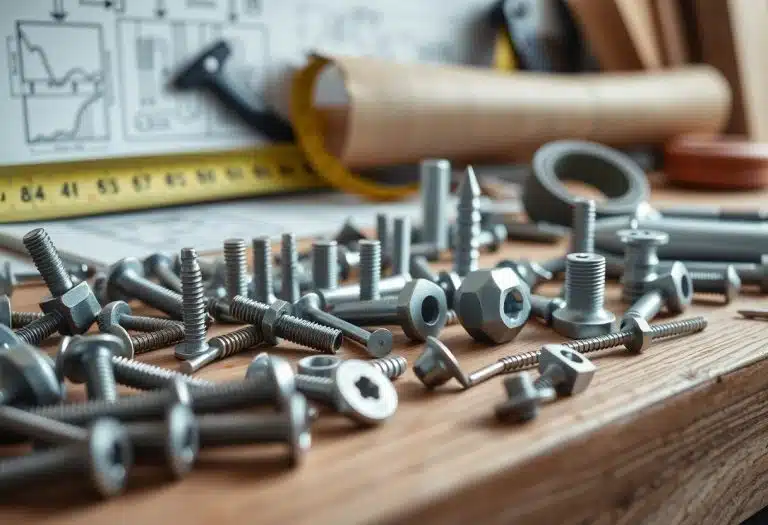
You will find that using stainless steel fixings outdoors offers unparalleled advantages for your projects. These fixings are highly resistant to corrosion and rust, ensuring a longer lifespan and reducing the need for frequent replacements. Their durability makes them ideal for harsh weather conditions, providing peace of mind that your structures remain secure. Additionally, stainless steel complements various materials aesthetically, enhancing the overall look of your outdoor spaces. By choosing stainless steel, you are investing in quality and reliability for your outdoor applications.
Key Takeaways:
- Stainless steel fixings resist corrosion, ensuring longevity and durability in outdoor conditions.
- They maintain structural integrity, reducing the risk of failure in various environments.
- Stainless steel is aesthetically pleasing, adding a polished finish to outdoor projects.
 Overview of Stainless Steel
 Overview of Stainless Steel
Stainless steel is an alloy composed primarily of iron, with a minimum of 10.5% chromium content, which offers remarkable resistance to corrosion and staining. It is a popular material choice for outdoor applications due to its durability and versatility. This alloy can be found in various grades, each tailored for specific environmental challenges, making it an ideal solution for a variety of outdoor projects.
What is Stainless Steel?
Stainless steel is a metal that combines iron with chromium and other elements, enhancing its properties for various applications. This unique composition not only improves resistance to rust and corrosion but also ensures the material retains its strength even under extreme conditions. You will find stainless steel in structures, appliances, and fixings, prominently featured in outdoor settings.
Properties Relevant to Outdoor Use
Outdoor environments expose materials to factors like moisture, temperature fluctuations, and UV radiation. Stainless steel’s high chromium content ensures exceptional corrosion resistance, while its strength withstands physical stresses. It’s also low-maintenance, requiring minimal effort to keep it looking its best, making it perfect for outdoor fixings.
Stainless steel’s resistance to rust and oxidation stems from the formation of a protective chromium oxide layer on its surface, which self-repairs when scratched or damaged. This property becomes particularly advantageous in coastal areas where salt spray can corrode other materials rapidly. Moreover, stainless steel maintains its structural integrity despite temperature changes, making it suitable for environments that experience extreme weather conditions. With its durability and aesthetic appeal, stainless steel is the go-to choice for both functional and decorative outdoor applications.
Corrosion Resistance
Utilising stainless steel fixings outdoors provides exceptional corrosion resistance, ensuring they can withstand harsh environmental conditions. Unlike traditional metals, the protective layer of chromium oxide formed on stainless steel is highly resilient, preventing rust and degradation. This durability is particularly vital in settings exposed to moisture, salts, and varying temperatures, resulting in a longer lifespan for your installations.
Pitting and Crevice Corrosion
Pitting and crevice corrosion are specific forms of corrosion that can affect stainless steel, especially in chloride-rich environments. These issues occur when localized corrosion attacks occur, creating small pits or cracks on the surface. Regular maintenance and choosing the right type of stainless steel can mitigate these risks, enhancing the overall durability of your fixings.
Environmental Factors Affecting Longevity
Your stainless steel fixings are subject to various environmental factors that influence their longevity, including humidity, temperature fluctuations, and exposure to chemicals. Regions with high salt content or industrial pollution can accelerate corrosion processes, while consistently high temperatures may contribute to material fatigue. Selecting an appropriate grade of stainless steel can significantly improve resistance to these environmental challenges.
- Environmental factors
- Longevity
- Humidity and temperature
Factors such as pollution levels, exposure to salt, and presence of chemicals play a vital role in your stainless steel fixings’ durability. For instance, coastal areas with high salt presence require higher-grade alloys to prevent accelerated degradation. Assume that by understanding the specific conditions in your local area, you can choose the best materials to protect your outdoor installations.
- Pollution levels
- Coastal exposure
- Material selection
Mechanical Strength
Stainless steel fixings exhibit exceptional mechanical strength, making them ideal for outdoor applications where they face various stresses. With a tensile strength significantly higher than traditional fixings, they effectively support structures that endure dynamic loads, including wind, snow, and human impact. The robustness of stainless steel means that you can trust your fixings to maintain structural integrity over time, even under challenging conditions.
Load-Bearing Capacity
The load-bearing capacity of stainless steel fixings is significantly enhanced due to their high tensile and yield strength. For instance, grade 304 stainless steel offers a tensile strength of around 520 MPa, ensuring that your fixings can support heavy loads without risk of deformation. This makes them suitable for applications such as securing outdoor furniture, canopies, and other heavy installations.
Impact Resistance
Impact resistance is a notable advantage of stainless steel fixings, allowing them to withstand sudden forces without failing. Their ductility and toughness mean that, unlike fragile materials, they are less prone to cracking or breaking when exposed to high-impact situations, such as falling debris or accidental collisions.
Consider the scenario where an outdoor fixture is subjected to a significant impact. Stainless steel fixings absorb and distribute the force effectively due to their inherent material properties. This level of impact resistance ensures that your installations remain secure and functional, minimising the need for costly repairs or replacements. Whether it’s in playgrounds, marine environments, or construction sites, the resilience of stainless steel under impacts can greatly contribute to safety and durability.
Aesthetic Appeal
 Aesthetic Appeal
Stainless steel fixings add a modern touch to any outdoor project, enhancing both functionality and visual appeal. Their polished surface and sleek design effortlessly blend with a variety of landscapes, making them a popular choice for homeowners and architects alike. By choosing stainless steel, you not only benefit from durability but also contribute to a sophisticated aesthetic that complements your outdoor spaces.
Visual Characteristics
The shiny, reflective qualities of stainless steel create a striking contrast against natural elements like wood, stone, and greenery. This contrast often draws the eye, adding depth and interest to your outdoor design. The material’s versatility means it can be finished in various ways—from brushed to mirror-polished—allowing you to customise its appearance to suit your style preferences.
Integration with Outdoor Design
Incorporating stainless steel fixings into your outdoor design promotes a harmonious balance between functionality and style. Their contemporary look complements modern architecture while also enhancing traditional aesthetics. Whether you’re building a deck, securing fencing, or assembling garden structures, stainless steel seamlessly integrates with various materials, elevating your overall design vision.
When you incorporate stainless steel fixings, consider the overall theme of your outdoor space. For contemporary designs, pairing stainless steel with concrete and glass can create a clean, minimalist look. In rustic settings, combining stainless steel with weathered wood or stone provides a strikingly modern contrast while still respecting the natural surroundings. Consequently, the right choice of fixings can either enhance a sleek ambience or inject a touch of modernity into traditional settings, showcasing your unique style while ensuring long-lasting durability.
Maintenance Requirements
Stainless steel fixings require minimal maintenance compared to other materials, making them an ideal choice for outdoor use. Regular inspections to check for any signs of corrosion or wear can enhance their lifespan significantly. If you notice any spots or stains, addressing them promptly can keep your fixings looking pristine.
Cleaning and Care
To maintain the appearance of your stainless steel fixings, clean them regularly with a mild detergent and water. A soft cloth or non-abrasive sponge will prevent scratches while ensuring a thorough wash. Avoid using harsh chemicals or abrasive materials, as these can degrade the finish and compromise the integrity of the steel over time.
 Durability Over Time
 Durability Over Time
Stainless steel fixings are designed to withstand the test of time, resisting rust and corrosion effectively. With proper maintenance, you can expect them to last for decades, even in harsh outdoor environments. This durability translates to less frequent replacements, making them a cost-effective long-term investment.
Historically, stainless steel fixings have shown resilience in extreme conditions, particularly in coastal areas where saltwater corrosion is a concern. Studies reveal that high-grade stainless steel, such as 316, can survive in such environments for 20 years or more without significant deterioration. This inherent strength and longevity make them a preferred choice among builders and homeowners alike, offering peace of mind that your outdoor fixtures will endure without frequent replacements.
Cost-Effectiveness
Using stainless steel fixings for your outdoor projects proves to be a cost-effective choice in the long run. Although the initial outlay may be higher than traditional materials, the durability and reduced maintenance requirements lead to significant savings over time. By investing in stainless steel fixings, you minimise the need for replacements and repairs, allowing you to allocate your budget towards other important aspects of your project.
Initial Investment vs. Longevity
The initial investment in stainless steel fixings is offset by their remarkable longevity. Typically, stainless steel can withstand the elements for many years while other materials may require frequent replacement due to rust and deterioration. This prolonged lifespan makes the upfront cost justifiable, as fewer replacements mean less expenditure over the years.
Value in Outdoor Applications
Stainless steel fixings offer exceptional value in outdoor applications due to their ability to withstand harsh conditions. From coastal environments with salty air to damp woods, these fixings resist corrosion and maintain structural integrity, ensuring your projects remain safe and functional. Their strength and durability allow them to support various outdoor structures, including decking and fencing, without compromise.
In practical terms, incorporating stainless steel fixings into your outdoor projects not only enhances safety but also contributes to the overall value of your property. For example, a deck built with stainless steel fixings will withstand seasonal weather changes far better than one using inferior materials, reducing the risk of costly repairs. In areas where environmental factors threaten longevity, such as seaside locations, stainless steel’s robust nature proves important, making it a wise investment that pays off over the years. You’ll find peace of mind in knowing that your outdoor fixtures remain secure, attractive, and resilient against the elements.
To wrap up
To wrap up, utilising stainless steel fixings for your outdoor projects offers significant advantages. Their resistance to corrosion ensures durability in harsh weather conditions, maintaining structural integrity for years. This choice not only enhances the lifespan of your fixtures but also reduces the need for frequent replacements, ultimately saving you time and money. Furthermore, stainless steel provides a sleek appearance that complements various architectural styles, making your outdoor spaces both functional and visually appealing. By investing in stainless steel fixings, you secure the reliability and longevity your outdoor installations deserve.
FAQ
Q: What are the main advantages of using stainless steel fixings outdoors?
A: Stainless steel fixings offer exceptional resistance to corrosion, ensuring longevity and reliability in outdoor environments. They withstand moisture, UV exposure, and temperature fluctuations, making them ideal for various weather conditions. Additionally, they maintain structural integrity over time, requiring less frequent replacement.
Q: How do stainless steel fixings compare to galvanised alternatives?
A: While galvanised fixings provide some corrosion resistance, stainless steel outperforms them significantly, especially in coastal or humid areas. Stainless steel does not chip, peel, or rust as easily as galvanised options, resulting in a longer lifespan and better performance in challenging outdoor conditions.
Q: Are stainless steel fixings more expensive than other materials?
A: Yes, stainless steel fixings are generally more expensive upfront compared to non-stainless alternatives. However, their durability and low maintenance costs can lead to better overall value in the long term, as they reduce the need for replacements and repairs.
Q: Can stainless steel fixings be used in contact with treated timber?
A: It is advisable to use stainless steel fixings with treated timber, particularly using Type 304 or 316 stainless steel, as they provide excellent corrosion resistance against chemicals found in preservatives. This pairing ensures minimal risk of corrosion and maintains the integrity of both materials.
Q: What types of stainless steel fixings are best suited for outdoor use?
A: Type 316 stainless steel fixings are recommended for outdoor applications, especially in marine environments, due to their superior corrosion resistance. Type 304 is also suitable for general outdoor use but may not perform as well in harsh conditions compared to Type 316.