
Over time, mastering the application of One Strike Filler can greatly enhance the quality of your finishes. This guide provides important tips and techniques to help you achieve seamless results with minimal effort. By following these straightforward steps, you can ensure that your application is even and professional-looking, ultimately saving you time and enhancing your projects. Let’s research into the best practices that will elevate your skills and showcase the potential of this versatile filler.
Key Takeaways:
- Ensure the surface is clean and dry for optimal adhesion of the filler.
- Apply in even layers for a smooth and consistent finish.
- Use the appropriate tools to achieve precise application and control.
 Understanding One Strike Filler
 Understanding One Strike Filler
Grasping the essence of One Strike Filler is vital for achieving optimal results in your projects. This innovative product is designed for quick and efficient application, enabling you to fill gaps and imperfections in one go, saving time without compromising on quality. Whether you’re addressing small blemishes or larger holes, its ease of use makes it a popular choice among both DIY enthusiasts and professionals alike.
What is One Strike Filler?
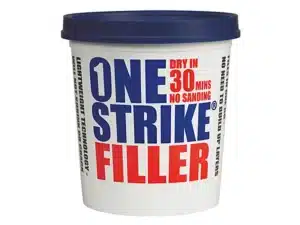
One Strike Filler is a lightweight, ready-to-use filler that cures quickly to provide a smooth finish in a single application. It eliminates the need for multiple layers, making it ideal for both indoor and outdoor use. Its formulation allows for easy sanding and painting, ensuring a seamless blend with surrounding surfaces.
Benefits of Using One Strike Filler
The advantages of One Strike Filler are extensive, with speed and efficiency being at the forefront. Its ability to set rapidly means you can complete your projects faster, while the minimal shrinkage ensures your fills maintain a level surface. Furthermore, it adheres well to various materials, proving to be versatile for different applications.
When you opt for One Strike Filler, you’re not just investing in a product; you’re enhancing your workflow. Many users report a significant decrease in project completion time, as it eliminates the frustration of waiting for multiple layers to dry. Its adaptability to wood, plaster, and even masonry allows for diverse usage, ensuring you have a reliable solution at hand. Additionally, the smooth finish it provides means less time spent on sanding and touch-ups, leading to a polished end result that demonstrates your high standards of workmanship.
Surface Preparation
 Surface Preparation
Effective surface preparation is the cornerstone of successful application. Start by ensuring that the area is appropriately primed to allow One Strike Filler to bond seamlessly, ensuring a long-lasting finish without imperfections.
Cleaning the Area
Before applying the filler, clean the area meticulously. Remove dust, grease, and loose debris to achieve a solid foundation. Using a suitable cleaner or a damp cloth can significantly improve adhesion, ensuring that your work is built on a pristine surface.
Assessing the Damage
Carefully inspect the area needing repair. Determine the extent of the damage, whether it be small dents, cracks, or larger holes. This evaluation will guide you on how much filler is needed and whether additional steps, such as reinforcing or stabilising the surface, are necessary for a flawless finish.
When assessing damage, look for varying sizes and depths of defects. Small cracks may just require a light application of filler, while deeper holes might necessitate a more substantial amount. Take note of any underlying issues that could compromise the repair, such as moisture infiltration or structural concerns, to ensure you address all underlying problems before proceeding with the filler application.
Application Techniques
To achieve flawless results with One Strike Filler, employing the right application techniques is crucial. Start by ensuring your surface is clean and free from dust, as this ensures better adhesion. Applying the filler in thin layers works best, as it allows for quicker drying and a smoother finish. Use steady pressure when smoothing the surface to prevent imperfections.
Tools Needed
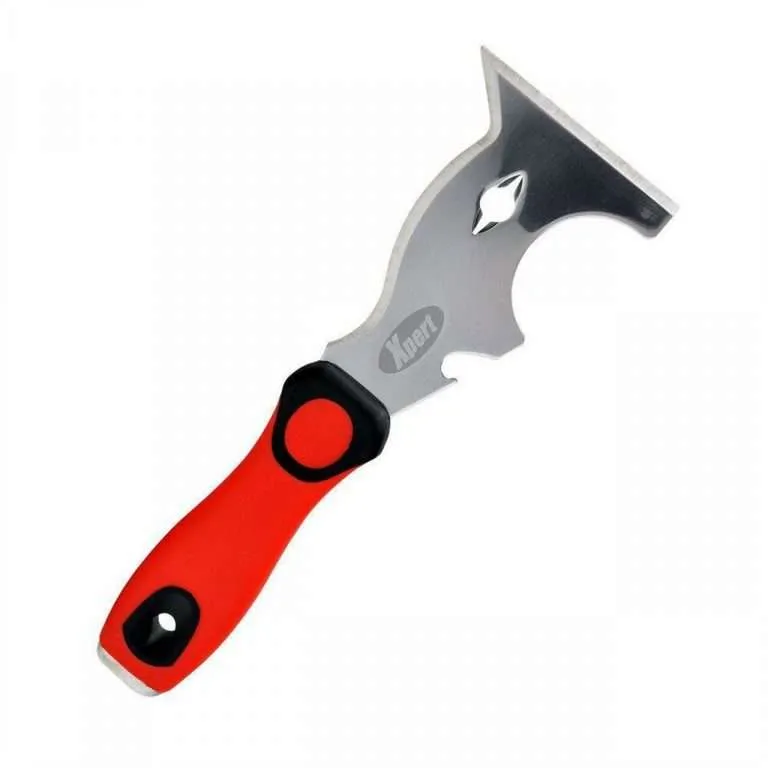
Having the right tools at hand can significantly impact your application experience. Essential tools include a flexible filling knife or spatula, a mixing tray, and a sanding block. A damp cloth is also helpful for quick clean-ups and ensuring a pristine finish.
Step-by-Step Application Process
 Step-by-Step Application Process
For the best results, follow a systematic approach when applying One Strike Filler. Start by mixing the filler until it reaches a smooth consistency. Next, use your filling knife to apply a thin layer over the desired area, pressing firmly to fill any gaps or holes. Allow the filler to dry fully before sanding it down to a smooth finish.
Step-by-Step Application Process Details
| Step | Description |
| 1 | Prepare the surface by cleaning and sanding any rough edges. |
| 2 | Mix the One Strike Filler in a clean tray until smooth. |
| 3 | Apply a thin layer using a flexible filling knife, ensuring even coverage. |
| 4 | Allow the filler to dry completely; this usually takes around 30 minutes. |
| 5 | Once dry, sand with a block until you achieve a perfectly smooth surface. |
Common Mistakes to Avoid
Avoiding common pitfalls ensures a smooth application process and outstanding results. An all-too-frequent error is applying too much filler in one go, which can lead to unsightly bulges and uneven surfaces. Instead, focus on layering gradually to build up the desired effect, allowing each application to blend seamlessly.
Overloading the Filler
Applying an excessive amount of filler in one application can cause it to crack or shrink as it dries. This not only results in an uneven finish but also demands additional time and effort to rectify, leading to frustration during your project.
Inadequate Drying Time
Rushing the drying process often leads to compromised results. Not allowing sufficient time for the filler to cure can result in surface imperfections and poor adhesion, which can undermine the final outcome of your work.
Always allocate enough drying time based on the manufacturer’s instructions, usually ranging from one to four hours depending on the thickness of application and environmental conditions. Be attentive to your workspace; factors such as humidity and temperature can significantly affect drying times. If you apply a second coat too early, it may disturb the first layer, leading to further imperfections. By exercising patience and checking the dryness before applying subsequent layers, you’ll achieve a flawless finish that stands the test of time.
Finishing Touches
It’s the final details that elevate your work from good to exceptional. After applying One Strike Filler, you’ll want to ensure the surface not only looks perfect but is also ready for the next stages of your project. Taking the time to meticulously sand and smooth the filled areas, followed by an appropriate painting and sealing process, will greatly enhance durability and appearance.
Sanding and Smoothing
Once the filler has dried completely, begin sanding with a fine-grade sandpaper to achieve a smooth, even surface. Be methodical, focusing on high spots while ensuring you blend edges seamlessly. A sanding block can be beneficial for larger areas, while a hand sander gives you greater control for intricate spots. Keep dust at bay by periodically wiping the surface with a damp cloth.
Painting and Sealing
After sanding, the next step is to paint and seal your work. Applying a primer is advisable before the paint, especially if you’re working on a porous surface. This guarantees better adhesion and a professional finish. Choose a paint that matches your intended aesthetic and is suitable for the surface type, whether it’s interior or exterior.
Opt for a high-quality paint that offers good coverage. Depending on the colour and finish, you may need two or more coats for a uniform look. Ensure each coat dries fully before applying the next, following the manufacturer’s advice on drying times. A final clear sealant can add extra protection against wear and moisture, prolonging the life of your finish while keeping it looking fresh and vibrant.
Troubleshooting
In the pursuit of perfection, you may encounter obstacles that hinder the effectiveness of One Strike Filler. It’s important to identify these issues early on to ensure a successful finish. Common problems can include cracking, a rough surface, or poor adhesion. Recognising these signs quickly allows you to address them before they escalate, ultimately preserving the quality of your work.
Identifying Issues with Application
When applying One Strike Filler, watch for signs of uneven application or areas where the filler does not adhere properly. If you notice bubbling or flaking after drying, these could indicate that the surface was not adequately prepared or that excessive filler was applied. Pay close attention to these details, as early detection can save you time and effort in correcting errors.
 Solutions for Flawless Results
 Solutions for Flawless Results
To resolve application issues effectively, focus on thorough surface preparation and appropriate application techniques. Ensure surfaces are completely clean, dry, and free from contaminants. If you experience adhesion problems, lightly sand the affected area before reapplying. For cracks, using a finer filler over the dried goods may provide the perfect remedy, allowing for seamless integration and a smooth finish.
Reassessing your workspace setup can also make a significant difference. Ensure your ambient temperature is within the recommended range for application and drying, typically between 10°C and 30°C. Using the right tools, such as a flexible knife for smoothing out filler, may further enhance your final results. Additionally, applying thinner layers and allowing ample drying time between coats can prevent issues such as cracking and allow for a more robust finish. With these strategies, you will cultivate a flawless application process with One Strike Filler.
To wrap up
Summing up, achieving impeccable results with One Strike Filler hinges on meticulous preparation and application. Ensure your surface is clean and dry before starting, and apply the filler in a smooth, even manner for optimal adhesion. Use a damp tool to finish and minimise sanding, enabling a pristine surface ready for further treatment. By following these guidelines, you will enhance both the efficiency and effectiveness of your filling process, leading to professional-quality outcomes with ease.
FAQ
Q: What surface preparation is necessary before applying One Strike Filler?
A: For optimal results, ensure that the surface is clean, dry, and free from dust, grease, or loose material. Sand any rough areas and fill in larger holes or cracks before applying the filler to achieve a smooth finish.
Q: How can I ensure a smooth application of One Strike Filler?
A: Use a suitable filling knife or trowel for application, and apply the filler evenly across the surface. It’s beneficial to work in thin layers, as this promotes a smoother finish and reduces the chances of shrinkage or cracking.
Q: Are there specific drying times I should adhere to when using One Strike Filler?
A: Typically, One Strike Filler dries within a few hours under normal conditions. However, drying times can vary depending on the thickness of the application and ambient humidity levels. It is advisable to allow at least 24 hours before sanding or painting unless specified otherwise on the product instructions.
Q: Can One Strike Filler be used on both indoor and outdoor surfaces?
A: Yes, One Strike Filler is versatile and can be used on both indoor and outdoor surfaces. However, for outdoor applications, it is recommended to ensure the filler is painted over or sealed properly to protect it from weather conditions.
Q: What tools are recommended for the application of One Strike Filler?
A: Suitable tools for application include a filling knife, trowel, or even a putty knife. Accessories such as sandpaper for smoothing and a damp cloth for cleanup after application can also be beneficial.