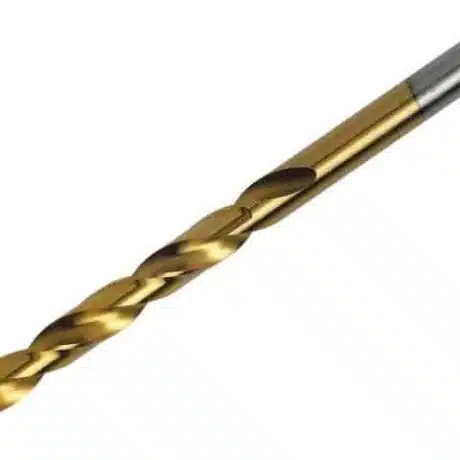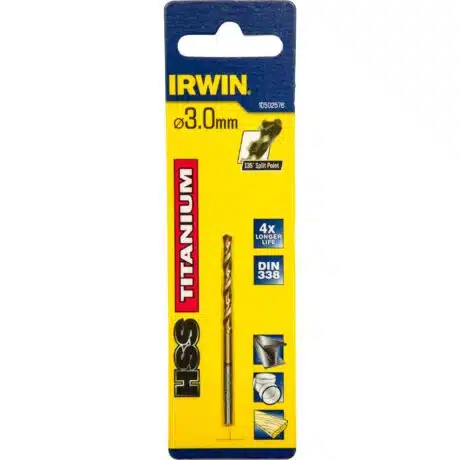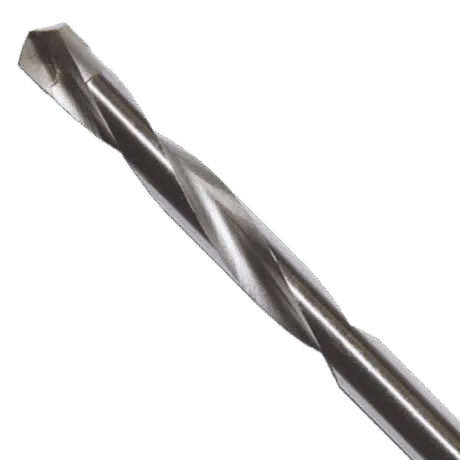
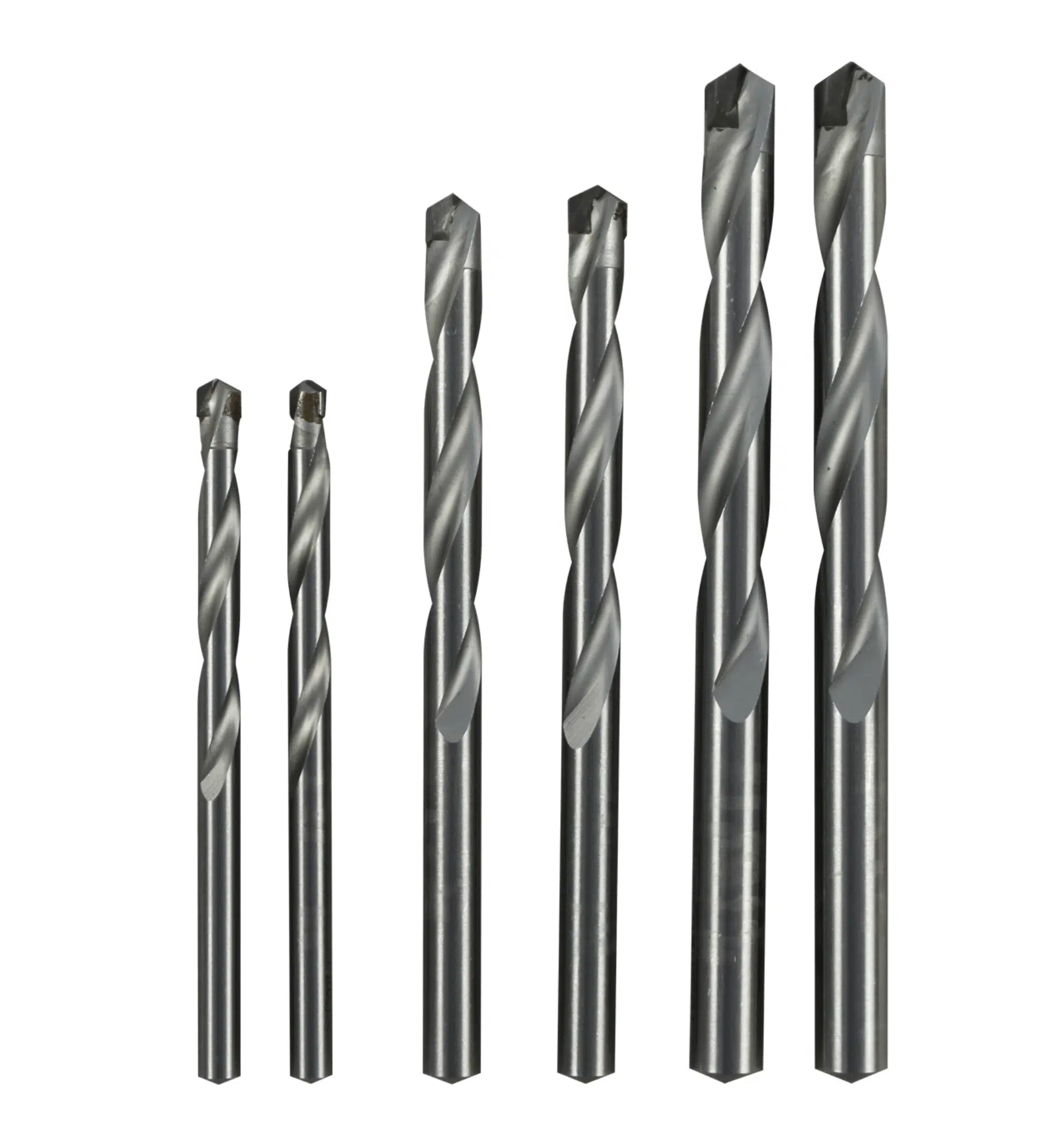
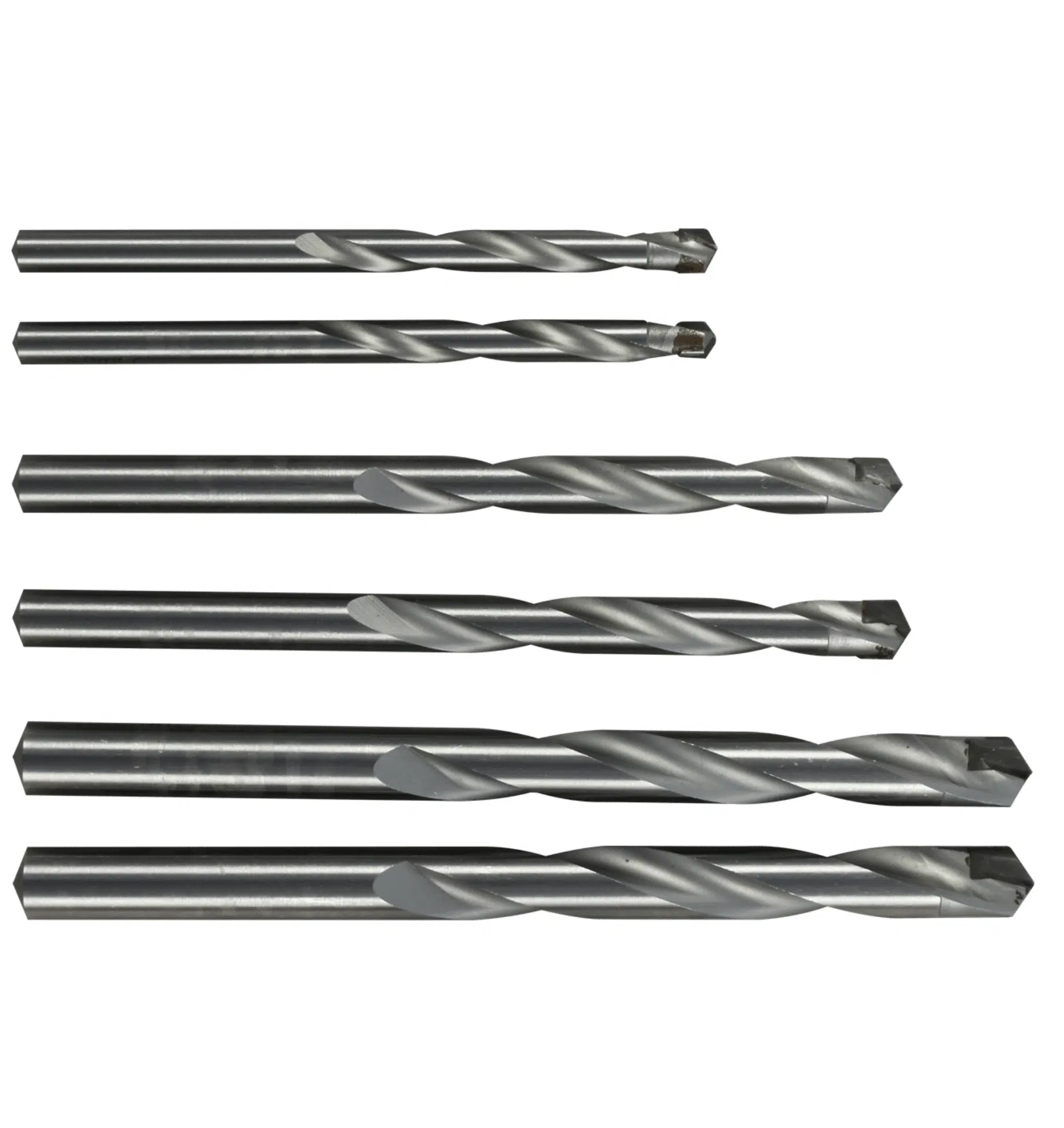
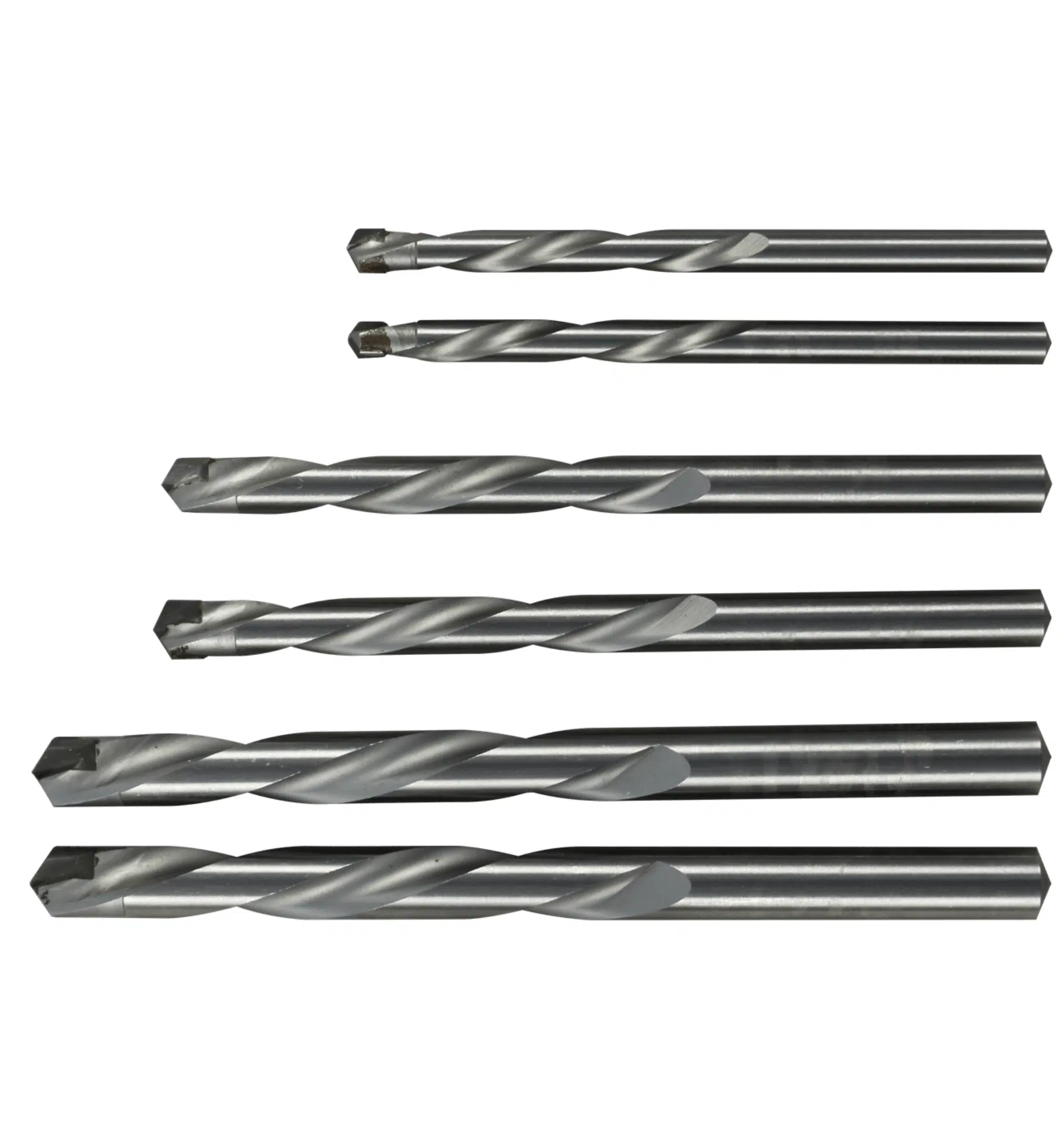

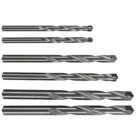
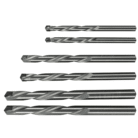

Abracs Multi-Purpose TCT Hardplate Drill Bits | Drill Steel, Hardplate, Masonry & Tiles
- True multi‑purpose performance – drills steel, stainless, hardplate, masonry, brick, tiles and plastics with a single bit (within manufacturer guidance).
- TCT (tungsten carbide tipped) cutting edge – hard‑wearing tip geometry delivers high wear resistance and long life in tough materials.
- Reduced bit changes on site – move between steel sections, fixings into masonry and mixed construction without constantly swapping bits.
- Clean, accurate holes – optimised cutting edge and flute design help minimise wandering, breakout and burrs.
- Fits standard drills – straight shank compatible with most corded and cordless drills with three‑jaw chucks.
Free shipping on orders over £60
- No-Risk Money Back Guarantee!
- No Hassle Refunds
- Secure Payments
Abracs Multi‑Purpose TCT Hardplate Drill Bits – High-Performance Drilling in Steel, Masonry & Tough Materials
Abracs Multi‑Purpose TCT Hardplate Drill Bits are professional‑grade tungsten carbide tipped drill bits engineered for fast, clean drilling in a wide range of hard and abrasive materials. Designed to tackle hardplate, stainless steel, mild steel, masonry, tiles and plastics, they are ideal for tradespeople who want one reliable bit that can handle multiple substrates on site.
Abracs Multi‑Purpose TCT Hardplate Drill Bits are designed for professionals who regularly encounter a mix of substrates on the same job – from steel and stainless trunking to brickwork, block, tiles and plastic trunking. Instead of carrying separate metal, masonry and tile bits, these multi‑purpose TCT bits provide a versatile, trade‑ready solution in one product range. These abracs sds+ drill bit features enhance the functionality of your toolkit, allowing for effortless transitions between different materials. With their durable construction, they ensure precision and efficiency, making them an essential choice for any tradesperson. Whether you’re tackling renovations or new installations, these bits will meet the demands of a variety of projects.
Each bit features a tough tungsten carbide tip with a specialised grind designed to cope with hardplate and abrasion‑resistant materials, as well as more conventional construction substrates. When used correctly, the tip geometry allows the bit to bite quickly and drill cleanly in materials such as:
- Mild steel and sheet steel
- Hardplate and abrasion‑resistant plate (within recommended thickness – see Abracs data)
- Stainless steel (using correct speed and coolant where advised)
- Cast iron
- Masonry, brick and lightweight block
- Ceramic tiles and some natural stones (rotary‑only; hammer off)
- Plastics and composite boards
The robust steel body and optimised flute design ensure efficient chip and dust evacuation, helping to keep the cutting edge cooler and maintain drilling speed. In metal, correct use at moderate speeds with cutting fluid can significantly improve tool life, particularly when drilling stainless steel or hardplate. In masonry and brick, the TCT tip offers reliable performance for plug and fixing holes in typical site conditions.
Abracs Multi‑Purpose TCT Hardplate Drill Bits are ideal for electricians, plumbers, heating engineers, shopfitters, fabricators and general builders who frequently work on mixed construction – for example, fixing into steel lintels through brickwork, drilling through metal trunking into blockwork, or forming fixings through tiles into masonry.
As with all drilling operations, correct technique, speed and cooling are essential to maximise life and achieve clean results. Always refer to the latest Abracs technical data sheet for recommended applications, parameters and any limitations (such as maximum material thickness for hardplate or stainless steel).
Typical Use Cases
- Drilling fixing holes through steel trunking into masonry with one bit.
- Forming holes in hardplate and abrasion‑resistant plate for guards, brackets and wear liners (within specified thickness).
- Drilling stainless steel enclosures and cable trunking for glands, fixings and cable entries.
- Fixing through ceramic tiles into brick or blockwork for bathroom accessories and kitchen fittings (rotary‑only on tiles).
- General multi‑material installation work on refurbishment and M&E projects.
Drilling & Best Practice Tips
- Identify the material: Confirm the substrate (steel, stainless, hardplate, masonry, tile, plastic). Different materials require different speeds and drilling modes.
- Drill mode selection:
- Metals & tiles: Use rotary‑only (hammer off).
- Masonry & brick: Rotary hammer (impact) can be used if Abracs permits for that bit pattern – otherwise rotary‑only.
- Speed control: For steel, stainless and hardplate, use a slower speed with steady pressure. Too fast generates excessive heat and shortens bit life.
- Use cutting fluid on metal: On steels – especially stainless and hardplate – use suitable cutting oil or coolant to reduce heat and extend tool life.
- Pilot and centre punching: For accurate holes in metal, mark with a centre punch and consider a pilot hole for larger diameters.
- Tiles & brittle materials: On tiles, start at low speed with light pressure, hammer off. Do not force; let the TCT tip grind through the glaze.
- Clear chips regularly: In deeper holes, withdraw the bit periodically to clear swarf or dust from the flutes to maintain speed and reduce heat.
- Clamping & support: Always clamp steel plate and support brittle materials to prevent movement, snatching or cracking.
Always wear appropriate PPE – safety glasses, gloves, hearing protection and dust mask where required. Follow your drill manufacturer’s safety instructions and Abracs technical guidance for these multi‑purpose TCT hardplate drill bits.
Abracs Multi-Purpose TCT Hardplate Drill Bits Features
- TCT (tungsten carbide tipped) head – specially formulated carbide for hard, abrasive and multi‑material use.
- Multi‑purpose design – suitable for steel, stainless, hardplate, masonry, brick, tile and plastics when used correctly.
- Precision ground cutting edges – help reduce wander and burrs for clean, accurate holes.
- Robust steel body – resists bending and breakage under normal site conditions.
- Optimised flute design – aids swarf and dust removal, improving cutting performance and reducing heat build‑up.
- Straight shank – compatible with most three‑jaw drill chucks on corded and cordless drills.
- Range of diameters – available in popular sizes for plug, fixing and clearance holes (check product listing for full range).
- Trade‑quality manufacture – part of the Abracs professional drilling range used by construction and M&E trades.
Abracs Multi-Purpose TCT Hardplate Drill Bits Technical Information
- Type: Multi‑purpose TCT hardplate drill bits for mixed‑material drilling.
- Tip material: Tungsten carbide (TCT) cutting tip designed for hard and abrasive materials.
- Body material: High‑quality alloy steel shank and flute.
- Shank type: Straight round shank for three‑jaw chucks (corded and cordless drills).
- Suitable substrates (typical): Mild steel, stainless steel (using recommended parameters), hardplate, cast iron, masonry, brick, some natural stone, ceramic tiles and plastics – always confirm with the Abracs technical data sheet.
- Drill modes:
- Metals, tiles, plastics: Rotary‑only.
- Masonry & brick: Rotary or rotary hammer (if permitted for the specific bit pattern – check Abracs guidance).
- Speed & feed: Use reduced speed and cutting fluid on steel, stainless and hardplate; moderate speed on masonry; follow Abracs recommendations for each material.
- Standards & quality: Manufactured under Abracs’ quality management systems; for any specific EN / ISO test references or performance data, refer to the latest Abracs documentation.
For safety‑critical applications (e.g. drilling in structural steel, safety guard fixings or certified enclosures), always ensure hole sizes, tolerances and drilling methods comply with designer and manufacturer specifications.
Frequently Asked Questions – Abracs Multi‑Purpose TCT Hardplate Drill Bits
1. What makes these bits “multi‑purpose” compared with standard drill bits?
Standard drill bits are often optimised for one material – for example, HSS for metal or masonry bits for brick and concrete. Abracs Multi‑Purpose TCT Hardplate Drill Bits use a special TCT tip and geometry that allows them to drill a range of materials – including metals, masonry and tiles – with a single bit (within recommended parameters). This reduces the number of different bits you need to carry and swap on site.
2. Can I drill stainless steel and hardplate with these bits?
Yes, these bits are specifically designed to tackle stainless steel and hardplate within the limits set out by Abracs. To get the best performance and life, you must use slow speeds, steady pressure and suitable cutting fluid. For thick plate or highly alloyed steels, always check the technical data sheet and consider pilot drilling or multiple passes where appropriate.
3. Can I use hammer action with Abracs Multi‑Purpose TCT Hardplate Drill Bits?
Hammer action is generally for masonry and concrete only. On metals, tiles and plastics you must use rotary‑only mode (hammer off). For masonry and brick, some multi‑purpose TCT designs can be used with rotary hammer, but you should check Abracs’ guidance for this specific bit range. If in doubt, use rotary‑only to avoid damaging the tip.
4. Are these bits suitable for use in cordless drills?
Yes – the straight shank is compatible with most cordless combi drills and drill drivers fitted with a three‑jaw chuck. When drilling steel, stainless or hardplate, choose a cordless drill with adequate torque, use low speed/high torque settings and ensure the battery is well charged. For heavy, repetitive metal drilling, a corded drill or rotary drill with more power may be preferable.
5. Do I still need separate masonry or tile bits if I use multi‑purpose TCT bits?
For many everyday tasks, Abracs Multi‑Purpose TCT Hardplate Drill Bits will handle both metal and light masonry/tile work effectively, reducing the need to switch bits. However, for very deep masonry holes, heavy concrete drilling or large quantities of tile work, a dedicated masonry or tile bit may still give better performance and life. Multi‑purpose bits are best seen as a flexible, do‑most‑jobs solution, not a replacement for all specialised tools in every scenario.
Abracs Multi-Purpose TCT Hardplate Drill Bits Common Uses / How to Use
Common Uses
- Mixed‑material installation work where fixings pass through steel, masonry and tiles.
- Drilling steel lintels behind brickwork for fixings and anchors.
- Forming holes in stainless or mild steel trunking and then into blockwork behind.
- General M&E and fabrication tasks requiring reliable drilling in hardplate and abrasion‑resistant steels.
- Refurbishment projects where the underlying substrate may vary between metal, masonry and composite materials.
How to Use – Step‑by‑Step Summary
- Identify substrate: Confirm whether you’re drilling metal, hardplate, masonry, tile or plastic.
- Set drill mode: Select rotary‑only for metals, tiles and plastics; rotary or rotary hammer (if permitted) for masonry.
- Mark and centre punch (for metal): Mark the hole position accurately and centre punch to help guide the bit.
- Apply cutting fluid (for steels): Use appropriate cutting oil on steel, stainless and hardplate to reduce heat.
- Drill at controlled speed: Start slowly, especially on metal and tiles, and maintain steady, moderate pressure.
- Clear swarf and dust: Withdraw the bit periodically to clear chips or dust, particularly in deeper holes.
- Finish and deburr: After drilling metal, remove any burrs or sharp edges before inserting fixings or glands.
| Size | 3.0mm, 4.0mm, 5.0mm, 6.0mm, 6.5mm, 7.0mm, 8.0mm, 10.0mm, 12.0mm, 5.5mm |
|---|
Shipping Policy
 At Always First 4 Fixings, we know that your projects rely on fast, dependable delivery. That’s why we offer flexible UK shipping options designed for tradespeople and businesses:
Fast Dispatch: Orders are processed and dispatched within 24 hours on working days.
Free shipping on all orders over £60 (UK mainland).
Express options available to keep your jobs moving.
Click & Collect: Order online and pick up at your convenience (if applicable).
Reliable Couriers: We use trusted UK carriers to ensure your fixings and fasteners arrive on time.
You’ll receive tracking details as soon as your order leaves our warehouse. Delivery times may vary depending on location and availability, but we work hard to get your order to you as quickly as possible.
At Always First 4 Fixings, we know that your projects rely on fast, dependable delivery. That’s why we offer flexible UK shipping options designed for tradespeople and businesses:
Fast Dispatch: Orders are processed and dispatched within 24 hours on working days.
Free shipping on all orders over £60 (UK mainland).
Express options available to keep your jobs moving.
Click & Collect: Order online and pick up at your convenience (if applicable).
Reliable Couriers: We use trusted UK carriers to ensure your fixings and fasteners arrive on time.
You’ll receive tracking details as soon as your order leaves our warehouse. Delivery times may vary depending on location and availability, but we work hard to get your order to you as quickly as possible.
Returns Policy
We want you to be fully confident when ordering from Always First 4 Fixings. If your supplies aren’t right for any reason, we make returns straightforward: Return unused and undamaged items in original packaging within 30 days. Don’t forget your proof of purchase or order confirmation. Once we receive your return, we’ll process your refund or exchange promptly. Certain items may have specific exclusions or conditions—please read our detailed returns policy or contact us if you have questions. Our team is always here to help ensure you get exactly what you need for the job.Related products
-

Irwin HSS Titanium Coated Drill Bits | Professional TiN-Coated HSS Bits for Metal, Wood & Plastic
£1.30£1.08 Incl. VATExcl. VAT -
Torx T30 Bits | T30 Star Drive Screwdriver Bits for Drill & Impact Drivers
£0.30£0.25 Incl. VATExcl. VAT -
Abracs PRO Zirconium Flap Disc | Professional Flap Discs for Steel & Stainless
£2.39£1.99 Incl. VATExcl. VAT -
Armeg Flat Wood Drill Bit | Trade-Quality Spade Bit for Timber & Sheet Materials
£1.63 £3.15Price range: £1.96£1.63 through £3.78£3.15 Incl. VATExcl. VAT -
ForgeMaster Hardplate Drill TCT – (discontinued)
£5.40£4.50 Incl. VATExcl. VAT